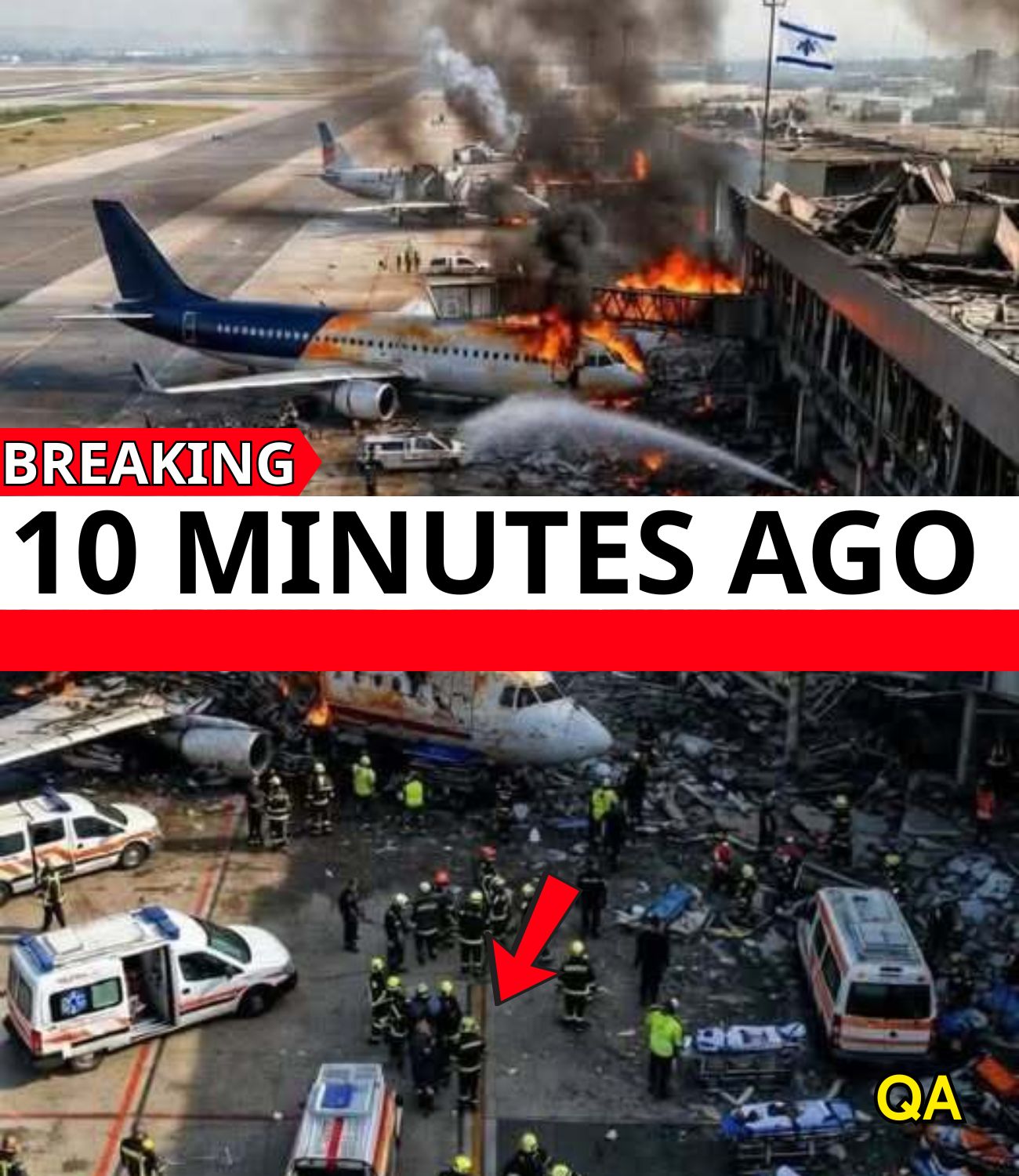
For years, Israeli military and intelligence officials warned that the day would come. The threat of a nuclear-armed Iran had dominated Israeli strategic thinking for more than two decades. Diplomatic efforts, covert operations, cyber campaigns, and targeted strikes had all been used to slow what Israel considered an existential danger. But on February 28, 2026, Israel and the United States moved beyond containment entirely. The result is the most significant Israeli military campaign since the country’s founding — a sustained, large-scale offensive against Iran that has now entered its fourth week, fundamentally altered the landscape of the Middle East, and left thousands of people dead across the region.
This is what Israel has done, why it did it, and what the consequences have been.
The groundwork for the February 28 operation had been laid months in advance. Following the twelve-day war of June 2025, in which Israeli and American strikes significantly degraded Iran’s nuclear program, Israeli intelligence continued to monitor Iranian efforts to rebuild missile capabilities and expand enriched uranium stockpiles. By late 2025, analysts within Israeli military intelligence concluded that Iran was moving toward a capability that would be very difficult to neutralize if left unchecked. The January 2026 popular uprising inside Iran, which was violently suppressed by Iranian security forces, provided an additional strategic opening — a moment when the Iranian government was internally weakened and its regional standing was at a low point.

Israeli Prime Minister Benjamin Netanyahu reportedly contacted President Trump on February 23, informing him of the upcoming location of a high-level meeting of Iranian leadership, including Supreme Leader Ali Khamenei. The intelligence was specific and actionable. Within days, the decision to proceed with a coordinated strike had been made at the highest levels of both governments.
On the night of February 28, Israel launched what military observers described as one of the most complex coordinated air operations in modern military history. Working alongside American forces conducting their own simultaneous strikes under the operation name Epic Fury, the Israeli Air Force struck dozens of targets across Iran in the opening hours, focusing heavily on the northern regions of the country. Israeli aircraft targeted missile storage facilities, air defense networks, command and control infrastructure, and senior leadership compounds.
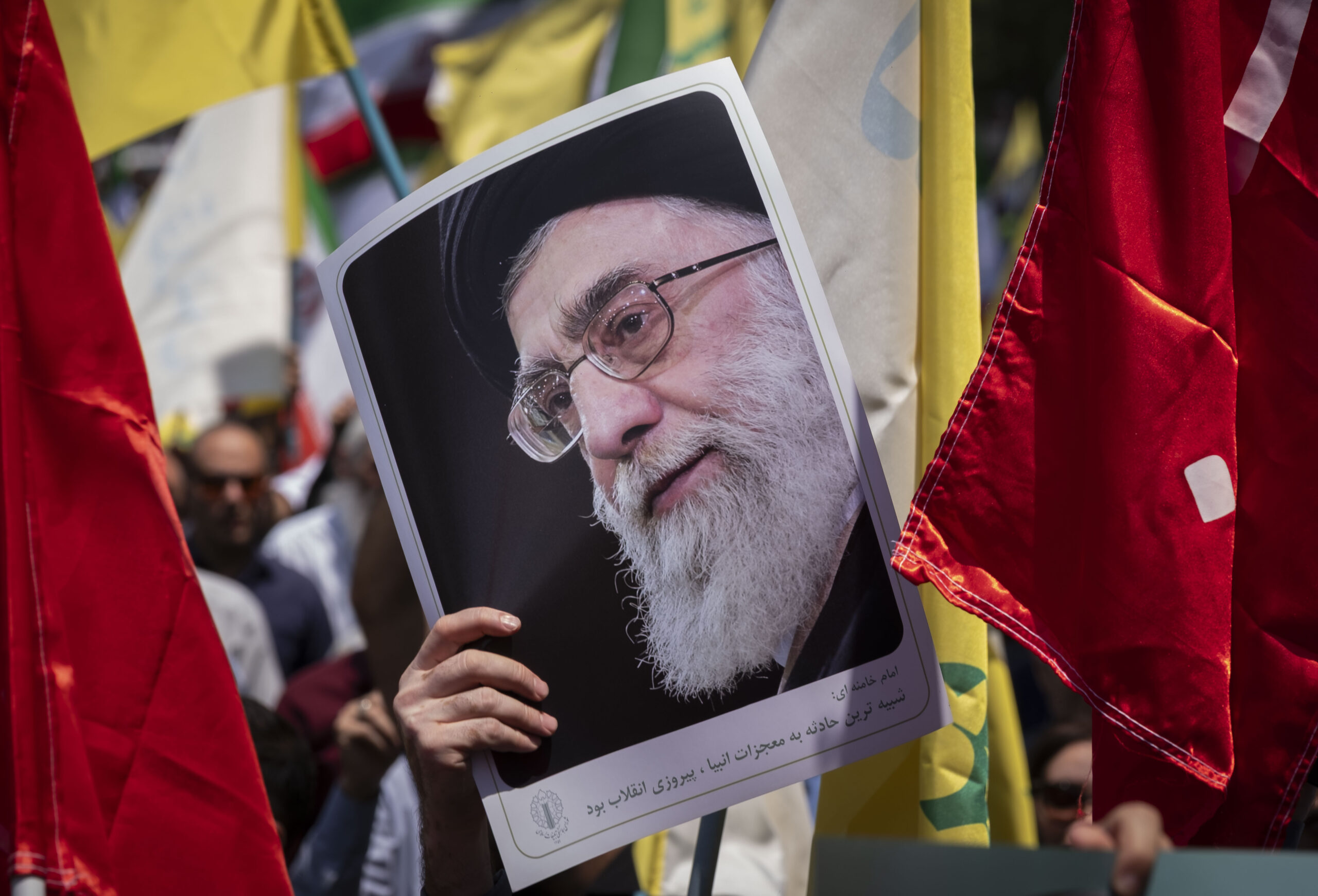
The most consequential strike of the opening wave was the one that killed Ali Khamenei. Israeli forces struck what they described as a central leadership compound in the heart of Tehran. Iranian state media confirmed Khamenei’s death on March 1. He had led Iran since 1989, succeeding Ayatollah Ruhollah Khomeini. His assassination sent shockwaves through Iran, through the region, and through every government that had been following the deteriorating situation with alarm. Iranian officials who survived the opening strikes expressed immediate fear, according to later reporting, that Israel intended to continue eliminating Iranian leaders until the Islamic Republic itself was dismantled.
In the days that followed, Israel continued intensive strike operations across Iran, targeting what it described as the infrastructure of the Iranian military threat. Oil storage depots in and around Tehran were struck, including the Aghdasieh warehouse in the northeast, the Tehran refinery in the south, and the Shahran depot in the west. Fires burned for days across the capital, sending toxic smoke across residential neighborhoods. Iran’s Deputy Health Minister warned that the burning of oil facilities would cause respiratory damage, soil contamination, and acid rain — effects he argued had nothing to do with military infrastructure. Israel stated that the fuel storage sites were being used to power military operations.
Israel’s strikes extended well beyond Tehran. Military records and independent conflict monitoring by the Armed Conflict Location and Event Data project documented nearly 2,300 distinct strike events across at least 29 of Iran’s 31 provinces. The breadth of the campaign was unprecedented. Among the most consequential strikes were those targeting Iran’s South Pars gasfield, one of the country’s most important energy assets, and facilities on Kharg Island, a vital terminal for Iranian oil exports. The strikes on energy infrastructure triggered a sharp escalation in global oil and gas prices and prompted fierce Iranian retaliation against energy facilities in neighboring Gulf states.
The strikes also extended to Iran’s nuclear program. Israel targeted the Natanz enrichment complex, one of the centerpieces of Iran’s nuclear infrastructure. Iranian state television framed Iran’s subsequent missile strikes on Dimona in southern Israel — near Israel’s own nuclear research facility — as a direct response to the Natanz attack. It was one of the most alarming moments of the entire conflict: two countries with nuclear-adjacent capabilities exchanging strikes near each other’s most sensitive nuclear sites.
Israel’s air campaign was accompanied by efforts to establish what the Israeli Air Force described as air superiority over Iran, language that signaled an intent not merely to strike specific targets but to degrade Iran’s ability to respond from the air. Israel stated publicly that it was working to “pave the path to Tehran,” a statement that drew widespread international concern and condemnation from governments that urged restraint.
Throughout the campaign, the human toll inside Iran has been devastating. The independent human rights organization HRANA documented more than 3,100 deaths in Iran by March 17, including more than 1,350 confirmed civilian fatalities. Among the most deadly individual incidents attributable to the campaign was a strike on a girls’ elementary school in the city of Minab in southeastern Iran, which killed more than 170 people, the overwhelming majority of them children. The World Health Organization confirmed strikes on at least 18 hospitals and health facilities across Iran. Iran’s health ministry reported more than 12,000 people wounded, with burns and crush injuries among the most common causes.
Israel acknowledged the strikes but disputed Iranian characterizations of civilian targeting. A United States Central Command spokesperson stated early in the conflict that the protection of civilians was of “utmost importance” and that American and Israeli forces had never and would never deliberately target civilians. Iranian officials rejected these assurances, with the deputy health minister insisting that the vast majority of those killed were civilians going about their daily lives.
Iran’s retaliatory strikes against Israel have been substantial, though Israeli air defenses have intercepted the majority of incoming threats. Iran launched nine separate salvoes of missiles at Israel over the course of the conflict. Israeli authorities reported that falling debris and cluster munitions from intercepted and unintercepted Iranian missiles caused widespread damage across central and northern Israel. The deadliest single strike on Israeli territory came on March 1, when nine civilians were killed in a residential neighborhood in Beit Shemesh. Missile fragments fell in the Old City of Jerusalem, causing damage near the Al-Aqsa Mosque compound. Later in the conflict, Iranian ballistic missiles broke through Israeli defenses to directly strike the cities of Dimona and Arad in the south, wounding more than 100 people in those two strikes alone.

On the diplomatic front, Israel’s operation has attracted a complex mixture of support and condemnation. The United States has been Israel’s most significant partner throughout the campaign, providing military assets, intelligence, and political cover. The United Kingdom authorized the use of British bases to support the strikes. But the international reaction has been far from uniformly supportive. The United Nations Secretary-General condemned the initial strikes. Multiple countries questioned their legality under international law. Spain refused to allow American forces to use its territory. Several nations urged both sides to pursue a ceasefire, though those calls have not produced results.
Within Israel, the war has been presented by Prime Minister Netanyahu and his government as a necessary and long-overdue response to an existential threat. Netanyahu has visited strike sites in southern Israel, met with wounded residents, and framed the conflict in terms of Israel’s survival and the elimination of the greatest danger it has faced in a generation. He has described the campaign as a historic opportunity and has warned that Iran’s regional allies — Hezbollah, Iranian-backed militias in Iraq, the Houthi movement in Yemen — are also within range of Israeli power.
The conflict with Lebanon has intensified sharply alongside the Iran campaign. Israel launched heavy airstrikes against Hezbollah infrastructure across Lebanon beginning in early March, issued mass evacuation orders that displaced nearly one million people, and has expanded ground operations in the south. The Lebanese death toll from Israeli strikes has exceeded 1,000 people, including more than 100 children.
As of March 23, 2026, the Israeli military campaign against Iran shows no sign of concluding. Israeli forces continue to strike targets across Iran. Iran continues to retaliate. The Strait of Hormuz remains closed to hostile shipping. Global energy markets remain in turmoil. And the question of what comes next — for Iran’s shattered leadership structure, for the region’s civilians, for the fragile network of international relationships that held the Middle East together for decades — remains entirely open.
What is not open to debate is the scale of what Israel has set in motion. In launching this campaign, Israel has crossed thresholds that had never been crossed before — striking a sitting head of state, sustaining offensive operations inside a major regional power for weeks, and reshaping the strategic reality of the Middle East in ways that no one can yet fully predict.
The consequences will unfold over years, not days. And the world is watching.