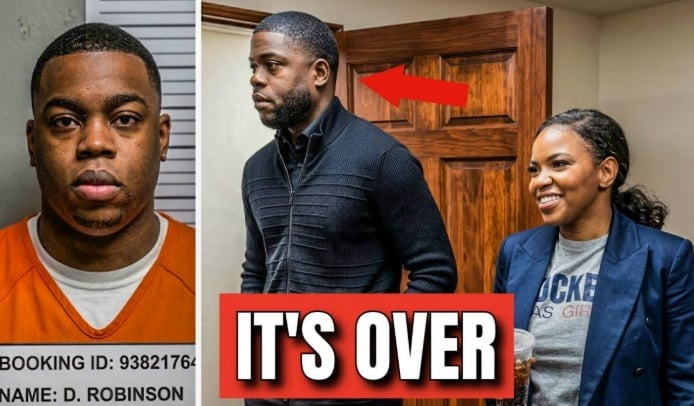
A developing controversy involving an individual who reportedly worked in close proximity to U.S. Representative Jasmine Crockett has sparked widespread discussion about security oversight, identity verification, and the risks associated with private protection services in high-profile environments.
What initially appeared to be a routine security arrangement has evolved into a complex case involving questions about identity, background checks, and how individuals gain access to sensitive roles.
A Familiar Presence at Public Events
For months, the individual—publicly known as “Mike King”—was seen at campaign stops, public gatherings, and official appearances alongside Representative Crockett. His role appeared consistent with that of a security professional, tasked with maintaining safety in crowded and often unpredictable environments.
Such roles are common in modern political operations. Public officials frequently rely on a combination of official law enforcement and private contractors to manage security logistics, particularly during campaign periods when schedules are fast-paced and events are frequent.
At the time, there were no visible signs that anything was unusual.
Identity Questions Surface
The situation began to change when reports surfaced suggesting that “Mike King” may not have been the individual’s real identity. According to publicly available records cited in multiple reports, the man has been identified as Diamon-Mazairre Robinson, a 39-year-old with a documented legal history.
These findings introduced a new layer of complexity. Records indicate that Robinson had prior legal issues in Dallas County, including theft-related cases dating back to between 2009 and 2012. While such records require full legal context and do not automatically define a person’s current conduct, they have raised questions about how background checks were conducted for someone in a position of trust.

The Use of Multiple Identities
Another key concern involves reports that the individual may have used multiple aliases. While there are legitimate reasons why someone might use different names in certain circumstances, the use of aliases in security-related roles raises serious concerns.
In positions that involve close proximity to public officials, transparency and verification are critical. The possibility that an individual could operate under different identities without detection has led observers to question whether proper verification systems were in place—or effectively applied.
Experts note that identity verification is a foundational element of modern security protocols. Any gaps in this process can create vulnerabilities, especially in environments where safety risks are already elevated.
Questions About Claimed Credentials
Further scrutiny has focused on allegations that Robinson may have presented himself as having connections to federal law enforcement, including claims of affiliation with the U.S. Capitol Police.
If verified, such claims would represent a serious misrepresentation, as federal law enforcement credentials carry a high level of authority and trust. However, it is important to emphasize that these claims are still subject to investigation, and no official findings have confirmed the full extent of any misrepresentation.
This aspect of the case has drawn particular attention because of the implications it carries. False claims of law enforcement affiliation can influence how individuals are perceived and trusted, potentially allowing them to bypass normal scrutiny.

Role of Private Security Services
The individual was also reportedly connected to a business operating under the name “Off Duty Police Services,” which presented itself as a provider of professional security personnel.
This connection has raised additional questions about how private security companies are vetted and regulated. In many cases, such companies operate within a complex framework of licensing, insurance requirements, and background checks. However, standards can vary depending on jurisdiction and the specific nature of the work.
As more organizations rely on private contractors for security, ensuring consistent standards becomes increasingly important. This case has highlighted the challenges that can arise when oversight mechanisms are unclear or inconsistently applied.
Incident Leading to Public Scrutiny
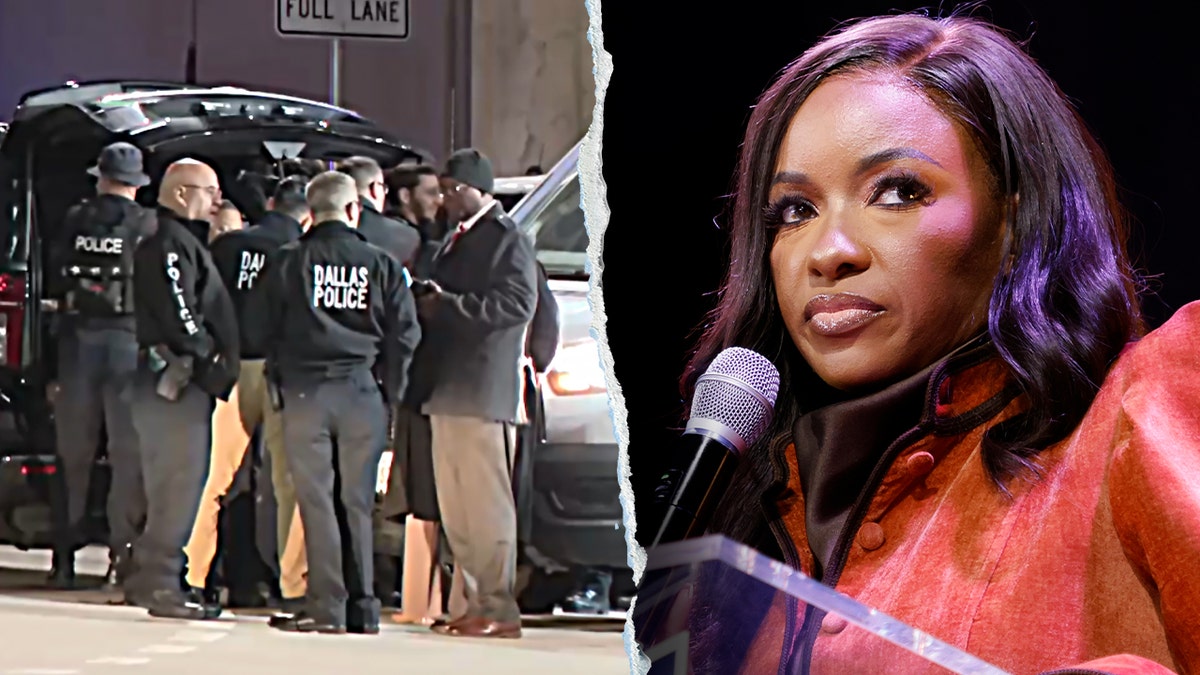
The situation escalated dramatically following a confrontation with law enforcement in Dallas that resulted in a SWAT response. During this incident, Robinson was killed.
Authorities have not yet released a full, verified account of the events leading up to the confrontation. As a result, many details remain unclear, including the precise sequence of actions and the factors that contributed to the escalation.
What is clear, however, is that the incident brought significant public attention to the individual’s identity and background—transforming what had been a relatively unnoticed role into a subject of national discussion.

Oversight and Security Gaps
The case has prompted broader questions about how individuals are vetted for roles involving close access to public officials.
Security experts emphasize that such roles typically require multiple layers of verification, including identity checks, background screenings, and credential validation. These processes are designed to minimize risk and ensure that only qualified individuals are granted access.
The key issue now under discussion is whether these procedures were followed in this case—and if not, why.
Some analysts suggest that the increasing reliance on private contractors can create gaps in accountability, particularly when multiple organizations are involved. Coordination between teams is essential, and any breakdown in communication can lead to vulnerabilities.
Limited Public Response
As the story has developed, there has been limited public comment from Representative Crockett’s office. In situations involving ongoing investigations, it is common for officials to refrain from making detailed statements until more information has been verified.
However, the lack of immediate clarification has contributed to public curiosity and speculation. In high-profile cases, timely communication is often seen as a key factor in maintaining public confidence.
Broader Implications for Security Practices
Beyond the specific details of this case, the situation highlights several broader issues:
- The importance of thorough identity verification
- The need for consistent background screening procedures
- The challenges of managing private security contractors
- The risks associated with unverified credentials
These issues are not unique to one individual or one organization. They reflect larger trends in how security is managed in modern public life.
As political campaigns and public events continue to grow in scale and complexity, the systems designed to protect them must evolve accordingly.
Conclusion
While many aspects of the case remain under investigation, it has already raised important questions about trust, accountability, and oversight in security operations.
The presence of an individual with a complex background in a role requiring close access to a public official underscores the importance of robust verification systems. It also highlights the need for clear standards and coordination among all parties involved in security planning.
As authorities continue to examine the facts, the findings may have lasting implications—not only for this case but for how security is managed in similar environments in the future.
For now, the situation remains a developing story, offering a reminder that even in highly visible settings, critical details can remain hidden until circumstances bring them to light.