A new documentary project associated with 50 Cent has reignited public discussion about the entertainment industry, particularly focusing on power dynamics, mentorship, and the experiences of young artists entering the spotlight.
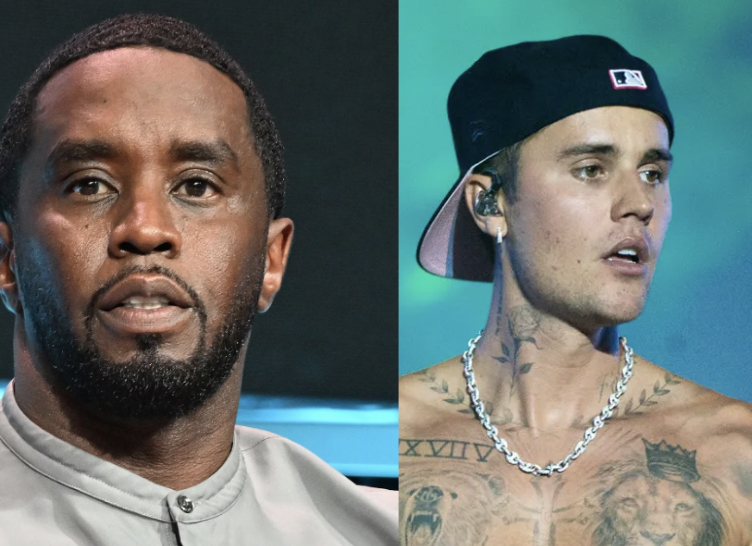
The conversation has drawn attention to two major figures: Sean Combs (widely known as Diddy) and global pop star Justin Bieber. While online narratives often amplify dramatic or unverified claims, a closer look at confirmed information reveals a more complex and nuanced picture.

The Documentary’s Focus: Power, Influence, and Industry Culture
Rather than presenting verified allegations of wrongdoing, the documentary appears to explore broader themes within the music industry—especially how influence and access can shape careers.
50 Cent has long been vocal about industry dynamics, often positioning himself as a critic of how power is exercised behind the scenes. His latest project reportedly revisits past moments, interviews, and public footage to examine how certain relationships and environments functioned.
Importantly, no official documentation or court findings have confirmed many of the serious claims circulating online in connection with this narrative.
Justin Bieber’s Early Career and Industry Exposure
Justin Bieber rose to fame at a young age, signing to a major label under the mentorship of Usher. As a teenager, he quickly became one of the most recognizable pop stars in the world.
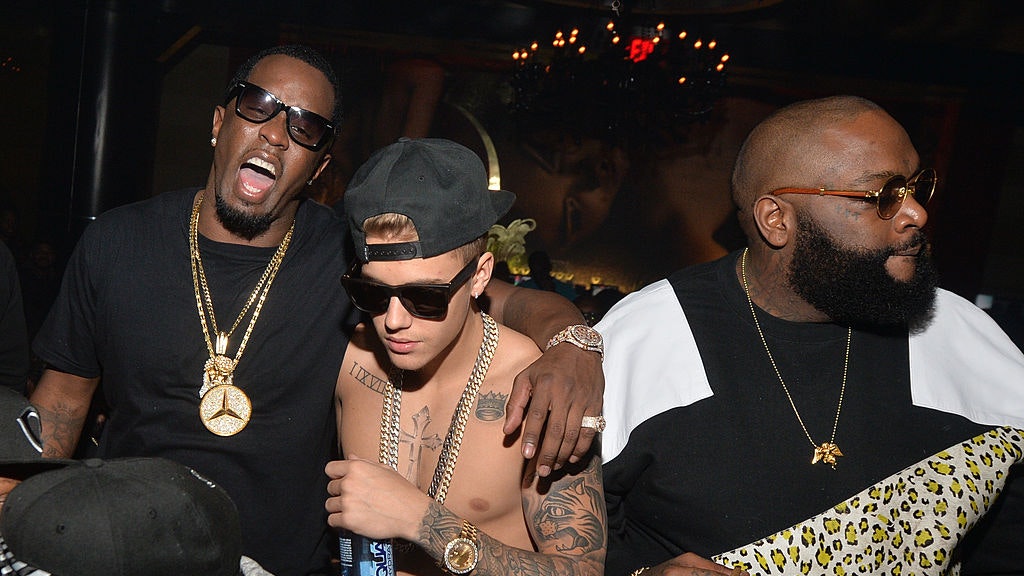
Archival footage from that period shows Bieber interacting with high-profile industry figures, including Sean Combs. Some of these clips have recently resurfaced online, prompting renewed debate about the environment young artists navigate.
However, it is critical to note:
-
Bieber has not publicly accused Sean Combs of criminal misconduct
-
No legal case has established wrongdoing involving Bieber in this context
-
Many viral interpretations are based on edited or selectively presented footage

Sean Combs and Ongoing Legal Scrutiny
Sean Combs has faced increased legal scrutiny in recent years, with multiple civil lawsuits and investigations reported by major media outlets.
These legal matters are being handled through the judicial system, where evidence is evaluated under strict standards. As of now:
-
Allegations remain subject to legal review
-
Not all claims have been proven in court
-
Public commentary should distinguish between accusations and verified findings
This legal context has contributed to renewed interest in past relationships and public appearances, though it does not validate unverified claims circulating online.
The Role of Viral Clips and Public Interpretation
A significant portion of the current discussion is driven by viral videos from earlier in Bieber’s career. These clips often show casual interactions, mentorship moments, or entertainment settings.
While some viewers interpret these clips as concerning, experts caution that:
-
Short excerpts can lack full context
-
Humor or performance elements may be misunderstood
-
Retrospective analysis can project modern concerns onto past behavior
This does not mean concerns should be dismissed—but rather that conclusions should be based on verified evidence rather than assumptions.

Industry Structure: Power and Responsibility
The broader issue raised by the documentary is not limited to individuals. It reflects long-standing questions about how the entertainment industry operates:
-
Young artists often rely on established figures for access and opportunity
-
Power imbalances can exist between newcomers and كبار executives
-
Oversight mechanisms have historically varied across the industry
These structural dynamics have been discussed by multiple artists over the years, including Bieber himself, who has spoken openly about the pressures of early fame and the challenges of growing up in the public eye.
Justin Bieber’s Own Reflections
In interviews, Justin Bieber has addressed the emotional and psychological impact of early success. He has described:
-
Feeling overwhelmed during his teenage years
-
Struggling with mental health and public scrutiny
-
Learning to establish boundaries later in life
These reflections provide important context but do not constitute allegations against specific individuals.
50 Cent’s Perspective and Public Reaction
50 Cent has built a reputation for commentary that blends entertainment with critique. His involvement in documentary storytelling often brings attention to controversial or overlooked topics.
Public reaction to the project has been divided:
-
Some viewers see it as a necessary conversation about industry accountability
-
Others view it as speculative or driven by long-standing rivalries
-
Many call for careful distinction between storytelling and verified reporting
The Importance of Responsible Reporting
As interest in this topic grows, maintaining accuracy is essential. Key verified points include:
-
Justin Bieber became famous as a teenager under major-label mentorship
-
Sean Combs is currently facing legal scrutiny in separate matters
-
No confirmed legal findings link Bieber to wrongdoing involving Combs
-
Viral claims about hidden evidence or recordings remain unverified
Avoiding misinformation helps ensure that discussions remain grounded in fact rather than speculation.
Conclusion
The renewed attention surrounding 50 Cent’s documentary highlights ongoing questions about fame, influence, and responsibility in the entertainment industry.
While viral narratives often focus on sensational claims, the verified reality is more measured. The story is less about hidden revelations and more about examining how systems of power operate—and how they affect young artists navigating global fame.
As legal processes continue and public conversations evolve, one principle remains clear: distinguishing fact from speculation is essential to understanding the full picture.