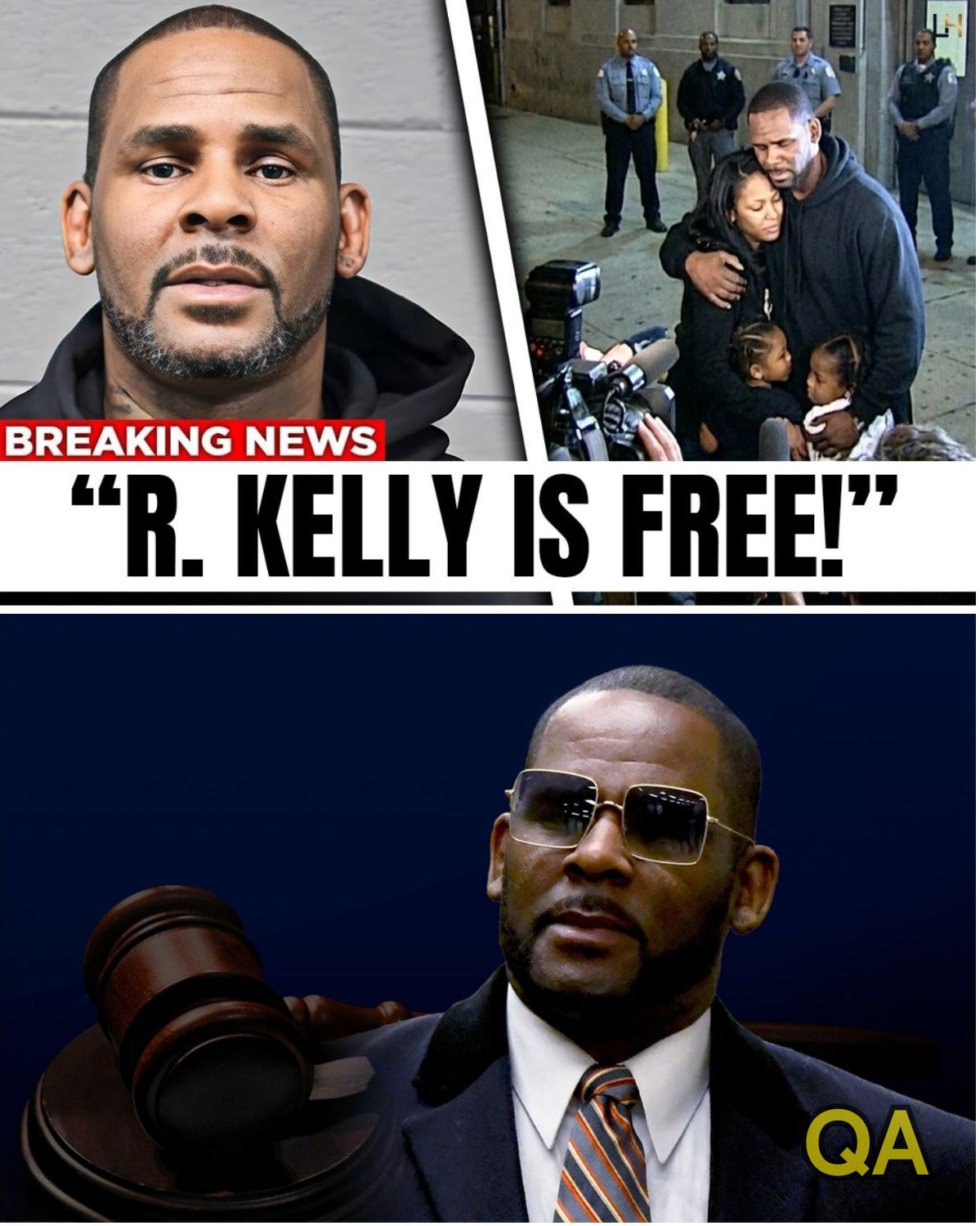
As of 2026, R. Kelly remains one of the most widely discussed figures in the intersection of entertainment, law, and public accountability. Once known globally for his influence on R&B music, his life today is defined not by his career achievements but by his incarceration and the legal outcomes that followed years of investigations and court proceedings.
In recent months, renewed online discussions have sparked confusion about his current status, with some claims suggesting he may have been released or that new evidence could change his case. However, verified information from court records, official statements, and reputable news sources confirms that these claims are not accurate.
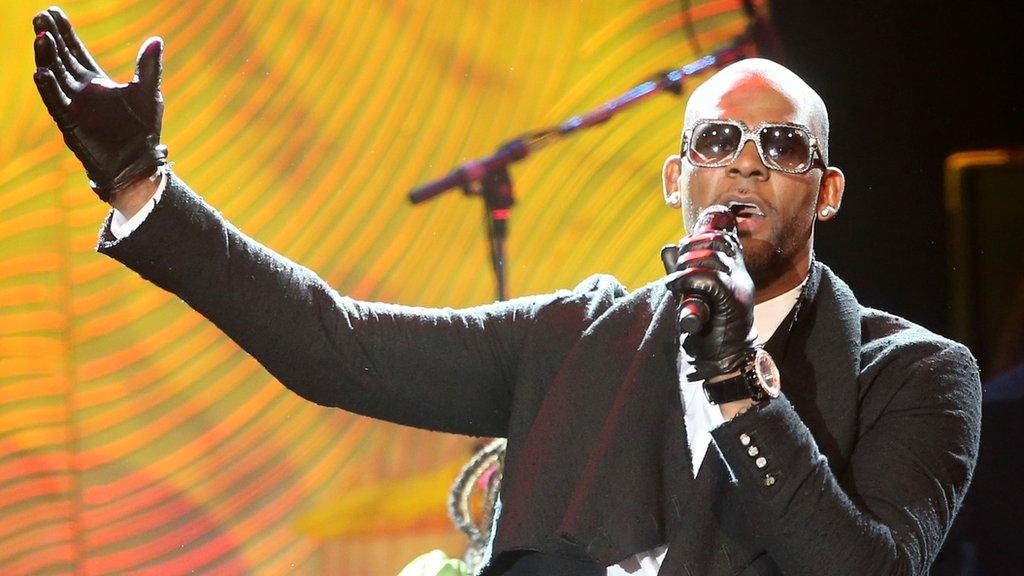
Current Life in Federal Custody
R. Kelly is currently serving a long-term sentence in a United States federal correctional facility. Life in such facilities follows a strict structure designed to maintain order, safety, and routine. Like other inmates, his daily schedule is controlled by institutional regulations rather than personal choice.
A typical day in federal custody involves scheduled meals, designated times for movement within the facility, and limited access to recreational or work programs. Communication with the outside world, including phone calls, mail, or visits, is closely monitored and subject to restrictions. These controls are standard across the federal prison system and apply to all inmates regardless of their public profile.
Reports indicate that at certain times, he has been placed under additional monitoring within the facility. This can include temporary placement in specialized housing units for administrative or safety reasons. Such measures are part of standard prison procedures and do not indicate any change in legal status or sentence length.
Living conditions in federal facilities are designed to meet regulatory standards, but they are highly controlled environments. Privacy is limited, daily routines are repetitive, and personal autonomy is significantly restricted. For individuals serving long sentences, this environment becomes a defining aspect of daily life.
Legal Status and Final Court Rulings
R. Kelly’s current incarceration stems from multiple federal convictions between 2021 and 2023. In a major case heard in New York, he was found guilty of racketeering and related offenses. Prosecutors argued that he used his status and influence over many years to exploit victims, and the court ultimately agreed with that assessment.
Following this conviction, he was sentenced to 30 years in prison. In a separate federal case in Chicago, he faced additional charges and was convicted again, resulting in another sentence that added to his overall time in custody.
After these rulings, his legal team pursued appeals through the U.S. court system. However, appellate courts upheld the original convictions. The Supreme Court of the United States later declined to hear the case, effectively leaving the previous decisions in place.
This sequence of rulings is significant because it means the legal process has reached a stage where major appeals have been exhausted. While attorneys can still pursue limited legal avenues, such efforts rarely result in substantial changes once higher courts have declined review.
As a result, legal experts widely consider his conviction and sentence to be final under current law.
Understanding Claims About “New Evidence”
One of the main reasons R. Kelly’s name has returned to public discussion is the circulation of claims about “new evidence.” However, it is important to clarify what this term actually refers to in this context.
Verified information shows that these claims are not based on newly filed legal documents or court-approved evidence. Instead, they are connected to renewed public discussions, including interviews, personal accounts, and media coverage related to earlier events.
In the legal system, evidence only affects a case if it is formally introduced in court and accepted through proper procedures. Public statements, even when widely shared, do not automatically change legal outcomes. As of now, no official court or legal authority has confirmed the existence of new evidence that would alter R. Kelly’s conviction or sentence.
This distinction is critical for understanding the difference between public conversation and legal reality.
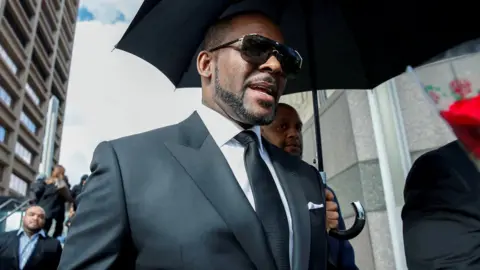
Life Away from Public Visibility
Before his legal troubles, R. Kelly lived a highly public life as a performer, producer, and celebrity. His career included chart-topping songs, international tours, and widespread media attention. Today, his circumstances are entirely different.
In federal custody, his ability to communicate with the public is extremely limited. Any information about his current condition typically comes through legal representatives or official reports. There are no public appearances, performances, or direct engagement with audiences.
This shift reflects the broader reality of incarceration, where individuals are largely removed from public life. The transition from global celebrity to restricted inmate status is significant and shapes how his life is experienced on a daily basis.
Continued Public and Media Interest
Despite his incarceration, public interest in R. Kelly remains high. His case has been the subject of extensive media coverage, documentaries, and analysis. One of the most notable examples is Surviving R. Kelly, which brought renewed attention to allegations and contributed to broader public discussions.
Media coverage has explored not only the legal aspects of his case but also its cultural implications. Topics such as accountability, the influence of fame, and the challenges of addressing allegations against high-profile figures have been widely discussed.
This ongoing attention reflects a broader societal interest in how justice systems handle complex and high-profile cases.
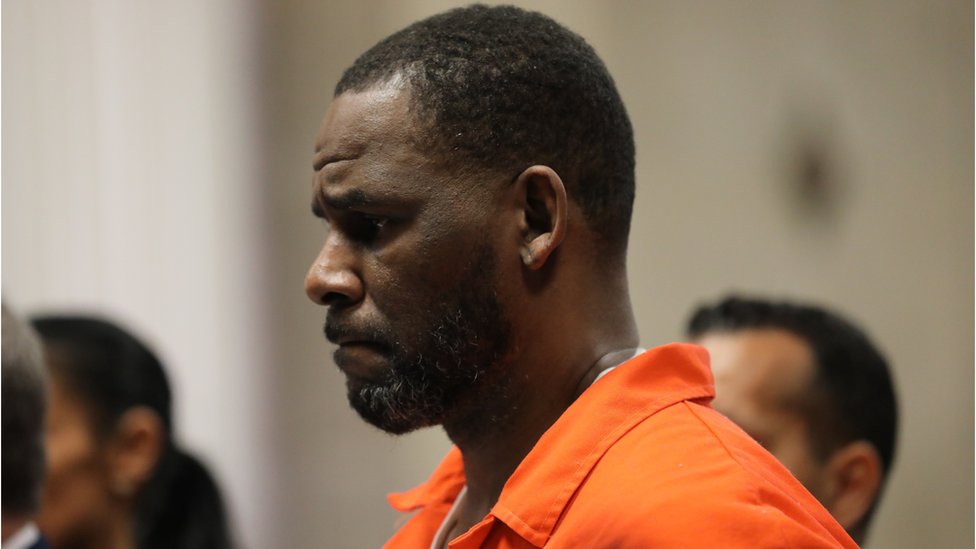
Broader Context and Cultural Impact
The R. Kelly case is often discussed in a wider context that goes beyond the individual. It has been referenced in conversations about power dynamics, accountability, and the role of institutions in responding to allegations.
Experts note that cases involving well-known public figures can be particularly complex due to factors such as influence, resources, and public perception. These elements can affect how allegations are reported, investigated, and ultimately resolved.
In this context, the case has contributed to increased awareness of how legal systems and society respond to serious accusations. It has also highlighted the importance of due process, evidence, and the role of courts in determining outcomes.
Daily Reality of Long-Term Incarceration
For individuals serving long sentences in federal prison, life is shaped by routine and long-term adjustment. Over time, inmates must adapt to an environment where:
-
Schedules are fixed and repetitive
-
Personal freedom is limited
-
Social interactions are controlled
-
Access to the outside world is restricted
These conditions can have significant psychological and emotional effects. While support systems and programs exist within the prison system, the overall experience remains highly structured and restrictive.
For R. Kelly, this environment represents a complete departure from the life he once lived. His current reality is defined by institutional rules rather than personal or professional pursuits.

Conclusion
As of 2026, R. Kelly remains in federal custody, serving a long-term sentence that has been upheld through multiple levels of the U.S. legal system. Verified information confirms that he has not been released and that no new legal evidence has changed his case.
His daily life is now governed by the structured environment of a federal correctional facility, far removed from the public stage that once defined his career. While discussions about his case continue in media and public discourse, the factual record remains consistent: his convictions stand, and his sentence continues.
Understanding this situation requires separating verified legal facts from online speculation. By focusing on credible sources and confirmed information, a clearer and more accurate picture emerges—one grounded in documented reality rather than rumor.