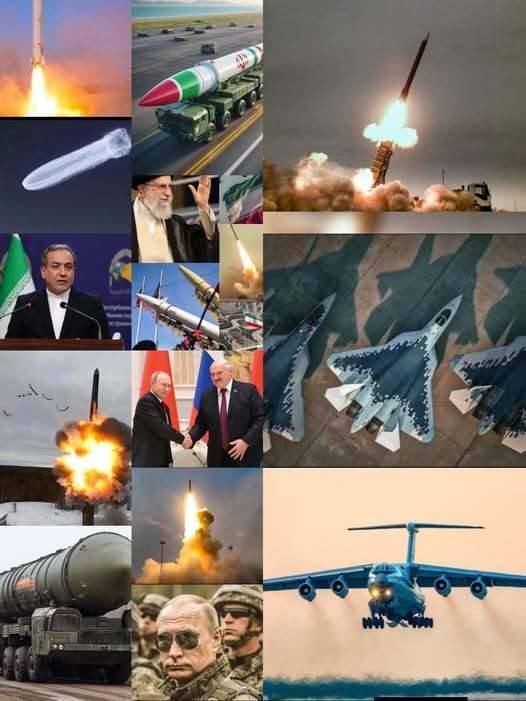
Tensions involving Iran and several countries in the Middle East periodically intensify due to long-standing geopolitical disputes, security concerns, and disagreements over nuclear policy. In recent years, developments involving Iran’s nuclear program, regional security alliances, and military activities have drawn international attention and prompted diplomatic responses from multiple governments.
Several countries in the Middle East and beyond maintain security partnerships, military bases, or diplomatic involvement connected to the situation. International media coverage and official government statements indicate that a range of nations—including the United States, Israel, and several Gulf states—are closely monitoring developments and adjusting security measures in response.
This article provides a verified overview of the countries most frequently mentioned in discussions about tensions involving Iran, based on information from reputable international news organizations and official government sources. It focuses on confirmed geopolitical dynamics and avoids unverified claims circulating on social media.
The Broader Context of Regional Security
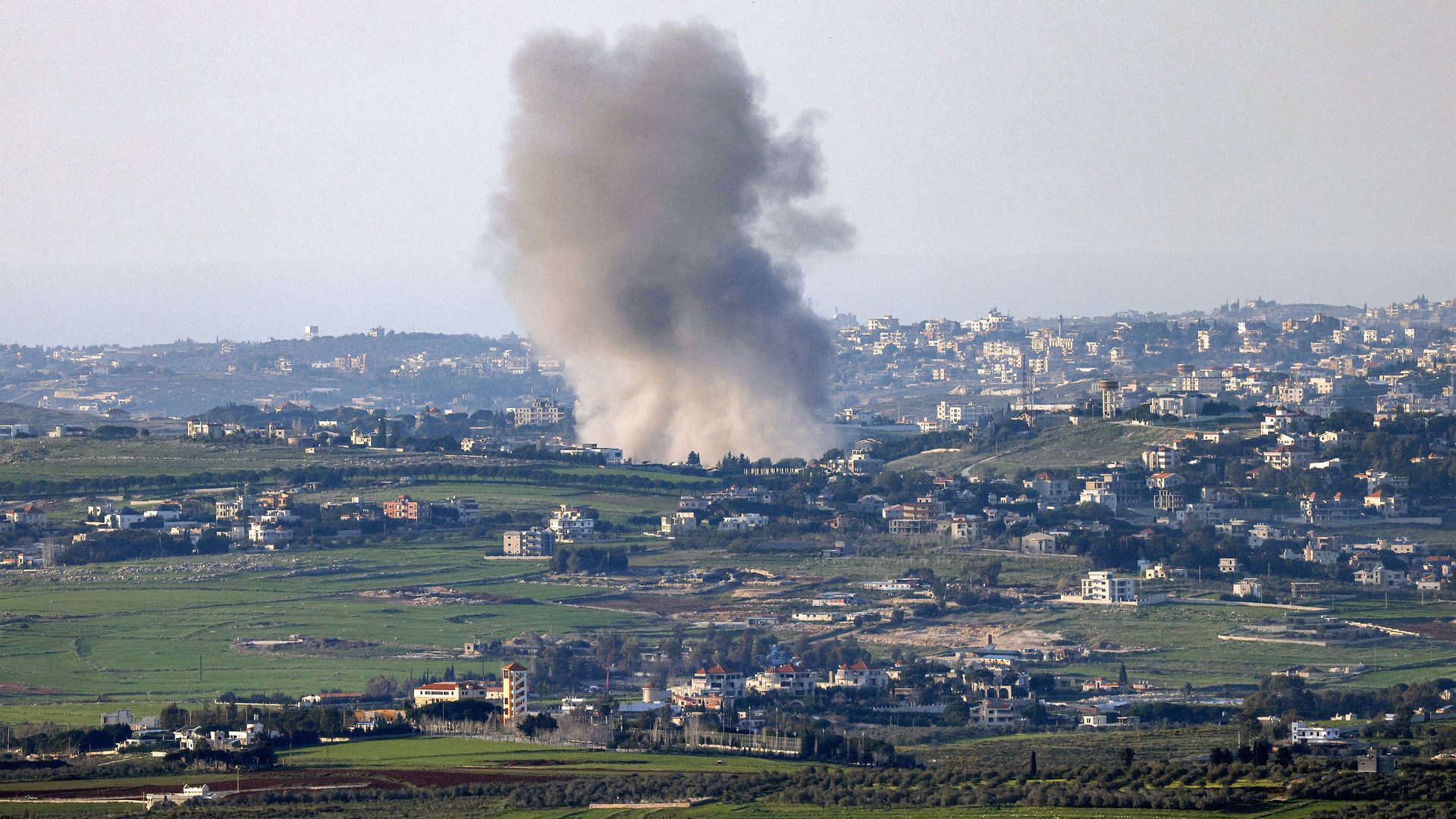
The Middle East remains one of the most strategically significant regions in global politics. It contains major energy resources, key shipping routes, and numerous international military partnerships. Because of these factors, developments involving Iran often attract global attention.
Iran has been at the center of diplomatic negotiations for many years due to its nuclear program. International discussions involving the United States, European powers, Russia, China, and regional countries have sought to establish frameworks that ensure nuclear activities remain peaceful while addressing regional security concerns.
Tensions also involve broader regional issues, including maritime security in the Persian Gulf, the activities of armed groups across the region, and differing alliances among Middle Eastern states.
When diplomatic negotiations stall or regional incidents occur, governments often increase military readiness and issue security advisories to their citizens.
The United States
The United States has maintained a military presence in the Middle East for decades through defense partnerships with several countries. U.S. forces operate from bases across the region that support air operations, naval missions, and coalition coordination.
American policy toward Iran has historically combined diplomatic engagement with economic sanctions and security cooperation with regional allies. U.S. officials have frequently stated that their primary objectives include preventing nuclear proliferation, ensuring freedom of navigation in international waters, and supporting regional stability.
Several U.S. embassies and diplomatic missions in the Middle East periodically issue travel advisories during periods of heightened tension. These advisories are designed to inform citizens about potential risks and encourage them to remain aware of local security updates.
Israel
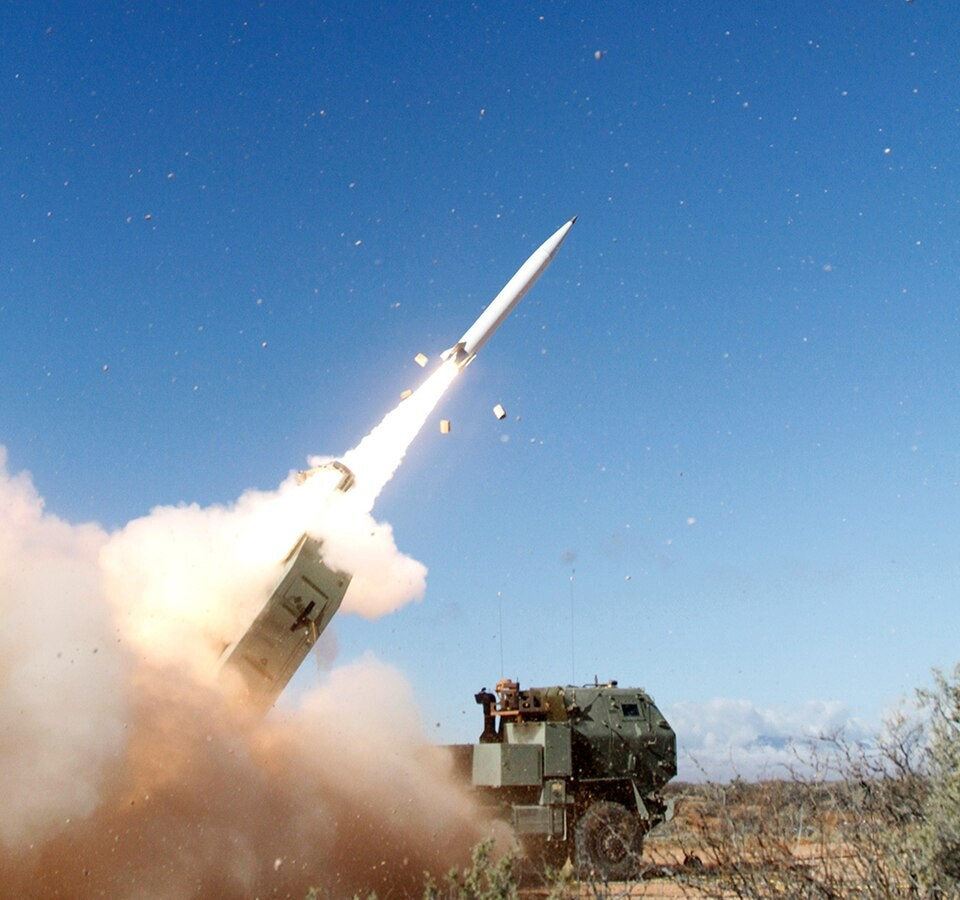
Israel and Iran have long been geopolitical rivals. Israeli officials have repeatedly expressed concerns about Iran’s nuclear program and its support for armed groups across the region. These concerns have been discussed in international forums and have influenced Israel’s defense policies.
Israel maintains close security cooperation with the United States and has invested heavily in missile defense systems designed to intercept aerial threats. The country’s security strategy often involves monitoring regional developments closely and coordinating with allied governments.
Diplomatic discussions between Israel, Western countries, and regional partners frequently focus on ensuring that nuclear technology in the region is used exclusively for peaceful purposes.
Gulf Cooperation Council Countries
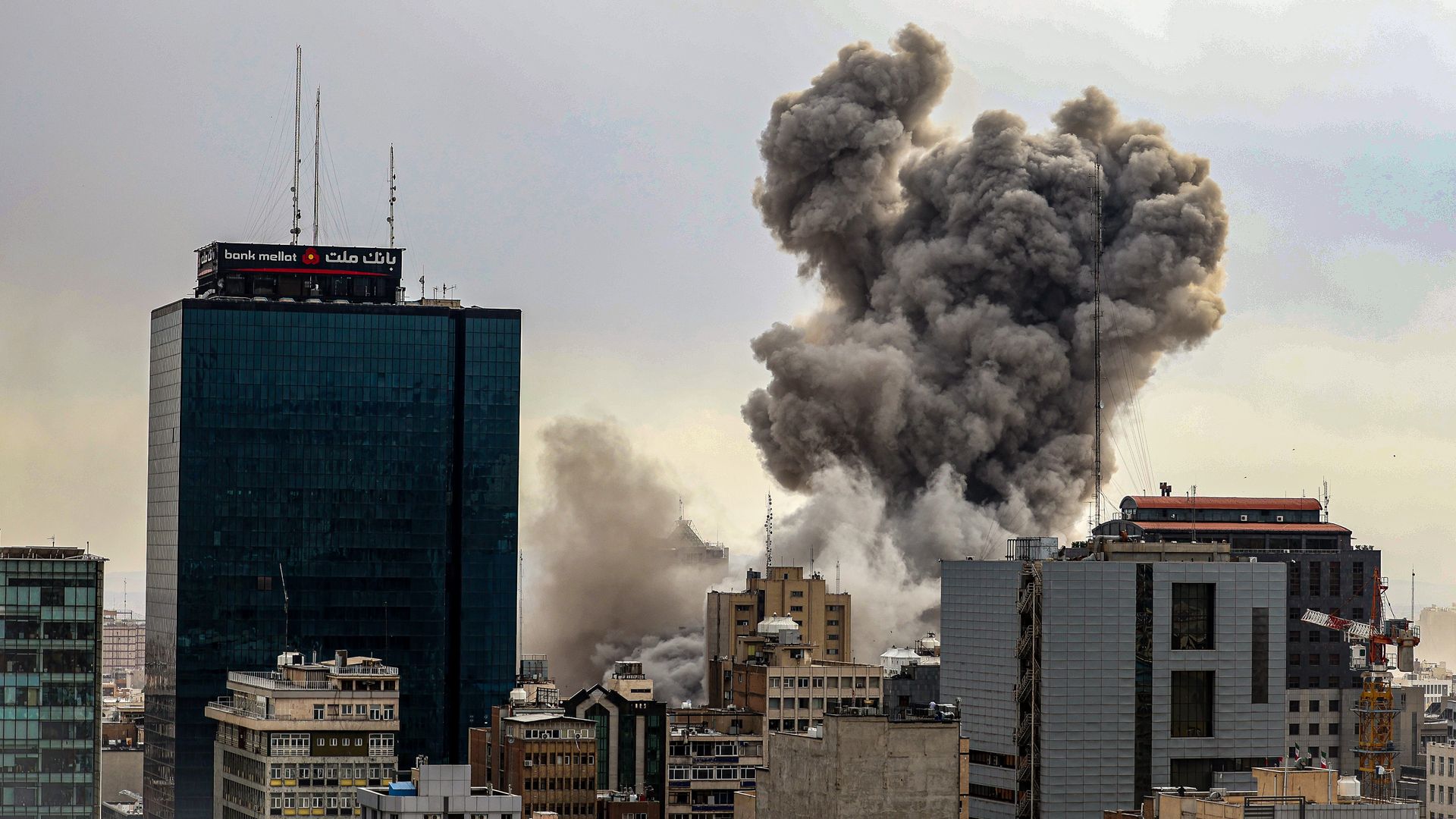
Several Gulf states—many of which are members of the Gulf Cooperation Council (GCC)—play an important role in regional security discussions. These countries host international military facilities and participate in joint defense initiatives with Western partners.
United Arab Emirates
The United Arab Emirates is a key security partner of the United States and other Western countries. The UAE hosts military installations used for regional operations and maintains advanced air defense systems.
Government officials in the UAE have emphasized the importance of stability in the Gulf region, which is critical for global energy markets and international trade. The country also participates in regional diplomatic efforts aimed at reducing tensions.
During periods of heightened security concerns, authorities may increase monitoring of critical infrastructure and coordinate with international partners.
Qatar
Qatar hosts Al Udeid Air Base, one of the largest U.S. military installations in the Middle East. The base supports coalition air operations and serves as a command center for regional missions.
Qatar has also played a diplomatic role in regional affairs, frequently acting as a mediator in negotiations involving Middle Eastern and international actors. Because of its diplomatic ties with multiple parties, Qatar is often involved in discussions aimed at de-escalating tensions.
In times of regional uncertainty, Qatari authorities typically coordinate with international partners and maintain heightened security readiness.
Kuwait
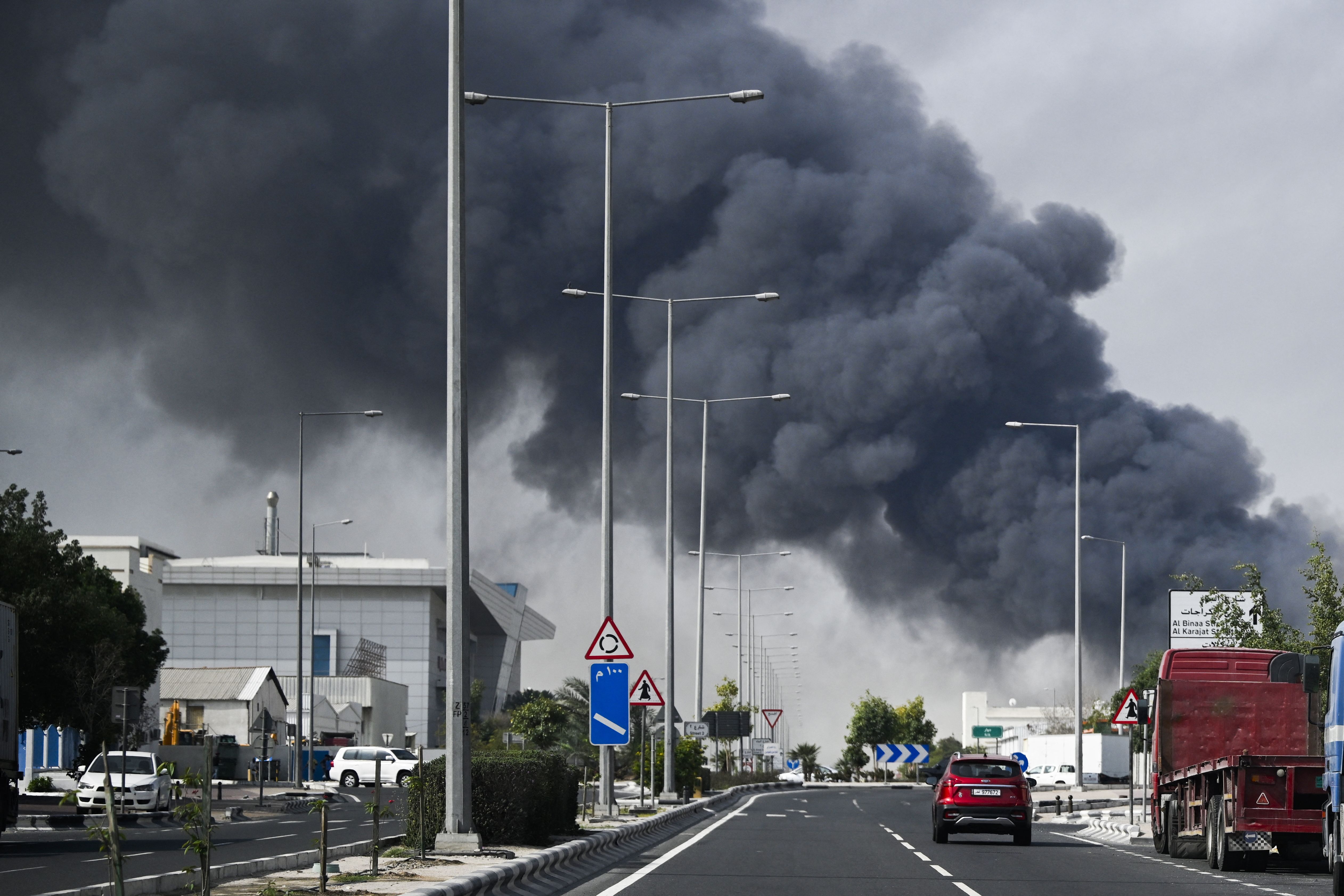
Kuwait hosts several facilities used by U.S. and allied forces for logistics and training operations. Since the early 1990s, the country has maintained strong security ties with the United States and other coalition partners.
Kuwaiti authorities closely monitor regional developments and cooperate with neighboring states on defense planning. Government officials have consistently emphasized the importance of maintaining stability and preventing escalation in the Gulf.
Bahrain
Bahrain hosts the headquarters of the United States Navy’s Fifth Fleet, which oversees naval operations across the Persian Gulf and surrounding waters. The fleet plays a central role in maritime security and international shipping protection.
Because Bahrain hosts major naval facilities, it often appears in discussions about regional defense cooperation. Authorities in the country coordinate closely with allied partners to ensure maritime safety and infrastructure protection.
Oman
Oman has historically served as a neutral diplomatic mediator in regional disputes. The country has facilitated communication between governments during sensitive negotiations, including discussions related to Iran’s nuclear program.
Oman’s approach to foreign policy emphasizes dialogue and conflict prevention. This role has often placed the country at the center of diplomatic initiatives aimed at reducing tensions between Iran and Western governments.
Saudi Arabia
Saudi Arabia is one of the most influential countries in the Middle East and has significant economic and political influence. The country has experienced periods of tension with Iran due to regional competition and differing geopolitical interests.
Saudi officials frequently participate in regional security discussions and have invested in defense systems designed to protect critical infrastructure, including energy facilities and shipping routes.
Given the importance of Saudi Arabia’s oil production to the global economy, stability in the country is considered vital to international energy markets.
Jordan

Jordan is a key partner for Western governments in regional security cooperation. The country hosts military training facilities and participates in international counter-terrorism initiatives.
Jordan’s strategic location—bordering several countries experiencing political instability—means it plays an important role in regional security planning. Authorities in Jordan typically coordinate closely with international allies when monitoring developments that could affect regional stability.
Lebanon
Lebanon is another country frequently mentioned in discussions of regional tensions due to the presence of political and armed groups with varying alliances across the Middle East.
Lebanese authorities often call for calm and diplomatic engagement when tensions rise in the region. International organizations and governments regularly emphasize the importance of maintaining stability within Lebanon, given its complex political environment.
Iraq
Iraq occupies a central geographic position between Iran and several U.S. partner countries. As a result, developments involving Iran often have implications for Iraq’s internal security environment.
The Iraqi government maintains diplomatic relations with multiple regional powers and has expressed support for efforts that promote dialogue and reduce conflict.
International organizations frequently work with Iraqi authorities to strengthen institutions and maintain stability in the country.
Cyprus and European Security Interests

Cyprus hosts British military facilities that support operations across the Middle East. These installations are used for logistics, surveillance, and coordination activities related to regional security.
Because of its proximity to the Middle East, Cyprus occasionally appears in discussions about regional developments. European governments often monitor events in the region closely due to their economic and security implications.
The United Kingdom
The United Kingdom maintains long-standing defense partnerships in the Middle East and operates military facilities that support regional operations. British naval forces regularly participate in maritime security missions in the Persian Gulf.
British officials frequently coordinate with international partners, including NATO allies and Gulf states, when addressing security concerns in the region.
Diplomatic engagement remains a key element of the United Kingdom’s approach to reducing tensions and supporting international negotiations.
France and Germany
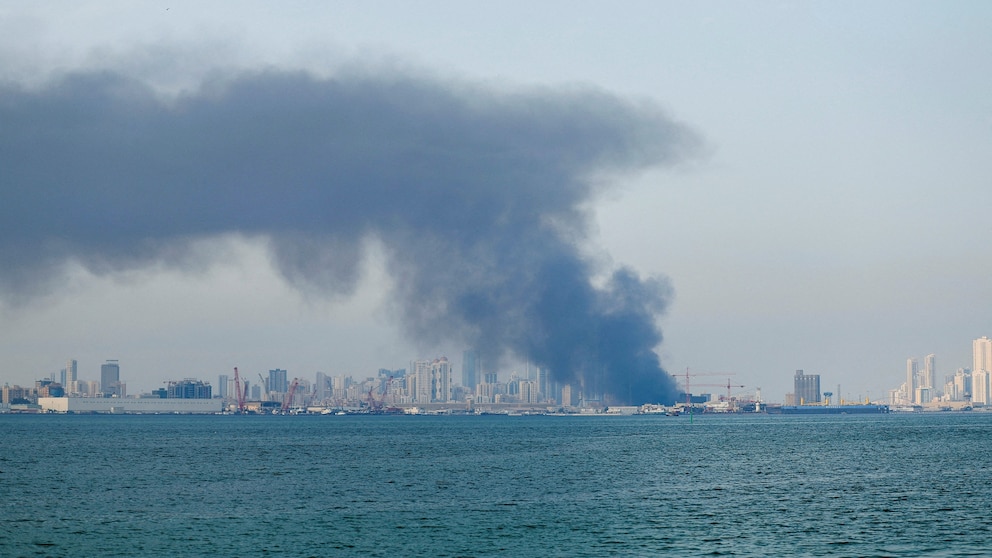
France and Germany have played significant roles in international negotiations regarding Iran’s nuclear program. Both countries were participants in the Joint Comprehensive Plan of Action (JCPOA), an agreement designed to limit Iran’s nuclear activities in exchange for sanctions relief.
European governments have generally emphasized diplomatic solutions and international monitoring through organizations such as the International Atomic Energy Agency (IAEA).
Officials from France and Germany often encourage continued negotiations and dialogue to address concerns about nuclear technology and regional security.
The Importance of Verified Information
During periods of geopolitical tension, information spreads rapidly across digital platforms. Early reports can sometimes include unverified claims or incomplete details.
International news organizations and government agencies typically verify information through multiple sources before confirming major developments. This process helps ensure that the public receives accurate updates and prevents the spread of misinformation.
Readers are encouraged to rely on reputable sources such as official government statements, established international media outlets, and recognized global organizations when following developments related to international security.
Global Implications of Regional Tensions
Events involving Iran and neighboring countries often influence global markets, diplomatic relations, and international security policies. The Persian Gulf is one of the most important corridors for energy transportation, and any disruption in the region can affect global supply chains.
Governments worldwide therefore monitor developments closely and often engage in diplomatic consultations to prevent escalation.
International organizations, including the United Nations, frequently call for restraint and dialogue during periods of heightened tension. Diplomatic efforts remain a central tool in addressing disputes and maintaining stability.
Conclusion
Multiple countries across the Middle East and beyond are connected to the evolving security situation involving Iran. These connections arise through defense partnerships, diplomatic negotiations, and economic interests tied to the stability of the Persian Gulf region.
While media reports often highlight dramatic developments during periods of tension, verified information from reputable sources provides a clearer understanding of the broader geopolitical context.
Continued diplomatic engagement, international cooperation, and careful monitoring by governments and global institutions remain essential to maintaining stability and reducing the risk of escalation in one of the world’s most strategically important regions.