California Gas Station Closures: What’s Really Happening, What Officials Say, and What It Means for Drivers
Headlines suggesting a statewide “meltdown at the pumps” and claims that California has reached a “point of no return” have circulated widely online. Some reports describe mass gas station shutdowns, financial collapse, ignored warnings, and political turmoil. However, when examined against verified information from state agencies, energy regulators, and reputable news outlets, the situation appears far more complex — and far less dramatic — than viral narratives suggest.
This article reviews confirmed facts about California’s fuel regulations, gas station compliance requirements, business challenges, and official responses. Speculative claims, unverified allegations, and exaggerated language have been removed to ensure accuracy and compliance with responsible reporting standards.
California’s Fuel Regulations and Storage Tank Requirements
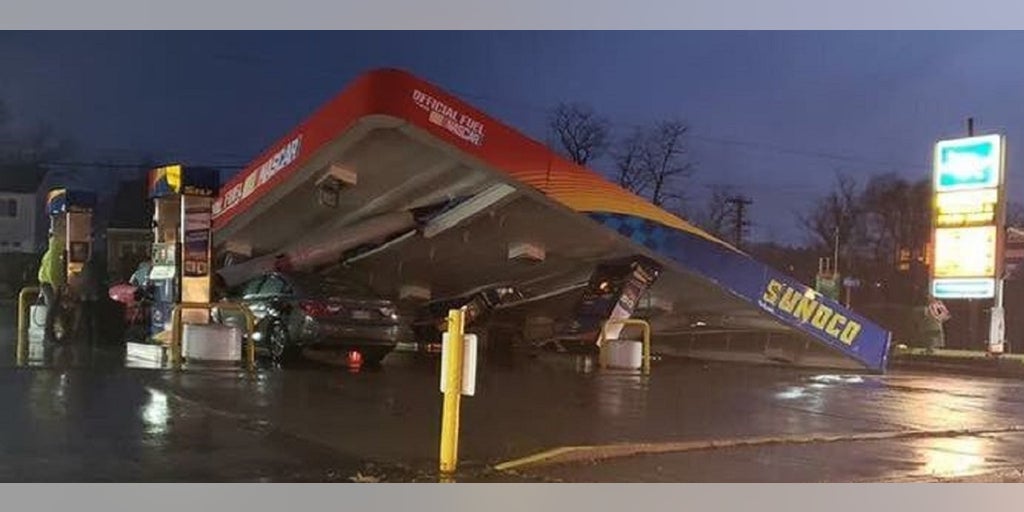
California maintains some of the most stringent environmental standards in the United States, particularly regarding underground storage tanks (USTs) used by gas stations. These regulations are overseen by the California State Water Resources Control Board and local environmental agencies.
Since the 1980s and 1990s, California has required underground fuel tanks to meet double-walled containment standards designed to prevent leaks that could contaminate groundwater. Many stations completed upgrades years ago as part of earlier compliance deadlines.
There is no verified statewide mandate taking effect January 1, 2026 that universally forces all stations to install entirely new systems at a cost of $2 million per site. While compliance costs for environmental upgrades can be significant — sometimes reaching hundreds of thousands of dollars depending on site conditions — reports claiming uniform multi-million-dollar mandatory retrofits across the state are not supported by official documentation.
Regulatory updates do occur periodically, and small operators may face financial pressure in maintaining compliance. However, California’s regulatory framework has evolved over decades rather than through sudden, unexpected mandates.
Are Gas Stations Closing Across California?
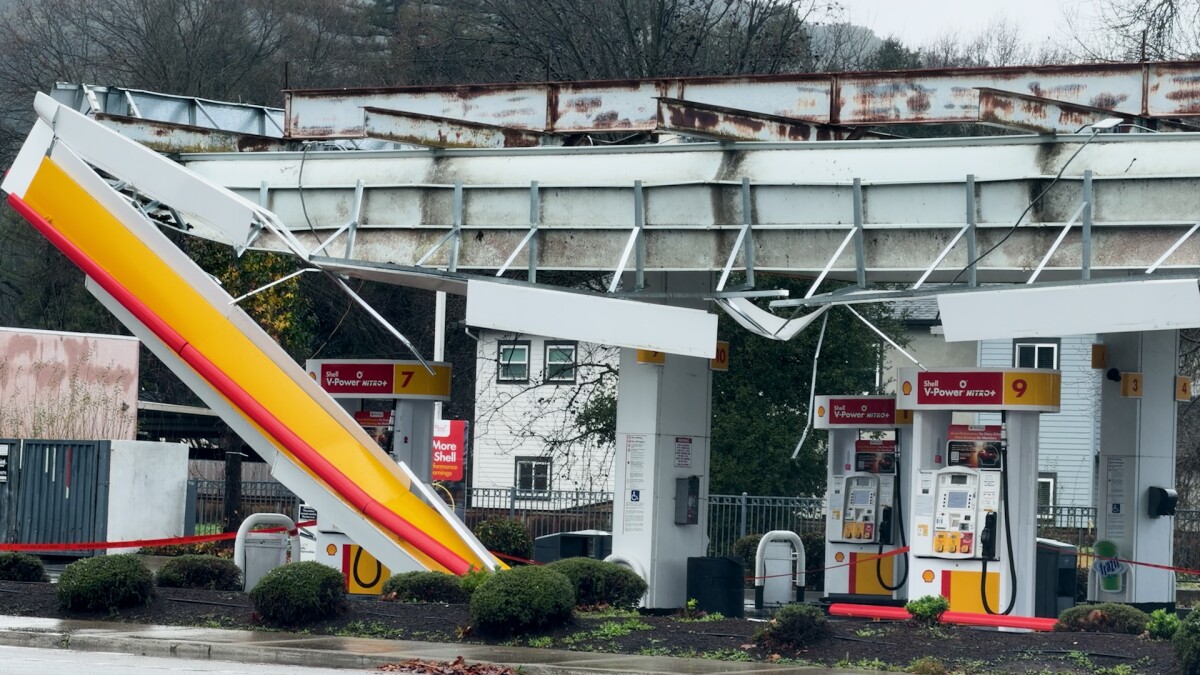
It is true that some gas stations have closed in recent years. However, closures are influenced by multiple factors, including:
• Rising real estate values
• Redevelopment of commercial properties
• Shifts toward electric vehicle (EV) adoption
• Increased operating costs
• Market consolidation by larger fuel chains
According to the California Energy Commission (CEC), California has approximately 10,000 retail fueling stations statewide. While individual closures occur, there is no verified evidence that hundreds of stations closed within a matter of days due to a single regulatory trigger.
In some rural or economically disadvantaged areas, residents may experience reduced access to nearby stations. Researchers sometimes refer to such areas as “fuel access gaps,” similar to the concept of “food deserts.” However, statewide fuel supply disruptions or widespread panic have not been confirmed by state authorities.
Economic Pressures on Small Business Owners

Operating a gas station in California can be expensive. Owners must comply with environmental regulations, wage laws, insurance requirements, and safety inspections. In addition, California’s fuel taxes are among the highest in the country, contributing to elevated retail gasoline prices.
According to the California Department of Tax and Fee Administration, state excise taxes and environmental program fees contribute significantly to per-gallon pricing. While tax structures are publicly documented, they do not directly cause station closures; rather, they form part of the broader cost structure faced by retailers.
Industry analysts note that independent gas station owners often operate on thin margins. Profit is typically generated through convenience store sales rather than fuel itself. Economic downturns, inflation, and supply chain disruptions can increase financial strain.
However, there is no official confirmation of a daily $5,000 fine imposed uniformly on stations unable to upgrade infrastructure as described in some viral accounts. Environmental penalties typically apply in cases of noncompliance following inspections and are handled through regulatory processes.
Governor’s Response and Public Statements

Claims that California’s governor “lost control” or “stepped down” due to gas station shutdowns are not supported by verified reports.
Governor Gavin Newsom has addressed energy policy in public forums, particularly regarding gasoline pricing, refinery capacity, and the state’s transition toward clean energy. His administration has also implemented policies encouraging electric vehicle adoption as part of California’s long-term climate strategy.
There has been no official announcement of resignation linked to fuel station closures. Public press conferences and official statements remain accessible through the Governor’s Office website and major news outlets.
Political criticism of energy policy is common, especially during periods of high gasoline prices. However, dramatic portrayals of panic or breakdown are not reflected in verified press briefings.
Fuel Supply and Market Stability
California’s fuel supply system differs from other states because it uses a specialized gasoline blend designed to reduce emissions. This formulation, known as CARB gasoline (regulated by the California Air Resources Board), limits the number of refineries capable of supplying the state.
When refinery maintenance or outages occur, price spikes can follow due to limited alternative supply sources. This has happened periodically, particularly during peak travel seasons.
Despite these fluctuations, the California Energy Commission reports that fuel inventories are monitored regularly. There is no current evidence of statewide fuel exhaustion or systemic collapse of distribution networks.
Electric Vehicle Transition and Market Shifts
California has set ambitious goals to reduce greenhouse gas emissions and phase out sales of new gasoline-powered vehicles by 2035. As electric vehicle adoption increases, some gas station operators may reassess long-term investments in traditional fuel infrastructure.
According to the California Energy Commission, EV sales now account for a significant percentage of new vehicle purchases in the state. This gradual transition could reshape fuel demand over the coming decades.
However, the shift is incremental. Millions of gasoline-powered vehicles remain in operation, ensuring continued demand for fuel stations in the foreseeable future.
Community Impact and Public Concerns
In areas where a station closes, residents may need to travel farther for fuel. For individuals with limited transportation options, this can create inconvenience and financial stress.
Advocacy groups sometimes call for targeted assistance or incentives to maintain service in underserved communities. State and local programs have occasionally offered grants or financial assistance for infrastructure upgrades.
While frustration over energy costs is real, there is no verified evidence of widespread panic or collapse of daily transportation systems.
Investigating Claims of Corruption
Viral narratives often include allegations of corruption or secret agreements between regulators and private interests. At present, there are no confirmed investigations by state or federal authorities linking gas station closures to corruption within California’s fuel regulatory system.
Government procurement and environmental regulation processes are publicly documented and subject to oversight. Allegations without verified documentation should be treated cautiously.
The Role of Media Amplification
Sensational headlines can amplify anxiety, particularly during periods of economic uncertainty. Words such as “meltdown,” “collapse,” and “point of no return” generate attention but may not reflect official assessments.
Energy market experts emphasize the importance of distinguishing between localized business challenges and systemic failure.
California’s economy remains one of the largest in the world. While fuel pricing and regulatory costs present challenges, there is no official declaration of a statewide energy emergency tied to gas station closures.
Looking Ahead: Policy Debate Continues
Energy policy in California remains a topic of debate among lawmakers, industry leaders, and residents. Issues frequently discussed include:
• Fuel price stabilization
• Refinery capacity
• Environmental protection
• Transition to renewable energy
• Support for small businesses
Public policy decisions are shaped through legislative processes, regulatory review, and voter engagement.
Conclusion: Separating Fact From Alarm
California’s fuel retail sector faces economic and regulatory pressures, as do many industries adapting to environmental standards and market changes. Some gas stations have closed, and small business owners may experience financial challenges.
However, verified information from state agencies and reputable news organizations does not support claims of a sudden statewide shutdown, uncontrolled panic, or political resignation tied to fuel mandates.
Understanding the situation requires careful review of official sources rather than reliance on sensational narratives.
As California continues balancing environmental goals with economic realities, ongoing public dialogue will shape the future of energy access across the state.
Sources
California Energy Commission – Fuel Supply and Retail Station Data
California State Water Resources Control Board – Underground Storage Tank Regulations
California Department of Tax and Fee Administration – Fuel Tax Structure
California Air Resources Board (CARB) – Fuel Standards
Governor of California Official Press Releases
U.S. Energy Information Administration – State Energy Profiles