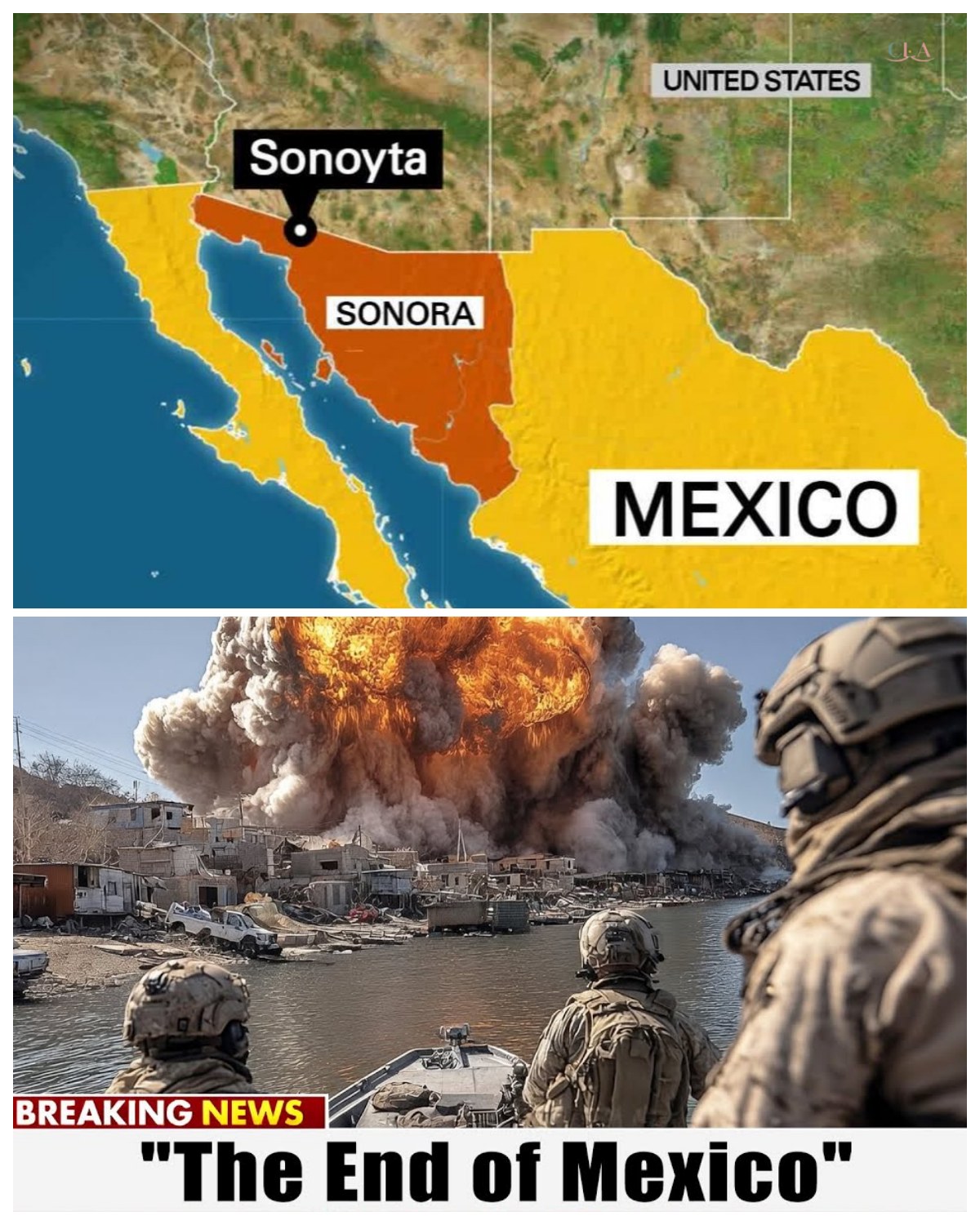
In recent years, stories describing dramatic confrontations along the U.S.–Mexico border have circulated widely across digital platforms. Many of these narratives use cinematic language, unnamed characters, and unverified claims involving organized crime groups or elite military units. While such accounts may capture attention, they often blur the line between fiction, speculation, and documented reality. For readers, publishers, and advertisers alike, it is essential to distinguish between what is supported by credible sources and what remains unconfirmed or misleading.
This article examines claims of a large-scale border breach involving organized criminal groups and U.S. military intervention, clarifies what reputable sources confirm, and explains why careful, evidence-based reporting is critical when discussing border security.
The U.S.–Mexico Border: A Complex Security Environment

The land border between the United States and Mexico spans nearly 2,000 miles and crosses deserts, rivers, urban centers, and remote terrain. Responsibility for monitoring and securing this area primarily rests with civilian law enforcement agencies, including U.S. Border Patrol, which operates under the Department of Homeland Security.
According to official U.S. government reports, border activity includes irregular migration, smuggling of goods, and attempts by criminal networks to move people or contraband across the boundary. These activities are ongoing challenges, but they are addressed through law enforcement operations, surveillance technology, and bilateral cooperation rather than open military engagement.
Claims of Organized Crime “Convoys”
Some viral stories describe large convoys of vehicles linked to groups such as the Sinaloa Cartel crossing the border in coordinated actions. Reputable law enforcement and academic sources do not support claims of organized crime groups conducting open, large-scale vehicle incursions into U.S. territory resembling a military operation.
Research institutions, including the Win Without War Education Fund, note that while organized crime networks are active in smuggling operations, they rely on concealment, corruption, and logistics rather than overt force. Large, visible movements would increase detection and risk, making them inconsistent with known criminal strategies.
The Role of the U.S. Military

Another recurring claim involves the deployment of elite military units, such as United States Navy SEALs, in response to alleged border breaches. Official U.S. policy is clear: domestic border enforcement is a civilian function. While the military may provide logistical or technical support under specific legal frameworks, there is no public evidence from the Department of Defense confirming combat-style deployments of special operations forces to confront criminal groups at the border.
Policy analyses published by institutions such as Arizona State University emphasize that proposals involving direct military action against cartels—whether inside the United States or across international borders—remain theoretical discussions rather than enacted policy. Such actions would raise significant legal, diplomatic, and humanitarian concerns.
Why Anonymous, Narrative-Driven Accounts Spread
Stories framed around unnamed individuals, dramatic timelines, and emotionally charged language are common in viral content. Media researchers point out that these narratives often borrow techniques from fiction, including archetypal characters and heightened stakes, to increase engagement.
However, without corroboration from official statements, court records, or recognized news organizations, these accounts should not be treated as factual reporting. Responsible journalism requires verifiable sources, transparent attribution, and clear separation between analysis and speculation.
What Credible Sources Actually Report
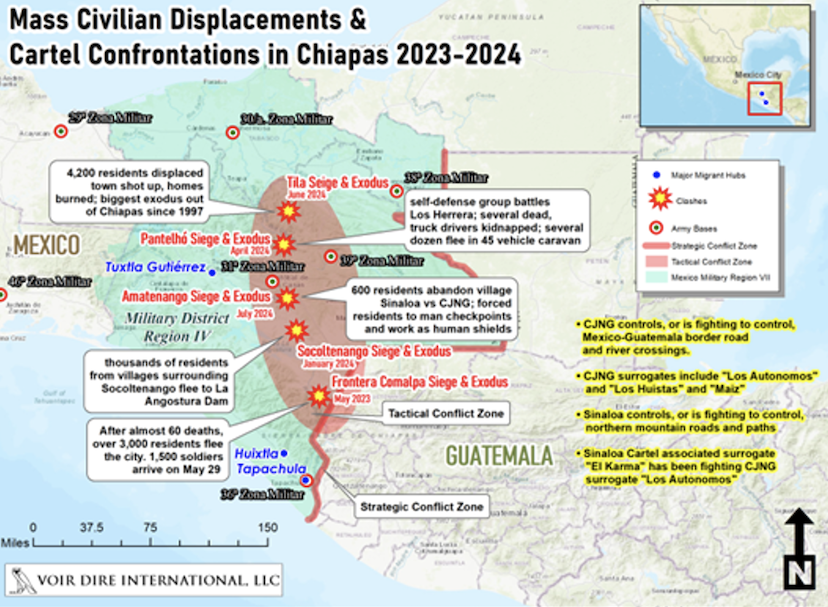
According to reporting from established outlets and government agencies, border security operations typically involve surveillance, arrests, and investigations carried out by law enforcement. Incidents are documented through press releases, legal proceedings, and statistical reports. When significant events occur, they are usually covered by multiple independent news organizations and confirmed by official spokespeople.
No reputable outlet has confirmed a recent incident involving an organized crime “invasion” of U.S. territory followed by direct military engagement. In the absence of such confirmation, claims suggesting otherwise should be approached with caution.
The Importance of Avoiding Sensational Language
Language that implies large-scale conflict or dramatic confrontation can distort public understanding of border issues. Experts in media ethics warn that sensational framing may contribute to fear, misunderstanding, and polarization, particularly on topics already subject to political debate.
From an advertising and platform policy perspective, exaggerated or violent imagery also carries risks. Content that implies armed conflict or portrays unverified scenarios as fact may violate guidelines designed to ensure accuracy, safety, and suitability for a broad audience.
Border Security and Public Discourse

Border management remains a significant policy issue involving migration, trade, public safety, and international cooperation. Constructive discussion depends on reliable information rather than speculation. Government agencies on both sides of the border regularly publish data on encounters, seizures, and enforcement actions, providing a factual basis for analysis.
Academic studies and policy papers further contextualize these figures, examining root causes such as economic conditions, organized crime dynamics, and regional instability. These sources consistently emphasize that complex challenges require coordinated, lawful responses rather than dramatic, unilateral actions.
Why Verification Matters for Publishers and Readers
For publishers, especially those operating within advertising-supported ecosystems, accuracy is not just an ethical obligation but a practical necessity. Platforms such as Google require content to avoid misinformation, unverified claims, and misleading representations of real-world events.
For readers, understanding how to evaluate sources is equally important. Indicators of reliability include named sources, official documentation, consistent reporting across outlets, and cautious language that distinguishes facts from interpretation.
Separating Fiction from Reality
Stories that read like action narratives may be compelling, but they should be clearly labeled as fictional or opinion-based if they are not grounded in verifiable events. Presenting such narratives as news risks misleading audiences and undermining trust.
In contrast, evidence-based reporting on border security—grounded in data, expert analysis, and official records—provides a clearer picture of the challenges and responses involved.
A More Accurate Perspective
The U.S.–Mexico border is not a battlefield in the conventional sense. It is a complex zone of movement, regulation, and enforcement managed primarily by civilian institutions under the rule of law. While criminal organizations pose real challenges, their activities and the responses to them are far more nuanced than viral stories often suggest.
Understanding this reality allows for informed discussion, responsible publishing, and content that meets the standards of accuracy required by reputable platforms and advertisers.
Conclusion
Claims of dramatic border breaches followed by secret military interventions are not supported by credible, publicly available evidence. Reputable sources—including government agencies, universities, and policy research organizations—consistently describe border security as a law enforcement and policy issue, not an undeclared military conflict.
For readers seeking clarity, the most reliable information comes from official statements, established news organizations, and peer-reviewed research. By focusing on verified facts and avoiding sensational speculation, discussions about border security can remain informative, responsible, and suitable for broad public audiences.