
Guess who: he is a very famous man today — and he is not the person many people think he is. At first glance, his public image seems straightforward, even predictable. He’s been photographed endlessly, quoted everywhere, and discussed so often that it feels like we already know him. But the truth behind his rise tells a very different story, one that rarely gets mentioned when his name appears in headlines.
Before the fame, before the recognition, his life followed a path filled with uncertainty, rejection, and moments that could have ended everything before it even began. Those closest to him say he was underestimated repeatedly, dismissed as unlikely to succeed, and quietly pushed aside in favor of safer choices. What makes his story compelling isn’t just where he ended up — it’s how far removed that destination is from where he started.
For more than five decades, Mark Harmon has been a steady and familiar presence on American television. Viewers around the world know him best as Leroy Jethro Gibbs on NCIS, a role he played for 19 seasons before stepping away in 2021. Long before that defining chapter, however, Harmon’s career followed a path shaped by family legacy, athletic discipline, and years of consistent work in television and film.
Looking back at his early life and professional beginnings reveals how preparation, opportunity, and persistence combined to create one of the most reliable careers in modern television history.
Growing Up in a Public Family

Mark Harmon was born in 1951 in California into a family already well known to the American public. His mother, Elyse Knox, had worked as an actress and fashion model, while his father, Tom Harmon, was a celebrated college football star and later a sports broadcaster.
Harmon grew up accustomed to media attention and public scrutiny. In interviews from the 1970s, he explained that this environment made him comfortable around cameras from a young age. Rather than feeling intimidated by public exposure, he learned early how to remain composed and focused, a skill that would later serve him well as an actor.
His older sisters, Kristin and Kelly Harmon, also pursued careers connected to entertainment, further embedding the family in Hollywood and broadcast culture.
From the Football Field to Acting
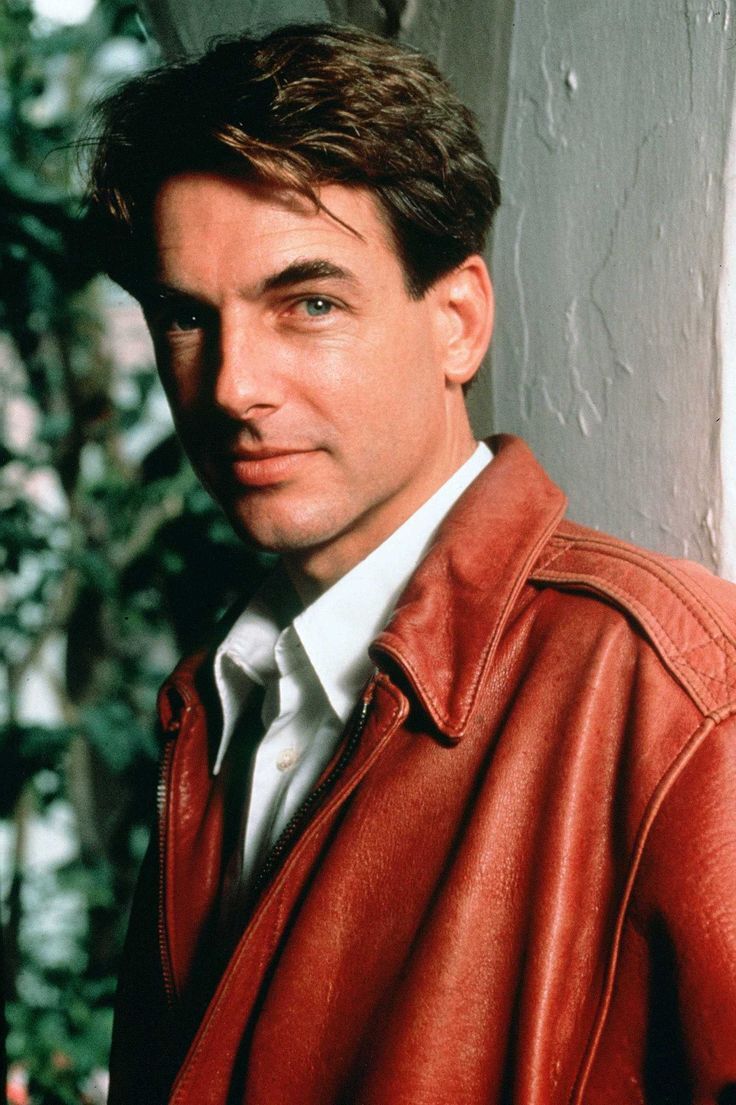
Before acting became his profession, Harmon followed his father’s athletic footsteps. He attended the University of California, Los Angeles, where he played quarterback for the UCLA Bruins in the early 1970s. University records and sports reporting from the era describe him as a disciplined and capable player, valued for leadership as much as physical ability.
Although football provided structure and recognition, Harmon ultimately chose not to pursue a professional sports career. Instead, after completing his studies, he began exploring acting, approaching it with the same work ethic he had applied to athletics.
This transition was gradual rather than sudden. He started by auditioning for television roles and learning the craft through experience rather than formal drama school training.
First Steps in Television
Harmon’s earliest acting credits came in the mid-1970s, with appearances on established television series such as Adam-12, Police Woman, and Laverne & Shirley. These roles were typically small but consistent, helping him build professional relationships and gain on-set experience.
His first major breakthrough came with the 1977 television movie Eleanor and Franklin: The White House Years, where he earned critical recognition and an Emmy nomination for his supporting performance. This role marked an important turning point, signaling that he was capable of more complex and dramatic material.
Early Film Roles and Career Momentum

In the late 1970s and early 1980s, Harmon began appearing in feature films while continuing to work in television. His film debut in Comes a Horseman placed him alongside established stars and expanded his visibility beyond the small screen.
Throughout this period, Harmon worked steadily rather than chasing instant stardom. Industry observers often note that this consistency, rather than breakout fame, became a defining characteristic of his career.
Becoming a Household Name in the 1980s
Harmon’s profile rose significantly in the early 1980s when he joined the cast of Flamingo Road. Although the series was short-lived, it helped position him as a leading man on television.
His most impactful role of the decade came with St. Elsewhere, where he played Dr. Robert Caldwell from 1983 to 1986. The show is widely regarded by television historians as one of the most influential medical dramas ever produced, known for its ensemble cast and realistic storytelling.
Harmon’s performance demonstrated his ability to balance charm with emotional depth, earning him widespread recognition and establishing him as a serious dramatic actor.
Public Recognition and Professional Balance

In 1986, Harmon was named People magazine’s Sexiest Man Alive, becoming one of the earliest recipients of the title. In subsequent interviews, he downplayed the attention, emphasizing that professional longevity mattered more to him than accolades.
Throughout the late 1980s, he continued to appear in films such as The Presidio and Summer School, as well as television movies and guest roles. While these projects varied in tone and reception, they reinforced his reputation as a dependable and versatile performer.
Television Stability in the 1990s
As television evolved in the 1990s, Harmon remained a familiar face. He starred alongside Marlee Matlin in Reasonable Doubts, and later joined the cast of Chicago Hope, once again portraying a physician.
These roles reinforced his association with procedural dramas and ensemble storytelling, genres that would later define the most successful phase of his career.
The Role That Defined a Generation

In 2003, Harmon was cast as Leroy Jethro Gibbs on NCIS. At the time, he was already a veteran actor with decades of experience, which contributed to the character’s authority and credibility.
Over nearly two decades, Gibbs became one of the most recognizable characters in television history. Harmon appeared in more than 400 episodes, helping transform NCIS into one of the highest-rated series in the world. Industry analysts often credit his understated performance style and leadership behind the scenes as key factors in the show’s longevity.
A Long and Private Marriage
Outside of his professional life, Harmon has maintained a notably private personal life. He married Pam Dawber in 1987, and the couple has two sons. Unlike many Hollywood relationships, their marriage has remained largely out of the public spotlight.
In interviews, Harmon has frequently emphasized the importance of family stability and privacy. Dawber later appeared in a limited arc on NCIS in 2021, marking their first on-screen collaboration.
Life After NCIS
After stepping back from NCIS, Harmon shifted his focus toward producing and writing. In 2023, he co-authored the nonfiction book Ghosts of Honolulu with Leon Carroll Jr., a longtime technical advisor on NCIS. The book examines historical intelligence operations surrounding World War II, drawing on verified archival sources and documented accounts.
Harmon has described the project as an extension of his long-standing interest in history and storytelling rather than a departure from his career.
A Career Built on Consistency
Looking back at Mark Harmon’s early years and long career reveals a pattern defined not by overnight success, but by steady growth and professional discipline. From a college quarterback to a respected television actor, his journey reflects preparation, adaptability, and a commitment to craft.
Today, Harmon is often remembered as a television icon, but his early path shows how decades of incremental progress laid the foundation for lasting success. It is that foundation, built long before NCIS, that explains why his work continues to resonate with audiences across generations.