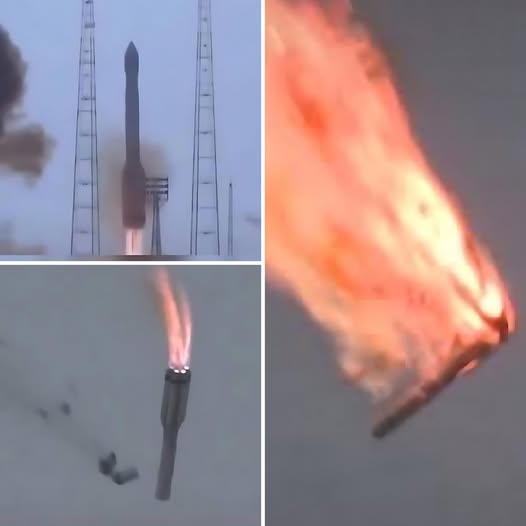
China Attempts Two Rocket Launches in One Day, Both Missions Encounter Anomalies
What was initially expected to become a notable day for China’s spaceflight schedule instead turned into a moment of reassessment after two rocket launch attempts conducted within the same day failed to complete their intended missions as planned.
Launching multiple rockets in a short time frame is widely regarded as a technically demanding operation. It requires precise coordination across launch infrastructure, ground control teams, tracking systems, and manufacturing reliability. For any spacefaring nation, attempting two launches in a single day signals confidence in operational maturity and logistical readiness. China’s decision to schedule two separate rocket missions on the same day reflected its ambition to maintain a high launch cadence and demonstrate the robustness of its expanding aerospace capabilities.
However, both missions encountered serious anomalies shortly after liftoff, preventing them from reaching their intended objectives. While initial launch phases appeared nominal, subsequent flight data indicated that each rocket failed to complete its planned trajectory. As a result, neither mission achieved full success, marking an unusual and sobering outcome for a day that had been positioned as a demonstration of technical momentum.
A High-Profile Attempt at Rapid Launch Cadence

In recent years, China has significantly increased the frequency of its space launches. The country now conducts dozens of orbital missions annually, supporting scientific research, Earth observation, communications, navigation, and commercial satellite deployment. This growing cadence places China among the most active spacefaring nations in the world.
Attempting two launches in a single day was consistent with this broader trend. Such scheduling is not unprecedented globally, but it remains relatively rare due to the complexity involved. Each launch requires independent verification of vehicle readiness, weather conditions, telemetry systems, and safety protocols. Even minor deviations can force delays or cancellations.
According to publicly available information, both Chinese rockets lifted off as scheduled from their respective launch facilities. Initial footage showed standard ignition sequences and normal ascent behavior during the earliest phase of flight. For observers watching the live broadcasts and post-launch imagery, the openings of both missions appeared routine.
It was only after the rockets had climbed higher into the atmosphere that flight anomalies became apparent.
First Launch: Early Signs of Trouble
The first rocket launched earlier in the day was expected to deliver its payload into orbit as part of a routine mission profile. During the initial seconds following liftoff, telemetry suggested stable propulsion and guidance. However, as the vehicle continued its ascent, onboard systems reportedly detected abnormal performance parameters.
Space launch vehicles operate within extremely narrow margins. Guidance, navigation, and control systems continuously adjust engine thrust and orientation to maintain the correct trajectory. If onboard computers detect deviations beyond acceptable thresholds, automated safety systems may terminate the mission to prevent uncontrolled behavior.
In this case, available reports indicate that the first rocket did not complete its planned flight. The mission was declared unsuccessful after the vehicle failed to reach its intended orbital insertion. Chinese authorities did not immediately release detailed technical explanations, which is standard practice while preliminary investigations are conducted.
While the precise cause remains under review, such failures are often linked to propulsion irregularities, structural stresses, sensor errors, or stage-separation issues. Any one of these factors can compromise a launch within seconds.
Proceeding With a Second Launch
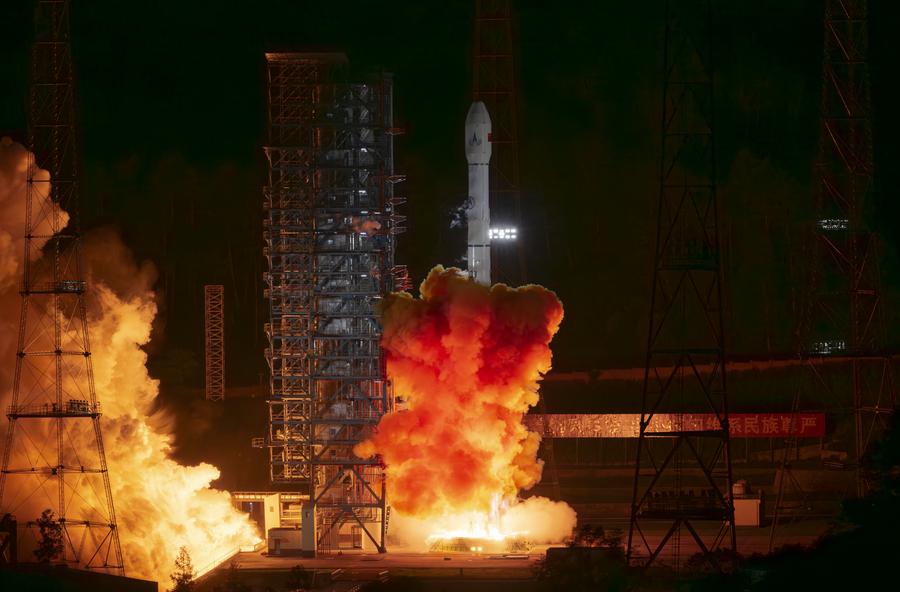
Following the unsuccessful outcome of the first mission, China proceeded with the second scheduled launch later the same day. This decision drew attention within the global aerospace community, as many agencies typically pause launch operations after a failure until an initial assessment is completed.
However, it is not uncommon for launch programs to treat missions as independent events, especially when different rocket configurations, payloads, or launch facilities are involved. In such cases, proceeding with a subsequent launch may be deemed acceptable if there is no immediate indication of a shared systemic issue.
The second rocket lifted off under heightened scrutiny. Expectations were cautious, and the mission quickly became a focal point for analysts and observers monitoring China’s launch reliability.
As with the earlier attempt, the second rocket’s initial ascent appeared nominal. Engines ignited successfully, and the vehicle rose from the launchpad on schedule. For a brief period, telemetry suggested stable flight.
That optimism did not last.
Second Mission Also Fails to Reach Target Orbit
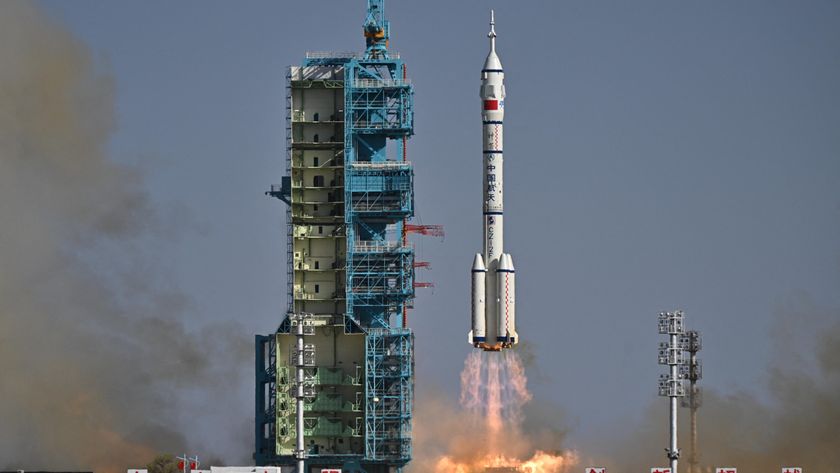
Shortly after launch, the second rocket also experienced anomalies that prevented it from completing its mission. Flight data indicated that the vehicle failed to achieve the required parameters for orbital insertion. As a result, the mission was classified as unsuccessful.
The occurrence of two launch failures on the same day is statistically uncommon, particularly for a space program that has maintained a generally high success rate in recent years. While launch failures are an inherent risk of spaceflight, back-to-back losses intensify scrutiny and raise questions about quality control, testing procedures, and operational oversight.
Chinese space authorities acknowledged the anomalies and confirmed that investigations were underway. As is typical in such situations, detailed findings were not immediately disclosed pending a thorough technical review.
The Cost of Launch Failures
Each rocket launch represents a substantial investment of time, expertise, and financial resources. Beyond the cost of the launch vehicle itself, missions often carry satellites or instruments that take years to design, build, and test. When a launch fails, the loss extends far beyond hardware.
Payloads intended for scientific research, Earth observation, navigation support, or commercial services may need to be rebuilt or replaced. Launch schedules are disrupted, contracts may be renegotiated, and downstream projects can face significant delays.
There is also a human dimension. Thousands of engineers, technicians, and researchers contribute to each mission. A failed launch can be deeply discouraging for teams who have devoted years to preparation. While failure is an accepted part of aerospace development, it remains a difficult outcome for any organization.
Implications for China’s Space Program

China’s space program has achieved numerous high-profile successes in recent decades. These include the construction of an independent space station, robotic missions to the Moon, and interplanetary exploration projects. As a result, China has built a reputation as a capable and increasingly sophisticated space power.
The dual launch failures do not erase these accomplishments, but they do interrupt a narrative of steady progress. Reliability is a critical metric in space operations, particularly as China seeks to expand commercial launch services and deepen international partnerships.
Potential customers and collaborators closely track launch success rates. While a single failure can often be contextualized, multiple failures in a short period may prompt closer evaluation of risk management practices.
Failure as a Part of Spaceflight History
It is important to note that no major space program has operated without setbacks. The history of space exploration is marked by accidents, launch losses, and technical surprises. The United States, Russia, Europe, Japan, and private launch providers have all experienced periods of elevated failure rates, especially during phases of rapid expansion or technological transition.
Modern rockets are among the most complex machines ever built. They operate under extreme thermal, mechanical, and aerodynamic stress. Even with rigorous testing, unforeseen interactions between systems can emerge only during actual flight.
In many cases, failures lead directly to improvements. Investigations uncover weaknesses, design changes are implemented, and reliability ultimately increases. Spaceflight progress has often advanced through lessons learned from difficult moments.
The Investigation Process
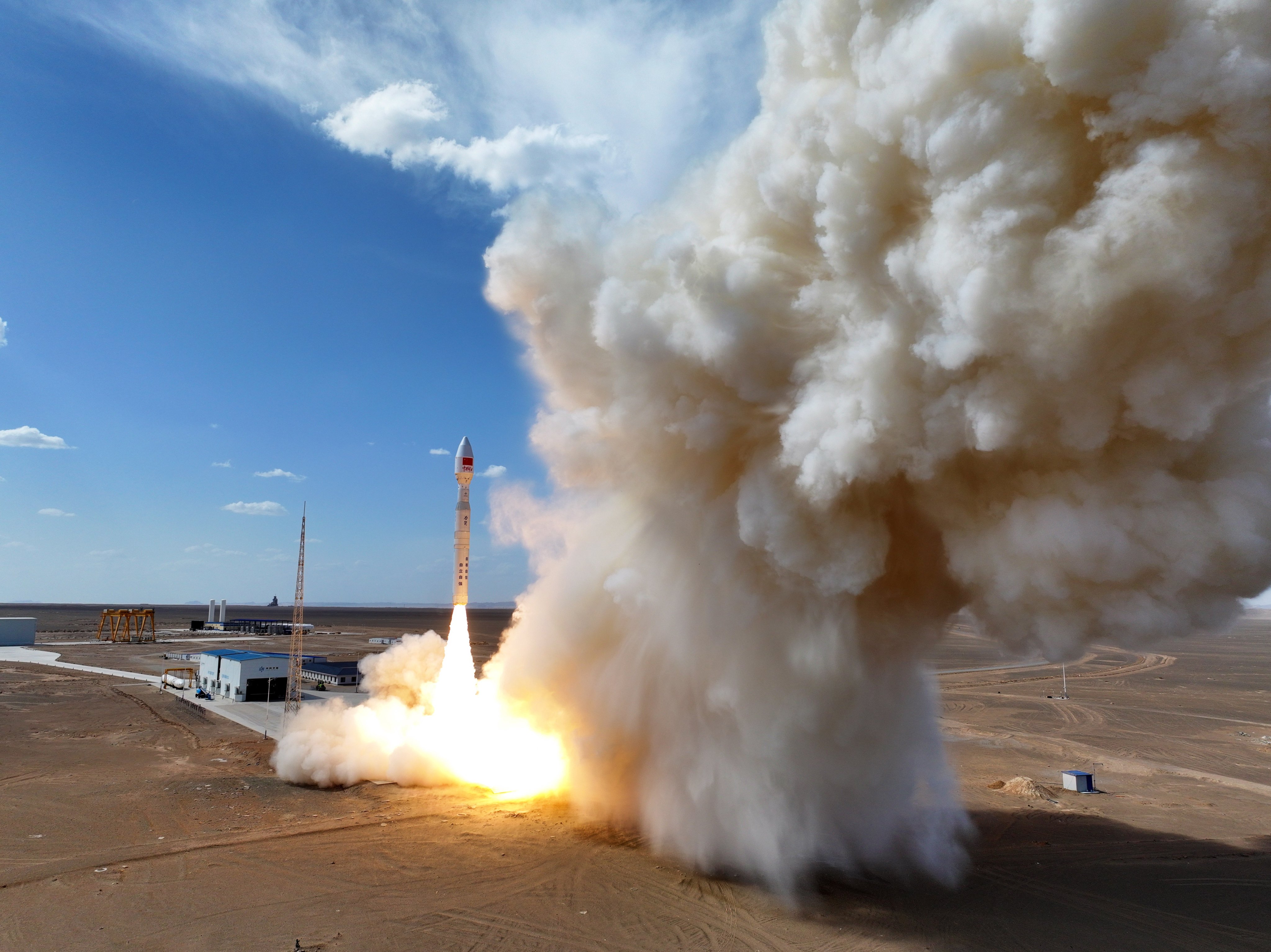
Following launch anomalies, aerospace agencies typically conduct multi-stage investigations. These involve analyzing telemetry data, reviewing manufacturing records, inspecting remaining hardware, and simulating flight conditions. Independent review panels may be convened to ensure objectivity.
The goal is not only to identify the immediate cause but also to understand contributing factors such as organizational processes, testing coverage, and quality assurance practices. Findings can lead to design revisions, procedural changes, or temporary grounding of specific launch vehicles.
Chinese authorities have indicated that both launch failures will be examined thoroughly. Future launch schedules may be adjusted depending on the outcome of these reviews.
Looking Forward
While the events of that day were disappointing, they do not represent the end of China’s space ambitions. Launch failures, though costly, are part of the broader learning curve inherent to space exploration. What matters most is how agencies respond—whether they prioritize transparency, technical rigor, and continuous improvement.
China’s space sector continues to expand, with numerous missions planned across scientific, commercial, and exploration domains. The lessons drawn from these two failed launches will likely shape future designs and operational decisions.
In the long run, resilience is as important as success. Space exploration has never been a straight path forward. It advances through ambition, experimentation, and the willingness to confront failure directly.
The attempted dual launch will be remembered not as a triumph, but as a reminder of the challenges that come with pushing technological boundaries. As investigations proceed and systems are refined, China—like all spacefaring nations—will seek to turn setback into progress.
In spaceflight, the ultimate measure of strength is not the absence of failure, but the ability to learn from it and return with greater precision and reliability.