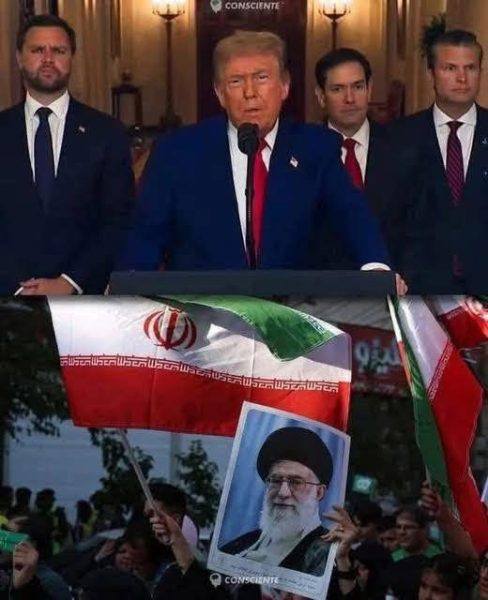
As Iran Teetered Toward Crisis, the United States Pulled Back. What Comes Next Remains Unclear
Late Tuesday night, senior national security officials emerged from the White House Situation Room believing a pivotal decision was close. After hours of deliberation over potential military options against Iran, many sensed that President Donald Trump was nearing a call that could significantly alter the trajectory of U.S.–Iran relations.
Inside the room, officials had reviewed intelligence, policy options, and humanitarian concerns tied to Iran’s escalating crackdown on protesters. The mood, according to people familiar with the discussion, was serious and unsettled. While no decision was finalized, there was a growing sense that limited military action was under serious consideration.
Yet within 48 hours, the trajectory shifted. The United States stepped back from immediate action, leaving allies, adversaries, and even some administration officials uncertain about what would come next.
The Images That Shaped the Conversation
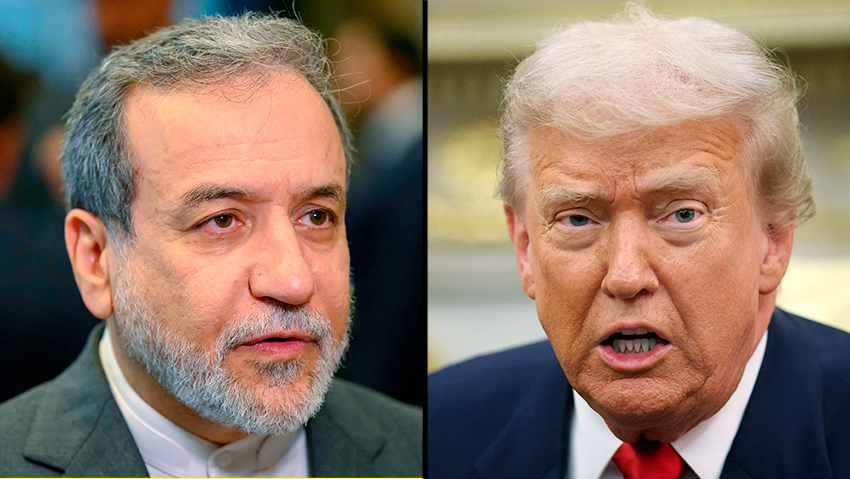
According to sources briefed on the Situation Room meeting, the president was deeply affected by video footage depicting past executions carried out by Iranian authorities. These images, which have circulated for years, were viewed in the context of current unrest and fears that similar actions could resume amid the government’s response to protests.
Trump was also briefed on plans by Iranian authorities to carry out the execution of a high-profile protester, 26-year-old Erfan Soltani. The State Department indicated the execution had initially been scheduled for mid-January. The prospect reportedly troubled the president, reinforcing concerns that Iran’s response to dissent could escalate further.
At the conclusion of the meeting, Trump made clear that he was not ready to decide. Instead, he indicated he would continue weighing options.
Signals of Escalation — Then Sudden Restraint
By Wednesday morning, Trump appeared closer than before to authorizing a limited military response. Publicly, he encouraged Iranians to continue protesting and declared that “help is on its way,” comments that were interpreted by many observers as signaling a potential shift toward action.
Behind the scenes, U.S. military preparations reflected that assessment. Precautionary steps were taken, including the evacuation of non-essential personnel from major U.S. installations in the region. Military assets were repositioned, underscoring that military options were being readied.
Then came a surprise.
On Thursday, Trump publicly stated that “very important sources on the other side” had informed him that executions had stopped. The statement suggested a pause in the immediate humanitarian concern that had driven much of the urgency — and implied that military action was no longer imminent.
At the time, U.S. intelligence had not independently confirmed a broader halt to killings. Even so, the president’s remarks marked a clear de-escalation in tone.
Questions Inside the Administration
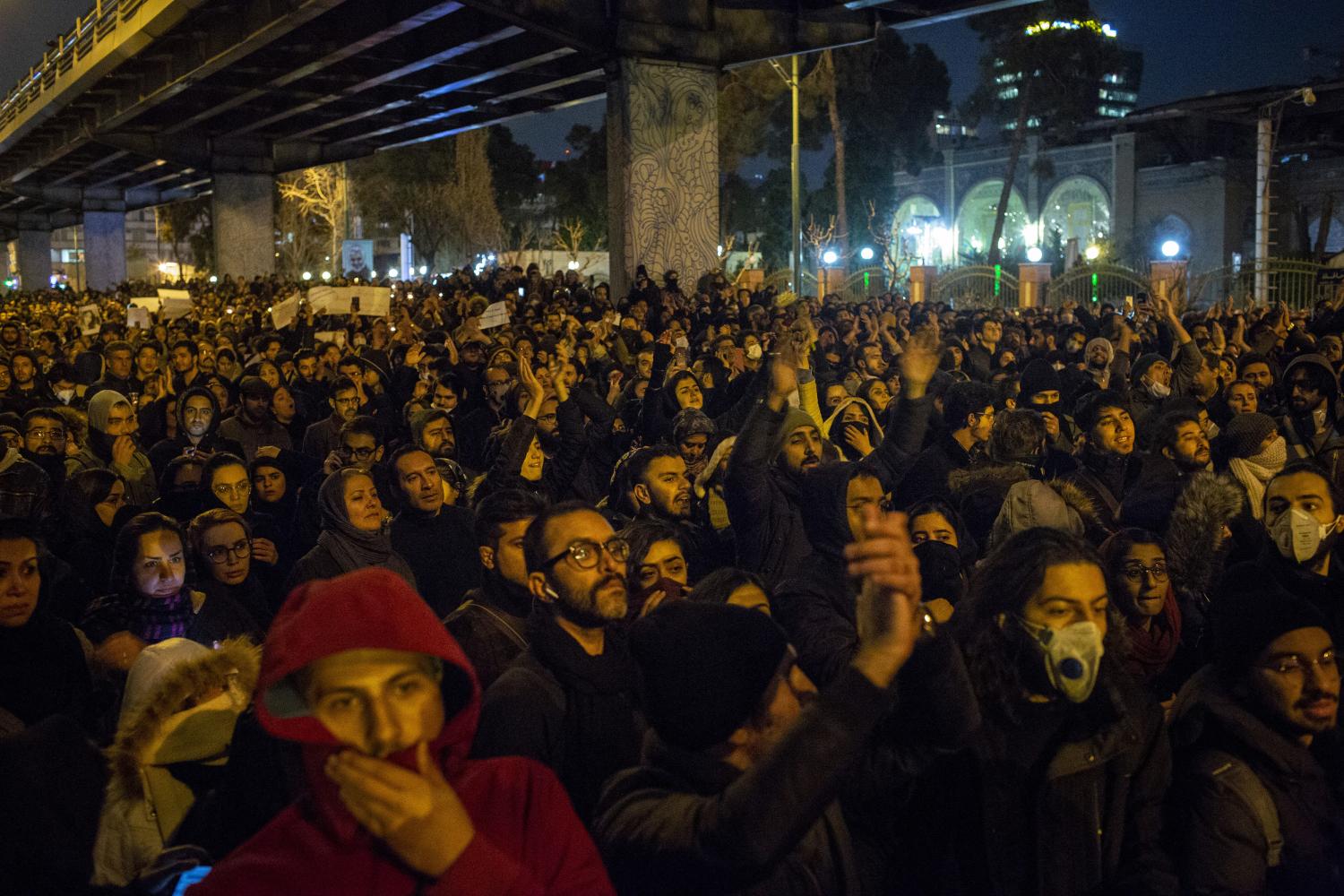
Trump’s statement caught some senior officials off guard. Many had believed strikes were still a distinct possibility, and some wondered whether the president’s remarks were intentionally ambiguous.
The comparison to June, when Trump issued noncommittal public statements shortly before ordering strikes on Iranian nuclear facilities, was not lost on those involved. The White House was quick to clarify that all options, including military ones, remained under consideration.
Press Secretary Karoline Leavitt emphasized that the administration’s message to Tehran was direct: continued killings would have consequences. At the same time, she stressed that the president was keeping his decision-making process closely held.
“The truth is only President Trump knows what he’s going to do,” she said, adding that only a very small circle of advisers had insight into his thinking.
Allies Press for De-escalation
As Washington debated its next move, U.S. allies moved quickly to press for restraint.
Israeli Prime Minister Benjamin Netanyahu spoke directly with Trump, encouraging him to delay any military action. According to sources familiar with the conversation, Israeli officials expressed skepticism that Iran’s leadership would fall quickly without a prolonged campaign. They also raised concerns about regional missile defense readiness, which had already been tested during prior confrontations.
The message carried particular weight given Netanyahu’s past advocacy for coordinated military action against Iran. This time, however, caution prevailed.
Gulf States Seek Stability
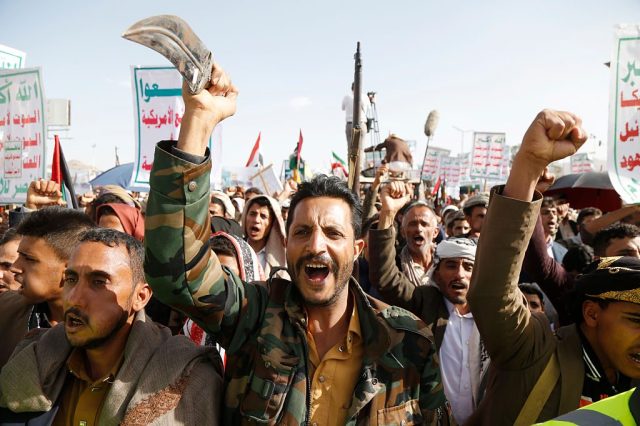
U.S. partners in the Gulf, including Saudi Arabia and Qatar, were also engaged in quiet diplomacy. They were informed in advance of certain U.S. military movements, which were intended to signal seriousness without triggering escalation.
Privately, American officials conveyed that the primary objective was not regime change or military confrontation, but an end to the killings. The president, they said, was looking for a clear signal that Iran intended to pause or halt executions.
Saudi officials publicly echoed a desire for restraint. “Everybody is watching the situation very closely,” said Adel al-Jubeir, Saudi Arabia’s Minister of State for Foreign Affairs. “Everybody is hoping that the situation can be resolved in a manner that minimizes any kind of damage.”
A Crucial Signal From Tehran
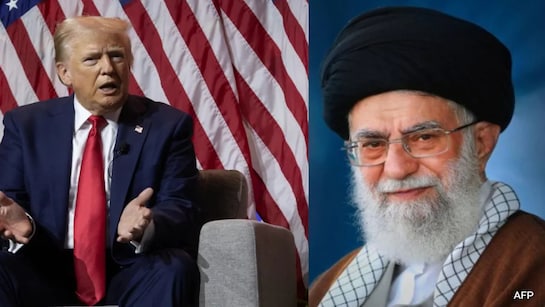
Ultimately, it was Iran’s announcement that Soltani’s execution had been postponed that appeared to shift the calculation.
Sources said the pause served as the signal Trump had been seeking — an indication, however limited, that pressure might yield results without immediate military action.
“This is good news,” Trump wrote on social media, expressing hope that the pause would continue.
White House officials later stated that hundreds of executions initially believed to be scheduled had been halted, though questions remained about whether this reflected a broader change in policy or a temporary adjustment.
Lingering Doubts and Mixed Messaging
Despite the apparent pause, uncertainty persisted. Iranian officials publicly downplayed reports of widespread executions and characterized many protesters killed during unrest as violent actors or foreign-influenced agitators.
Trump himself appeared to draw a distinction between executions carried out after arrests and deaths occurring during clashes, suggesting that while the former had been paused, the latter remained contested.
That distinction left unresolved questions about whether the underlying humanitarian crisis had truly eased.
Military Preparations Continue

Even as the administration stepped back from immediate action, preparations continued. U.S. officials emphasized that readiness was essential should conditions change.
A carrier strike group was ordered toward the region, a standard response during periods of heightened tension. Such groups include an aircraft carrier and multiple escort vessels, providing both deterrence and flexibility.
Officials stressed that maintaining military options did not imply an inevitable strike, but rather ensured the president retained leverage.
The Risks of Escalation
Inside the administration, concerns about unintended consequences weighed heavily. Intelligence assessments indicated Iran was preparing potential responses, including plans to target U.S. bases in the Middle East if strikes were carried out.
Those risks factored prominently into Trump’s deliberations. Administration officials warned that even limited military action could draw the U.S. into a longer-term commitment — something the president has repeatedly said he wants to avoid.
There was also skepticism about whether limited strikes would meaningfully shift momentum inside Iran or improve conditions for protesters.
A Delicate Balance
Iran’s leadership, too, appears to be navigating a narrow path — seeking to suppress dissent without provoking foreign intervention. That balancing act adds another layer of uncertainty to U.S. decision-making.
For now, the administration’s posture is one of watchful waiting. Military assets remain in motion, diplomatic channels remain active, and intelligence assessments continue to evolve.
What Happens Next
No final decision has been announced, and officials stress that circumstances could change rapidly. The pause in executions, while significant, may not represent a lasting shift.
What remains clear is that the episode underscores the complexity of modern crisis management — where humanitarian concerns, alliance dynamics, military risk, and political calculation intersect.
For President Trump, the choice reflects a familiar tension: applying pressure without triggering a conflict whose consequences could extend far beyond its original intent.
As the situation unfolds, the next move will depend not only on Washington, but on Tehran’s actions in the days ahead.