Eating Sprouted Potatoes: Is It Safe?
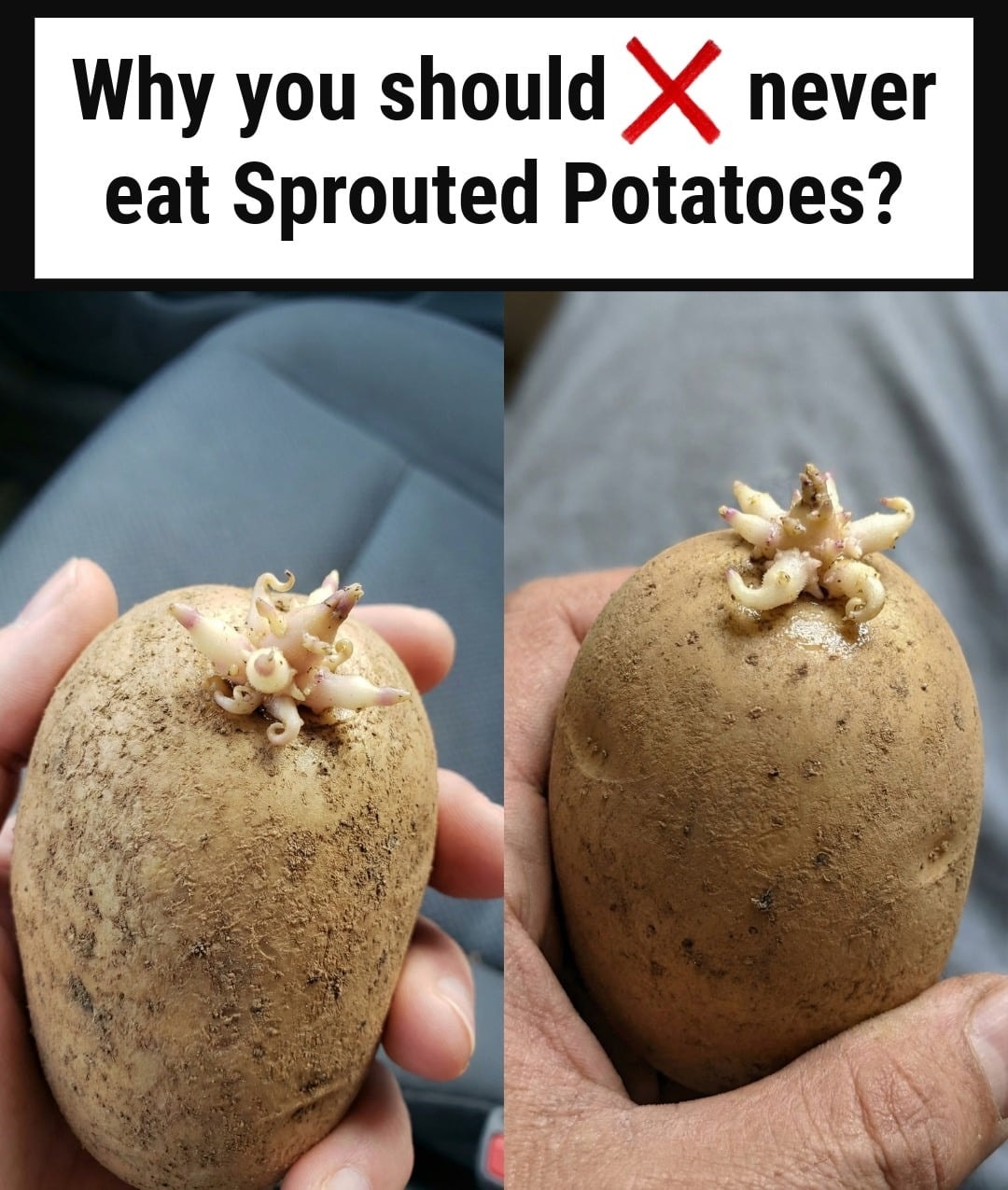
I was digging through my pantry the other day—ostensibly looking for pasta, but mostly avoiding actual responsibilities—when I came across a forgotten bag of potatoes. At first glance, everything seemed fine. Then I noticed the sprouts.
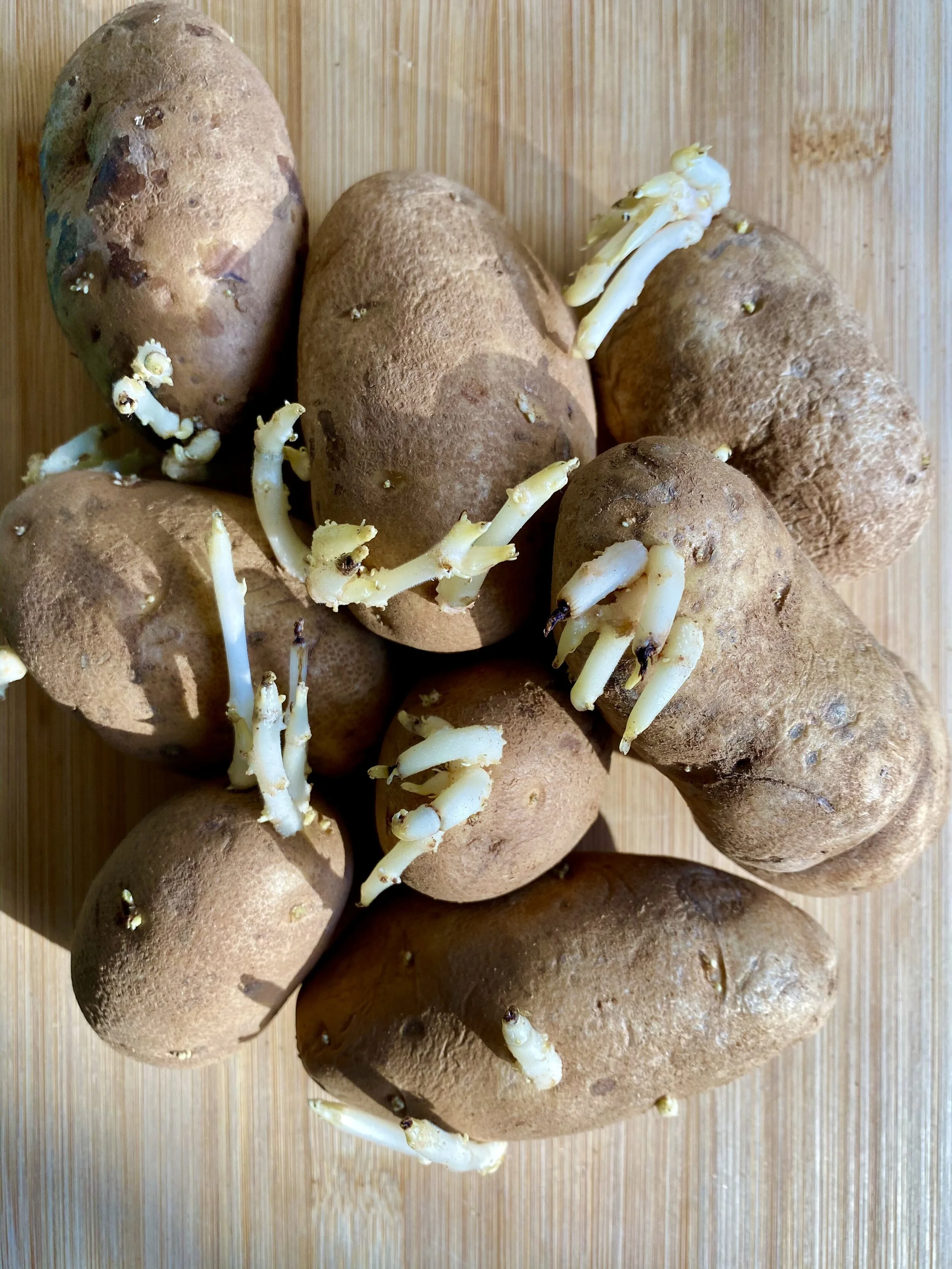
Not tiny nubs. Not subtle signs of age. These were long, pale, determined shoots, stretching out like they were actively trying to escape the bag. My immediate reaction was disgust. My second thought was more urgent: Can I still eat these, or is this a terrible idea?
As it turns out, sprouted potatoes are more complicated than most of us realize.
Why Potatoes Sprout in the First Place
Potatoes are living plant structures, even after harvest. When they’re stored for long periods—especially in warm, bright, or humid conditions—they begin preparing to grow. Sprouting is simply the potato trying to turn itself into a new plant.
From the potato’s perspective, this is normal and logical. From the human perspective, it raises questions about safety.
Sprouts Aren’t Just an Aesthetic Problem
It’s easy to assume that potato sprouts are only a cosmetic issue. They look strange, sure, but many people assume they’re harmless.
That assumption is only partly true.
When potatoes sprout, they begin to produce higher levels of compounds called glycoalkaloids, primarily solanine and chaconine. These substances are naturally occurring toxins that help protect the plant from pests. In small amounts, they’re unlikely to cause serious harm. In larger quantities, they can lead to unpleasant symptoms.
Possible effects of consuming too many glycoalkaloids include:
-
Nausea
-
Stomach discomfort or cramps
-
Headaches
-
Dizziness
In extreme cases—usually involving very high exposure—more serious reactions have been reported, though these are rare.
Does Sprouting Automatically Mean the Potato Is Unsafe?
Not necessarily.
The presence of sprouts alone doesn’t automatically make a potato unsafe to eat. What matters is how far the potato has deteriorated and how much glycoalkaloid buildup has occurred.
Here’s how to assess a sprouted potato more carefully:
Texture Matters
If the potato is still firm to the touch, that’s a good sign. A potato that has become soft, wrinkled, or rubbery has likely lost moisture and nutrients and may have higher toxin levels.
Color Is a Warning Signal
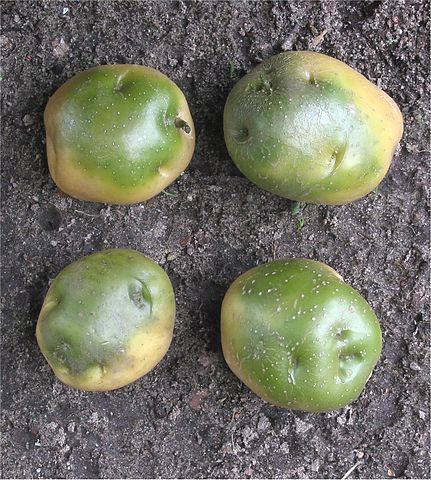
If the potato skin has turned green—especially around the sprouts—that’s a stronger indicator of glycoalkaloid buildup. Green coloration means increased solanine, and those potatoes are best avoided.
Smell and Taste Count
A bitter smell or taste is another red flag. Glycoalkaloids have a distinctly bitter flavor, and that bitterness is your body’s way of saying “don’t eat this.”
Can You Just Cut the Sprouts Off?
In some cases, yes.
If the potato is:
-
Firm
-
Mostly unblemished
-
Free from extensive green coloring
You can remove the sprouts and surrounding areas generously, then peel the potato thoroughly. Most glycoalkaloids are concentrated in the sprouts, eyes, and skin.
However, this approach only works when sprouting is minimal. Potatoes with long, thick sprouts and widespread green patches are not worth the risk.
Does Cooking Make Sprouted Potatoes Safe?
Cooking helps, but it doesn’t solve everything.
High heat can reduce some glycoalkaloid content, but it does not eliminate it entirely. Frying and baking are more effective than boiling, yet none of these methods make a heavily sprouted or green potato safe.
If the potato already shows strong warning signs, cooking will not reliably neutralize the toxins.
Who Should Be Extra Careful
Certain people may be more sensitive to glycoalkaloids, including:
-
Young children
-
Older adults
-
People with digestive sensitivities
For these groups, even moderate exposure can cause discomfort more easily, so it’s better to err on the side of caution.
When You Should Throw the Potato Away
You should discard sprouted potatoes if:
-
They are soft or shriveled
-
Large portions of the skin are green
-
Sprouts are thick, long, and widespread
-
The potato smells bitter or unpleasant
Potatoes are inexpensive and easy to replace. When in doubt, throwing one away is safer than testing your tolerance.
How to Prevent Potatoes from Sprouting Too Quickly
Prevention is easier than decision-making later. To slow sprouting:
-
Store potatoes in a cool, dark place
-
Avoid refrigeration, which can affect taste and texture
-
Keep them away from onions, which release gases that speed sprouting
-
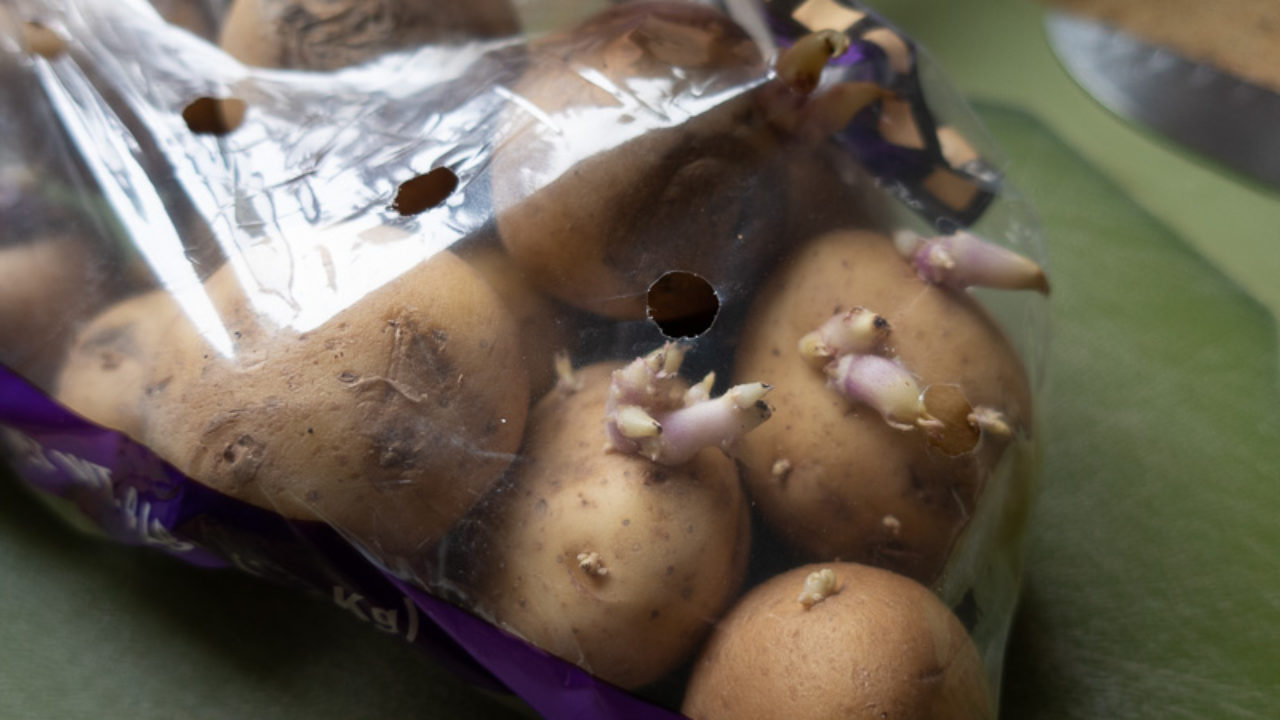
Use breathable bags instead of sealed plastic
Proper storage can significantly extend their usable life.
The Bottom Line
Sprouted potatoes aren’t automatically dangerous, but they aren’t something to ignore either. A lightly sprouted, firm potato can often be salvaged with careful trimming and peeling. A soft, green, heavily sprouted one should go straight into the trash.
The key is understanding that sprouts are a sign of chemical change, not just age.
So the next time you uncover a bag of potatoes that looks like it’s auditioning for a science-fiction movie, pause before cooking. A quick inspection can tell you whether dinner is still on—or whether it’s time to buy a fresh bag and call it a learning experience.