On a quiet morning at a wildlife sanctuary, a large bear stepped into sunlight and paused, as if discovering the world anew. Water shimmered nearby, earth waited to be explored, and space finally existed to move freely. Stories like this resonate deeply because they echo ancient myths, cultural beliefs, and modern scientific understanding of animals as thinking, feeling beings. The story of Bear Caesar is not only about one animal’s journey but also about humanity’s evolving relationship with nature, compassion, and curiosity.
This article explores Bear Caesar’s story through a balanced lens. It looks at cultural traditions and myths surrounding bears, examines scientific insights into bear intelligence and welfare, and reflects on how changing knowledge influences ethical choices. Extraordinary details are framed as interpretation and reflection rather than absolute claims, ensuring a responsible and thoughtful discussion.
Bears in Myth and Cultural Imagination
Across civilizations, bears have long symbolized strength, endurance, and wisdom. In Roman culture, powerful leaders were often compared to formidable animals, while in East Asian folklore, bears appear as guardians of forests and symbols of transformation. Indigenous stories from North America portray bears as teachers, healers, and figures of deep respect.
These cultural narratives highlight a long-standing human fascination with bears. They are seen not merely as wildlife, but as beings that mirror human qualities such as resilience and patience. Such symbolism helps explain why stories about individual bears, like Caesar, capture public attention. They tap into shared myths that frame bears as noble and emotionally significant creatures.
At the same time, traditions involving animals have varied widely. Some cultural practices developed in historical contexts where scientific understanding of animal biology and welfare was limited. Modern perspectives increasingly revisit these traditions, asking how ancient beliefs can coexist with contemporary ethics and evidence-based knowledge.
Bear Caesar’s Story: From Confinement to Care
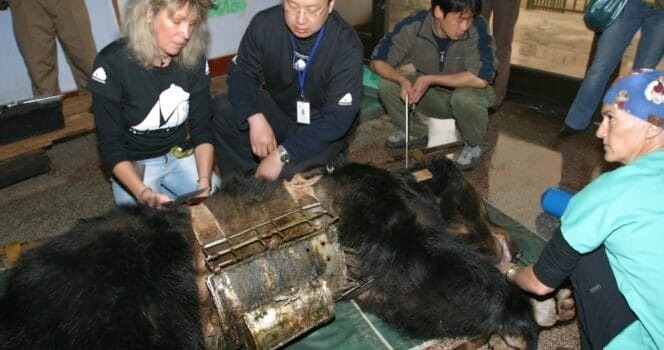
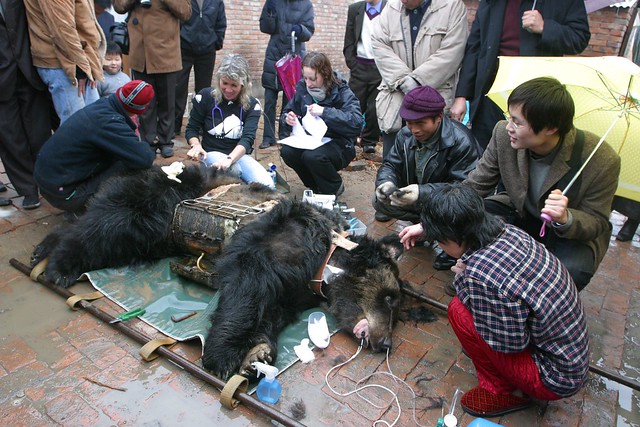
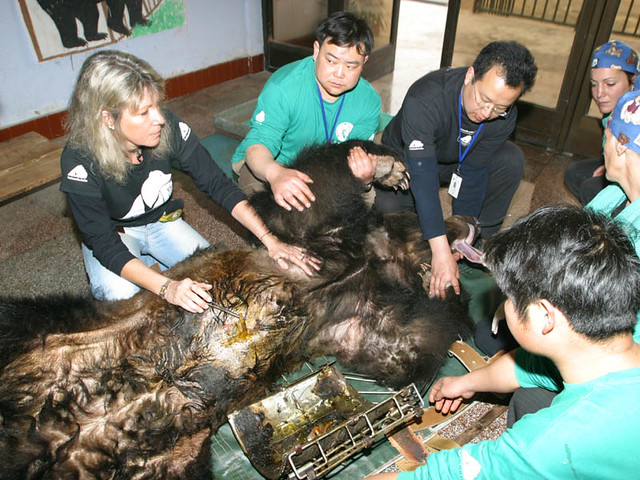
Bear Caesar’s life began in circumstances that offered little room for natural behavior. For years, she lived in restricted conditions on a farm associated with traditional practices. Observers and advocates later described the equipment used to limit her movement as extremely restrictive, emphasizing how far removed it was from a bear’s natural environment.
In 2004, animal welfare advocates from Animals Asia intervened. Caesar was among several bears relocated to a sanctuary designed to prioritize recovery and natural living. Caretakers focused on gradual rehabilitation, providing medical attention, space, and enrichment that allowed her to express instinctive behaviors such as swimming, digging, and resting in the sun.
Over time, Caesar’s appearance and demeanor changed. Reports from the sanctuary described her as strong, alert, and increasingly confident. While any interpretation of animal emotion remains partly speculative, behavioral observations suggested improved well-being. Her story became a symbol of what can happen when animals are given environments aligned with their biological needs.
Scientific Perspectives on Bear Intelligence and Behavior
Modern science provides valuable insight into why environments matter so deeply for bears. Research on American black bears and other species has shown advanced cognitive abilities, including problem-solving skills and memory. Some studies suggest bears can distinguish quantities and adapt their behavior based on experience, indicating a level of intelligence once underestimated.
Bears also have complex emotional lives, at least as inferred from behavior and physiology. Stress indicators, such as changes in appetite or repetitive movements, often decrease when bears are placed in enriched, spacious settings. While scientists avoid attributing human emotions directly to animals, the evidence supports the idea that bears benefit significantly from conditions that allow choice, exploration, and social interaction when appropriate.
Caesar’s transformation aligns with these findings. Her increased activity, healthy coat, and engagement with her surroundings are consistent with improved physical and psychological health observed in other rescued wildlife.
Cultural Practices and Scientific Reassessment
Traditional practices involving wildlife have long histories, often rooted in symbolic or medicinal beliefs. In recent decades, scientific research has offered alternative approaches that reduce reliance on animal-derived materials. This shift reflects a broader reassessment of how cultural heritage can adapt in light of new evidence.
In several regions, regulations have changed to limit or prohibit equipment and practices once considered acceptable. According to animal welfare organizations, certain restrictive devices are now illegal, indicating progress toward higher standards of care. These changes do not negate cultural history but rather demonstrate how traditions can evolve responsibly.
Caesar’s story is often cited by advocates as an example of why such reassessment matters. It encourages dialogue rather than condemnation, emphasizing education, compassion, and science-based solutions.
Life at the Sanctuary: Recovery and Routine
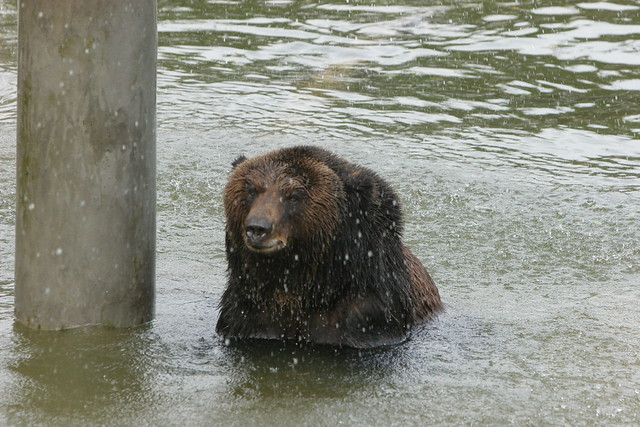
At the sanctuary in Chengdu, daily life was designed to resemble a natural habitat as closely as possible. Pools allowed for swimming, shaded areas offered rest, and varied terrain supported exploration. Caretakers observed Caesar enjoying seasonal changes, particularly cooler autumn days that encouraged digging and foraging behaviors.
Staff members described moments of awe when watching her move freely, shake off water after a swim, or bask in sunlight. These observations, while anecdotal, align with established animal welfare principles that prioritize autonomy and environmental complexity.
Caesar lived many years in this setting, becoming a familiar and respected presence. Her size and calm confidence inspired both visitors and caregivers, reinforcing the idea that recovery is possible even after prolonged hardship.
A Thoughtful Look at Health and Long-Term Impact
Later in life, Caesar faced serious health challenges. Caretakers reported the development of a severe illness, which they associated with long-term physical stress experienced earlier in her life. While direct causation is difficult to establish scientifically, veterinarians acknowledge that prolonged strain and compromised health can have lasting effects.
Her condition served as a reminder that recovery, while meaningful, does not erase the past entirely. Nonetheless, her years at the sanctuary were marked by comfort, care, and dignity. For many supporters, this balance matters deeply. It highlights both the resilience of animals and the responsibility humans carry to prevent future harm.
Why Caesar’s Story Matters Today
Estimates suggest that thousands of bears worldwide remain in confined environments linked to outdated practices. Stories like Caesar’s help personalize complex issues, transforming statistics into relatable narratives. They also encourage global cooperation among scientists, policymakers, and animal welfare groups.
Importantly, Caesar’s journey avoids simplistic conclusions. It does not portray humans as uniformly harmful or heroic. Instead, it reflects a spectrum of choices, knowledge, and values that continue to evolve. This nuanced approach supports constructive dialogue rather than division.
Reflection on Human Curiosity and Compassion
Human curiosity has always driven exploration, myth-making, and scientific discovery. That same curiosity now invites reflection on how our actions affect other beings. Bear Caesar’s story sits at the intersection of myth, culture, and science, reminding us that knowledge grows and ethics can mature alongside it.
By listening to stories, examining evidence, and remaining open to change, societies can honor tradition while embracing compassion. In doing so, humanity reaffirms its role not as a conqueror of nature, but as a thoughtful participant within it.
Sources
The Animal Club
www.theanimalclub.net
Animals Asia Foundation
https://www.animalsasia.org
The Dodo
https://www.thedodo.com