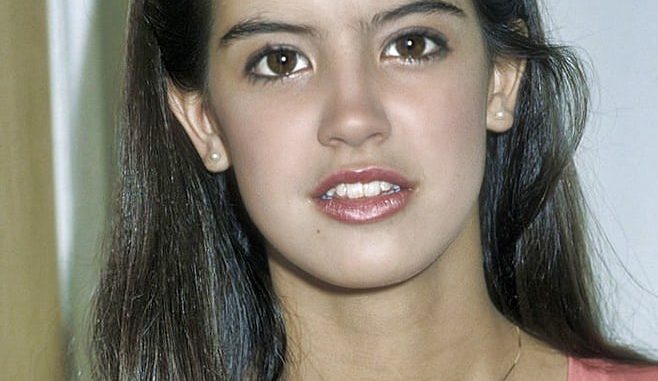
Phoebe Cates was one of the most recognizable film stars of the 1980s and early 1990s. Known for her roles in popular coming-of-age films and mainstream comedies, she appeared regularly on movie screens for more than a decade before quietly stepping away from Hollywood. Unlike many celebrity exits, her departure was not marked by controversy or scandal, but by a deliberate choice to pursue a different life.
So what has Phoebe Cates been doing since leaving the film industry, and why did she decide to step away at the height of her popularity?
Early Life and Family Background
Phoebe Belle Cates was born on July 16, 1963, in New York City. She grew up in a family with strong ties to the entertainment industry. Her father, Joseph Cates, was a Broadway producer and television pioneer who worked on major productions, including nationally televised events. This environment exposed her to performance and creative work from an early age.
Cates attended several prestigious schools, including the Professional Children’s School and the Juilliard School, before continuing her education at the Hewitt School in Manhattan. Although she would later become known as a film actress, her original passion was dance.
From Ballet Aspirations to Modeling
As a teenager, Cates trained in ballet with the intention of pursuing a professional dance career. However, a serious knee injury ended those plans, forcing her to reconsider her future. Following this setback, she transitioned into modeling, a path that was common for young performers in New York at the time.
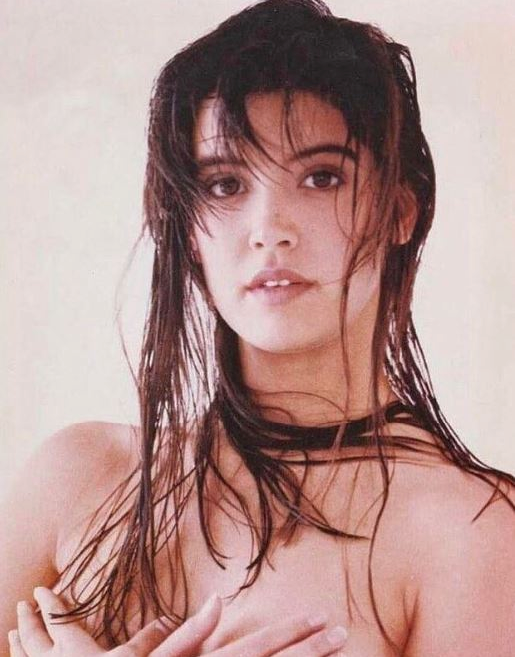
She appeared in well-known fashion magazines during her teenage years, gaining public attention before ever stepping in front of a movie camera. While modeling provided financial stability, Cates later acknowledged in interviews that it was not her long-term ambition.
Transition to Film and Rise to Fame
Phoebe Cates made her film debut in 1982. That same year, she gained widespread recognition for her role in Fast Times at Ridgemont High, a film that would later be regarded as a landmark in American coming-of-age cinema. The movie featured several young actors who would go on to successful careers and was eventually selected for preservation in the United States National Film Registry due to its cultural significance.
Throughout the 1980s, Cates appeared in a variety of films, balancing comedic roles with more dramatic performances. She starred in Gremlins (1984) and its sequel Gremlins 2: The New Batch (1990), both commercially successful films that introduced her to an even wider audience.
She also worked in projects such as Private School, Shag, Big City, and Date with an Angel. While not all of these films were box office hits, they demonstrated her versatility and steady presence in Hollywood during that era.
Theatre Work and Creative Preferences
Despite her success in film, Phoebe Cates frequently expressed a preference for stage work. Coming from a family deeply rooted in theater, she found live performance more creatively fulfilling. During the 1980s, she appeared in off-Broadway productions and made her Broadway debut in The Tenth Man.
In interviews, Cates explained that she valued the complexity of theater roles and the collaborative nature of stage performance. She also noted that meaningful opportunities for women were often more accessible in theater than in mainstream film at the time.
Later Film Roles and Cult Recognition
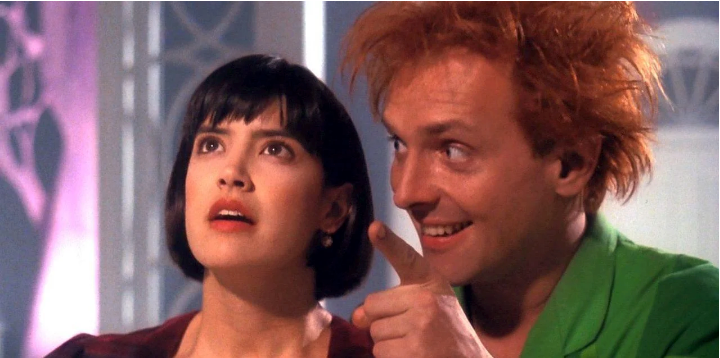
In the early 1990s, Cates starred in Drop Dead Fred (1991), a film that initially received mixed reviews but later developed a dedicated fan base. Over time, the movie gained cult status, and her performance has remained a frequent point of discussion among fans of 1990s cinema.
Her final leading film role came in Princess Caraboo (1994), a historical comedy based on real events. After this project, her on-screen appearances became increasingly rare.
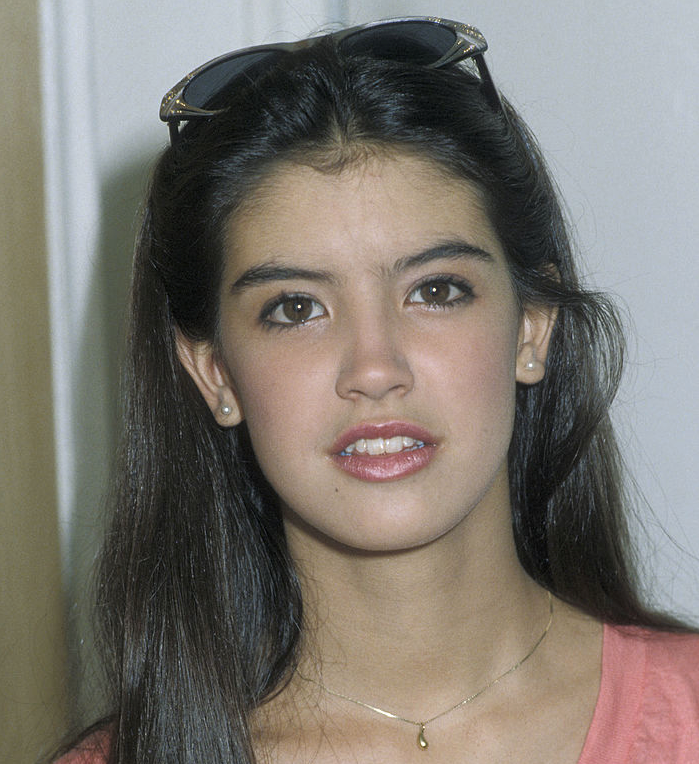
Marriage, Family, and a Deliberate Shift in Priorities
Phoebe Cates married actor Kevin Kline in 1989. The couple met earlier in the decade while working in the same professional circles and have since maintained a notably private family life. They have two children, born in 1991 and 1994.
By the mid-1990s, Cates made the decision to step away from regular acting work in order to focus on raising her family. This choice has been widely documented and confirmed through interviews and public records. Unlike many performers who leave the industry involuntarily, her departure was intentional and stable.
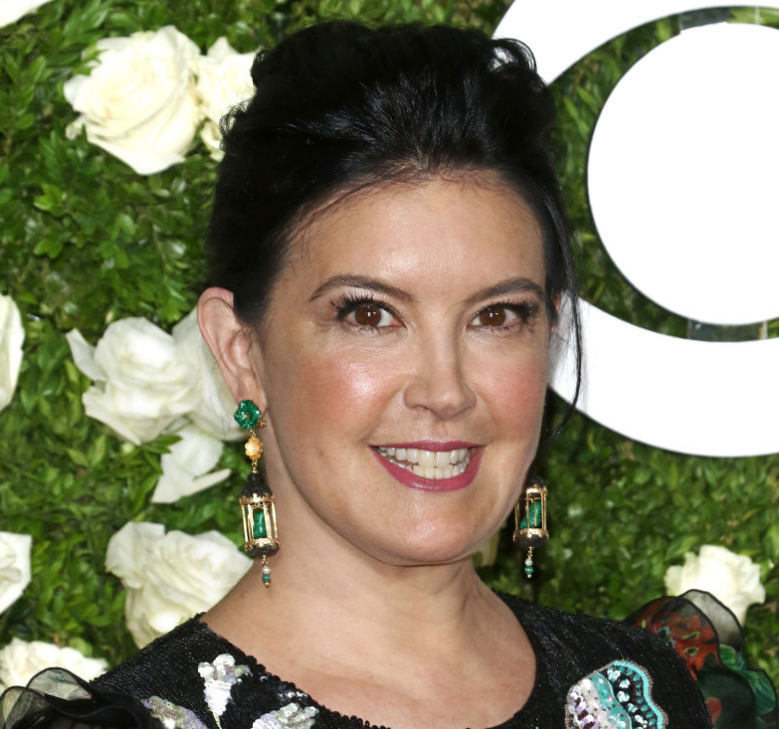
Life Beyond Acting: Business and Creative Ventures
In 2005, Cates opened a boutique called Blue Tree on Madison Avenue in New York City. The store offers a curated selection of clothing, books, accessories, home goods, and gifts. The business has received positive attention for its thoughtful aesthetic and independent spirit.
Blue Tree reflects Cates’s creative interests and entrepreneurial approach, allowing her to remain active in the arts without returning to the demands of Hollywood.
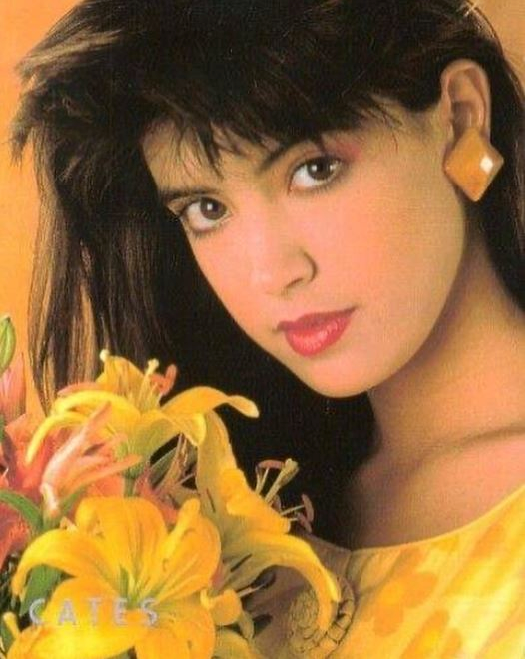
Occasional Returns to Entertainment
Although she largely retired from acting, Phoebe Cates has made occasional appearances in projects connected to long-standing professional relationships. In 2001, she appeared briefly in The Anniversary Party, directed by her longtime friend and former co-star Jennifer Jason Leigh.
She also reprised her role as Kate Beringer through voice work in the 2015 video game Lego Dimensions, marking her most recent involvement with a major entertainment franchise.
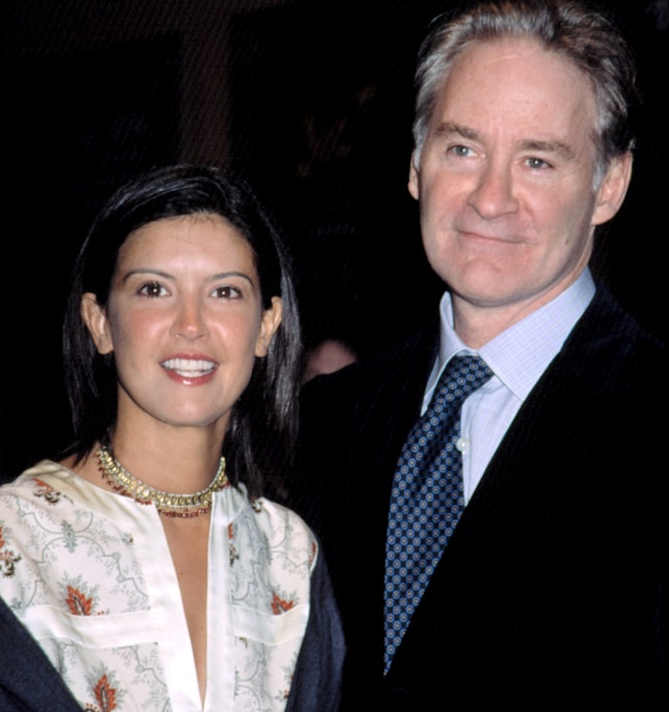
A Life Defined by Choice, Not Disappearance
Phoebe Cates’s story stands out in an industry where many former child and teen stars struggle to find stability later in life. Her transition away from fame was gradual, intentional, and grounded in personal priorities rather than professional setbacks.
Today, she is widely regarded as an example of an artist who successfully defined her own path beyond Hollywood. While she remains a nostalgic icon for many film fans, her life after stardom reflects balance, privacy, and creative independence.
Her legacy continues through her work, her business ventures, and the enduring popularity of the films that made her a household name.