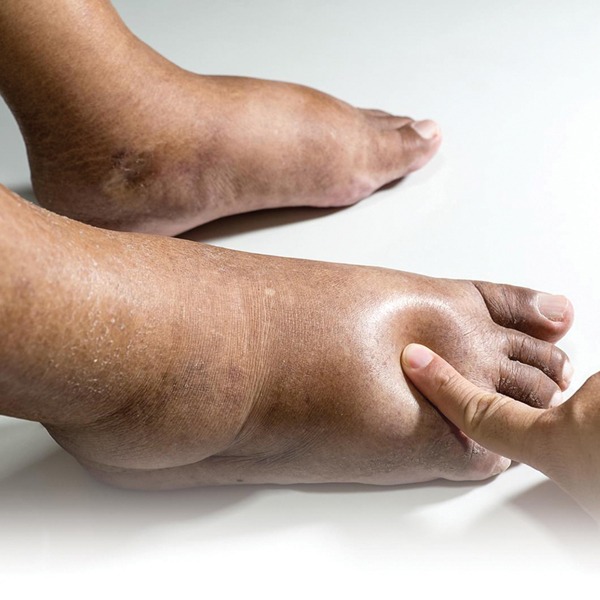
How Sleeping in the Wrong Position Can Affect Your Legs More Than You Realize
Sleep is often described as the body’s natural repair system. During those quiet hours, muscles relax, circulation resets, and the nervous system recalibrates. But while many people focus on how long they sleep, far fewer consider how they sleep. Over time, poor sleeping posture can quietly strain the body—especially the legs—leading to discomfort, swelling, numbness, and recurring muscle cramps.
These symptoms are often dismissed as temporary or blamed on daytime activity. In reality, the way you position your body for six to eight hours each night can play a significant role in leg health.
Understanding the connection between sleep posture and leg function can help prevent long-term discomfort and improve overall physical well-being.
Why Sleep Position Matters for Leg Health
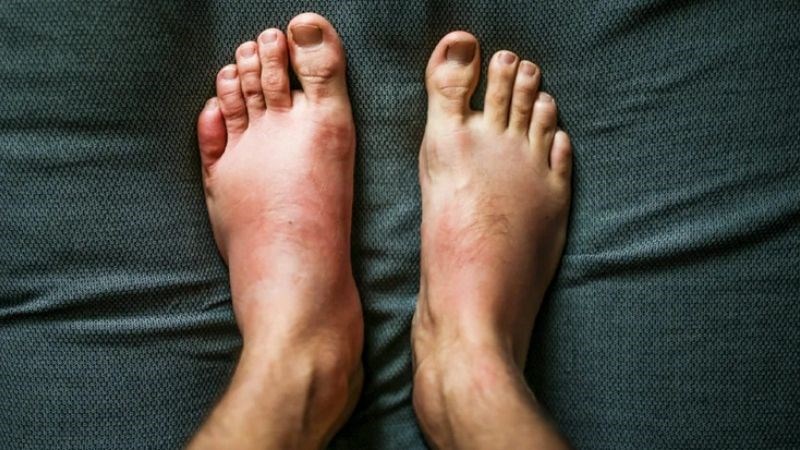
When you sleep, your body remains relatively still for an extended period. This immobility makes posture especially important. Blood circulation, nerve signaling, and muscle relaxation all depend on balanced alignment.
Poor sleeping positions can:
-
Restrict blood flow to the lower limbs
-
Compress nerves running through the hips and thighs
-
Place uneven pressure on muscles and joints
-
Interfere with lymphatic drainage
Over time, these factors can contribute to symptoms such as leg swelling, tingling sensations, nighttime cramps, or a heavy feeling in the legs upon waking.
Leg Swelling (Edema) and Sleeping Posture
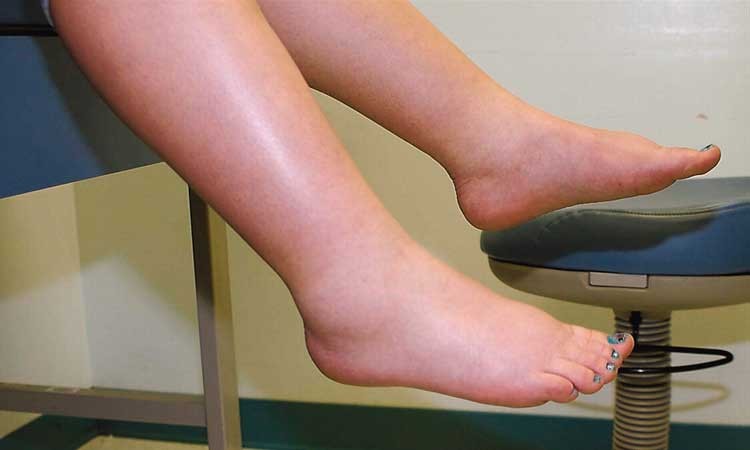
One of the most common leg-related issues linked to sleep posture is edema, or swelling caused by fluid retention.
When legs are positioned lower than the heart for long periods—especially when sleeping flat on the back without elevation—fluid can pool in the lower extremities. This effect may be more noticeable in people who:
-
Sit or stand for long hours during the day
-
Have circulation challenges
-
Experience hormonal changes
-
Are sensitive to salt or dehydration
Sleeping with legs bent awkwardly or pressed tightly together can also slow venous return, making it harder for blood and fluids to travel back toward the heart.
Morning leg puffiness, tight skin, or sock marks that linger may all signal posture-related fluid buildup during sleep.
Numbness and Tingling: A Sign of Nerve Compression
Waking up with a numb or “pins and needles” sensation in the legs is often linked to nerve compression during sleep.
Certain positions increase pressure on major nerves, including those that run through the hips, knees, and calves. Common contributors include:
-
Sleeping on one side with legs tightly crossed
-
Curling the legs sharply toward the chest
-
Lying on one hip without proper support
When nerves are compressed for hours, signals between the brain and legs can become temporarily disrupted. This may cause tingling, reduced sensation, or weakness upon waking.
Although occasional numbness usually resolves quickly, repeated episodes may indicate that your sleeping posture is consistently placing stress on nerve pathways.
Nighttime Leg Cramps and Muscle Tension

Muscle cramps during sleep—particularly in the calves and feet—can be painful and disruptive. While hydration and mineral balance play a role, sleeping posture is often an overlooked factor.
Poor alignment can keep leg muscles in a shortened or strained position for extended periods. Over time, this tension increases the likelihood of involuntary muscle contractions.
Positions that may contribute to cramps include:
-
Sleeping with toes pointed downward
-
Keeping knees bent sharply without support
-
Allowing feet to hang off the edge of the mattress
When muscles cannot fully relax, they are more prone to sudden tightening, especially during transitions between sleep stages.
Circulation Issues Linked to Sleep Alignment
Healthy circulation depends on unobstructed blood flow through veins and arteries. Certain sleeping positions can unintentionally reduce circulation in the legs.
For example, sleeping on the stomach with legs twisted outward may compress blood vessels behind the knees. Side sleeping without knee support can also place pressure on veins along the inner thighs.
Reduced circulation may cause:
-
A heavy or tired feeling in the legs
-
Cold feet during the night
-
Restlessness or frequent repositioning
-
Discomfort that improves after movement
Over time, chronic circulation disruption can worsen swelling and contribute to long-term leg fatigue.
The Role of Mattresses and Pillows
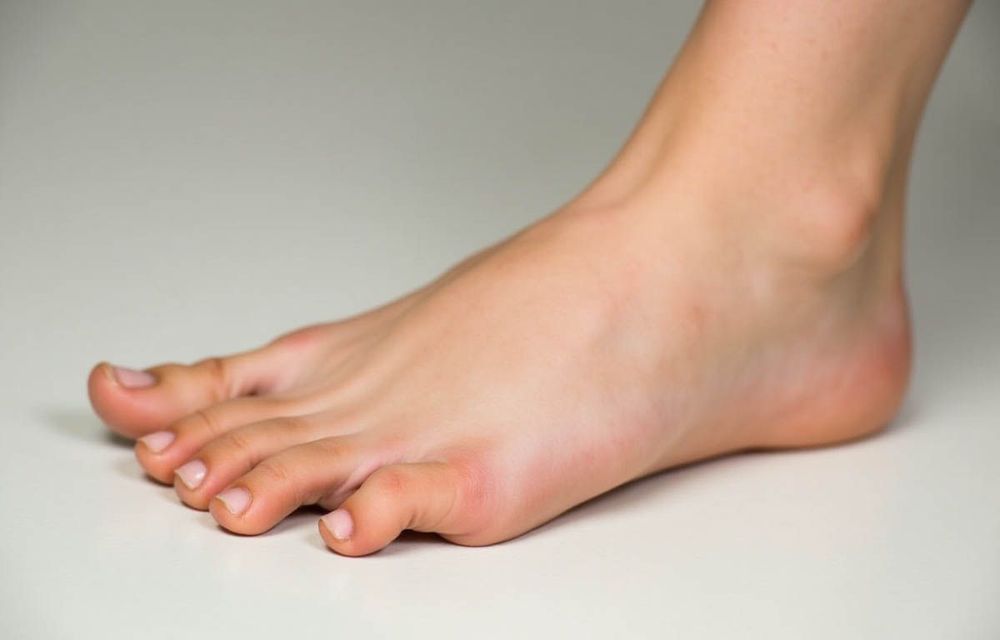
Even a “neutral” sleeping position can become harmful if the mattress or pillow does not support proper alignment.
A mattress that is too soft may allow hips to sink, causing the legs to rotate inward or outward unnaturally. A mattress that is too firm may increase pressure points, especially along the thighs and calves.
Similarly, the absence of leg or knee support can force muscles and joints to compensate throughout the night.
Supportive bedding helps maintain:
-
Natural spine and hip alignment
-
Balanced weight distribution
-
Relaxed muscle positioning
This support is particularly important for side sleepers, who place more lateral pressure on the legs.
Health Conditions That Can Be Worsened by Poor Sleep Posture
While poor posture can affect anyone, certain individuals may be more sensitive to its effects. Sleeping positions that strain the legs can worsen symptoms in people with:
-
Circulatory sensitivity
-
Joint stiffness
-
Muscle fatigue from physical work
-
Mild nerve compression issues
In these cases, symptoms such as swelling, cramps, or tingling may appear more frequently or take longer to resolve.
Improving sleep posture does not replace medical care, but it can significantly reduce daily discomfort.
Healthier Sleeping Positions for Your Legs
Small adjustments to sleep posture can make a noticeable difference in leg comfort and circulation.
Helpful practices include:
-
Sleeping on the back with legs slightly elevated using a pillow
-
Side sleeping with a pillow placed between the knees
-
Keeping feet relaxed and supported, not pointed downward
-
Avoiding tightly crossed or sharply bent leg positions
The goal is to keep legs aligned with the hips and spine, allowing muscles and blood vessels to remain relaxed.
When to Pay Attention to Persistent Symptoms
Occasional leg discomfort after sleep is common. However, recurring symptoms may indicate that posture is consistently stressing the legs.
Consider reviewing your sleep position if you notice:
-
Swelling that appears most mornings
-
Frequent nighttime cramps
-
Regular numbness or tingling in the legs
-
Stiffness that improves only after extended movement
Addressing sleep posture early can help prevent these issues from becoming part of a daily cycle.
Sleep as a Foundation for Leg Health
Leg health is often associated with exercise, movement, and daytime habits. Yet sleep plays an equally important role. For nearly one-third of each day, your legs rely on proper positioning to rest, recover, and maintain healthy circulation.
By paying attention to how you sleep—not just how long—you give your body the conditions it needs to function smoothly. Over time, better sleep posture can mean lighter legs in the morning, fewer cramps at night, and greater overall comfort throughout the day.
Sometimes, the simplest health improvements begin with small, quiet changes—starting with the way you rest.