
She began singing almost as soon as she could speak. By the time she reached her early teens, she was already writing her own songs, quietly shaping a voice that would later resonate across continents. To the world, she would become one of the most recognizable vocalists of her generation. Privately, her journey was marked by deep personal struggles, resilience, and an unrelenting drive to turn pain into art. That journey belonged to Dolores O’Riordan, the unmistakable voice behind The Cranberries.

Many critics and fans regard her as one of the most influential female vocalists in modern music history. Whether or not one accepts that title, it is difficult to deny the emotional reach of her work. Her voice carried vulnerability, defiance, tenderness, and strength all at once. For listeners who grew up with her music, her songs were not just background soundtracks but emotional landmarks tied to memory, identity, and growth.
Dolores Mary Eileen O’Riordan was born on September 6, 1971, in Ballybricken, County Limerick, Ireland. She was the youngest of nine children in a deeply religious Roman Catholic family. Her upbringing took place in a rural setting shaped by folklore, tradition, and quiet isolation. Life at home was modest. Her father, Terence, had worked as a farm laborer before a serious motorbike accident left him with long-term health challenges, while her mother, Eileen, worked as a school caterer to support the family.
Despite financial limitations, O’Riordan often described her early childhood as emotionally rich and imaginative. She found companionship in nature, animals, and music. In later interviews, she spoke fondly of long walks in the countryside and of singing not for an audience, but simply because it felt natural. Music was not a career choice at first; it was a refuge.
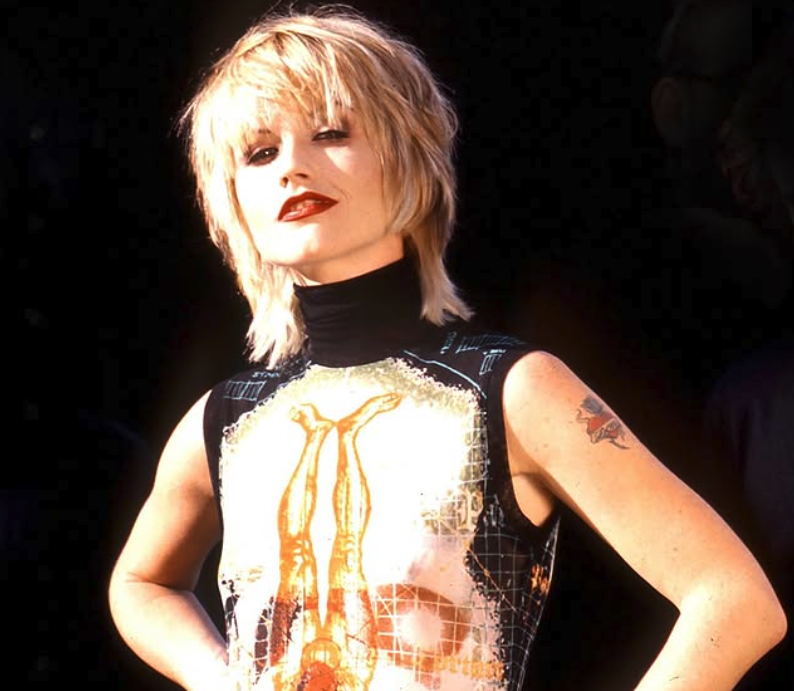
Her talent emerged early. Teachers noticed her ability almost immediately, and by the age of five she was already performing in school settings. She began learning traditional Irish songs and played the tin whistle, absorbing the sounds and rhythms of her cultural environment. When a fire destroyed the family home during her childhood, the surrounding community came together to help rebuild, reinforcing a sense of collective support that would stay with her throughout life.
As she entered her teenage years, O’Riordan’s life became more structured and demanding. Her routine revolved around school, church, and music lessons. She later described herself as resistant to traditional expectations placed on young girls, preferring independence and self-expression. Friends from that period remembered her as energetic, outspoken, and deeply kind, with a presence that made her stand out even before fame entered the picture.
Despite her obvious talent, there was no clear path laid out for her. Her mother hoped she might pursue a stable profession, perhaps teaching music, while others suggested religious life or study abroad. O’Riordan, however, felt compelled to follow her own direction. At 18, she left home determined to build a life through music, even though it meant living with uncertainty and limited resources.
That turning point led her to a small local band called The Cranberry Saw Us, which was searching for a lead singer in 1990. When she arrived at the audition with original songs and a distinctive vocal style, the band members were immediately struck by her presence. Guitarist Noel Hogan later recalled being astonished that such a powerful voice belonged to someone so young and unassuming. The band soon shortened its name to The Cranberries, and O’Riordan became its defining force.

In the early days, she was shy on stage, sometimes performing with her back turned to the audience. Yet the honesty of her delivery and the unmistakable Irish inflection in her voice connected instantly with listeners. There was no elaborate image or manufactured persona. What audiences heard and saw felt genuine, and that authenticity became one of the band’s greatest strengths.
The Cranberries rose rapidly during the early 1990s, a period defined by alternative rock’s global expansion. Their debut album, Everybody Else Is Doing It, So Why Can’t We?, released in 1993, featured songs like “Linger” and “Dreams,” which blended melodic guitar work with O’Riordan’s ethereal vocals. The album sold millions worldwide, followed closely by No Need to Argue in 1994, which further cemented their international success.
Sudden global recognition came at a cost. O’Riordan later reflected on how achieving fame at such a young age meant sacrificing the ordinary experiences many people take for granted. Public scrutiny, constant touring, and high expectations created intense pressure. Still, she remained committed to artistic integrity, often using music to address broader social and political themes.
One of the band’s most powerful songs, “Zombie,” was written in response to a real-world tragedy and marked a turning point in their sound. Despite initial resistance from their record label, O’Riordan insisted on releasing it, believing it was important to confront difficult realities through music rather than avoid them. That conviction helped define her reputation as an artist unafraid to speak honestly.

Away from the spotlight, O’Riordan’s personal life was complex. She married Don Burton in 1994, and the couple later moved to Canada, where they raised three children. Motherhood became a grounding force for her. She often said that her children helped her regain balance and perspective, giving her reasons to slow down and focus on healing.
Throughout her adult life, O’Riordan was open about experiencing mental health challenges. She spoke candidly about periods of emotional distress, disordered eating, and the long-term effects of early-life trauma. Importantly, she framed these experiences not as defining failures, but as realities she worked to manage while continuing to create, perform, and care for her family.
The late 1990s and early 2000s brought further challenges. Exhaustion forced the band to cancel tours, and while later albums did not match their early commercial success, The Cranberries maintained a loyal global following. Their music evolved, becoming more direct and raw, reflecting both personal and artistic growth.
After a brief hiatus, the band reunited in 2009 and released Roses in 2012, an album widely praised for its maturity and emotional depth. O’Riordan continued to perform, collaborate, and explore music in different forms, even as she navigated ongoing personal difficulties.
On January 15, 2018, Dolores O’Riordan died in London at the age of 46. An inquest later concluded that her passing was accidental. The news sent shockwaves through the music world, prompting tributes from artists, fans, and critics who recognized the depth of her influence.
Those who worked closely with her emphasized her honesty above all else. She did not separate her art from her lived experience. What listeners heard in her voice was real, unfiltered emotion, shaped by joy, sorrow, strength, and vulnerability. That sincerity is what continues to draw new generations to her music.
Dolores O’Riordan left behind more than albums and chart success. She left a body of work that gave voice to complex feelings many struggle to articulate. Long after the final notes fade, her name continues to be spoken, sung, and remembered — a testament to an artist whose impact endures far beyond her lifetime.