
In recent weeks, a dramatic claim has circulated online suggesting that an “emergency disqualification” had suddenly swept through the U.S. Congress following a statement attributed to Alexandria Ocasio-Cortez, commonly known as AOC. According to the viral narrative, a single declaration allegedly triggered a constitutional crisis, resulting in lawmakers being stripped of authority and removed from office. While the story spread rapidly across social media, none of these events actually occurred.
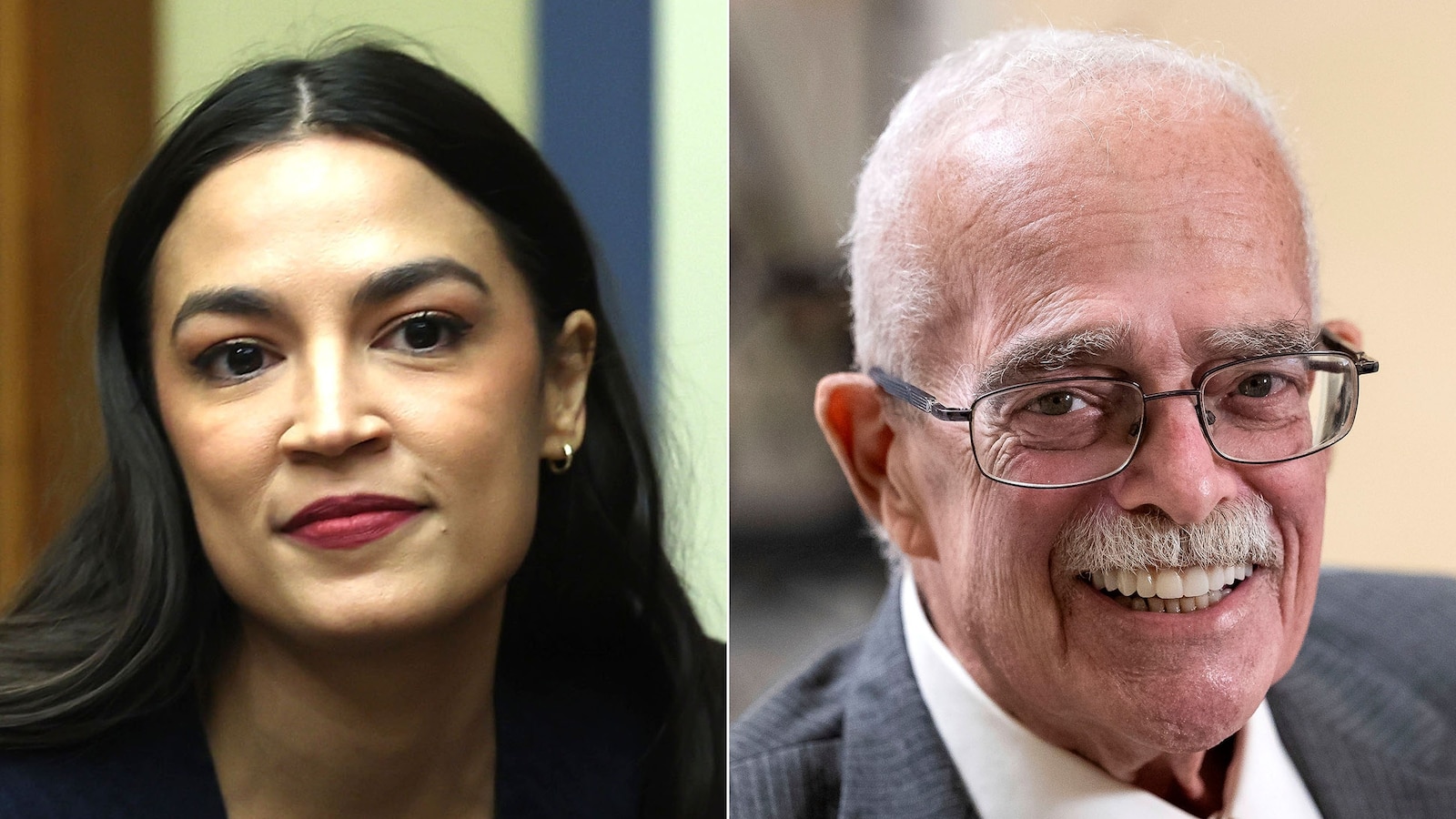
A closer examination shows that the claim is entirely unfounded and based on a series of factual inaccuracies, misunderstandings of U.S. constitutional law, and exaggerated political rhetoric.
First, it is important to clarify a basic but critical error. Alexandria Ocasio-Cortez is not a senator. She is a member of the U.S. House of Representatives, elected to represent New York’s 14th congressional district. She does not hold the authority to introduce or activate emergency statutes, nor can a single lawmaker unilaterally remove other members of Congress from office. Any claim suggesting otherwise reflects a misunderstanding of how the U.S. government functions.
Equally important, there has been no emergency statute passed that disqualifies naturalized or dual citizens from holding congressional office. The U.S. Constitution clearly outlines eligibility requirements for members of Congress. To serve in the House of Representatives, an individual must be at least 25 years old, have been a U.S. citizen for at least seven years, and reside in the state they represent. For the Senate, the requirements are age 30, nine years of U.S. citizenship, and state residency.

Naturalized citizens are explicitly permitted to serve in Congress under the Constitution. The only federal office restricted to natural-born citizens is the presidency. Any attempt to remove lawmakers solely on the basis of naturalized status would be unconstitutional and would require a constitutional amendment, a lengthy process involving supermajorities in Congress and ratification by the states.
The viral story also claims that multiple representatives were immediately stripped of authority, locked out of congressional systems, and escorted from the Capitol by security officers. There is no evidence to support this. No credible news organization, congressional record, or official statement from Capitol authorities has reported such actions. Congressional removals do not happen instantly or quietly; they involve formal procedures, votes, legal challenges, and extensive public documentation.
In reality, removing a sitting member of Congress is extremely rare and legally complex. The Constitution allows each chamber to discipline its own members, including expulsion, but doing so requires a two-thirds vote of that chamber. Historically, expulsions have occurred only in cases involving serious criminal conduct, such as treason or corruption, and even then, the process is deliberate and transparent.
The claim that a competing bill was immediately introduced to enforce a more aggressive wave of removals is also unsupported by the public legislative record. All bills introduced in Congress are publicly logged, assigned numbers, referred to committees, and debated. No such bill exists proposing mass disqualification of lawmakers based on citizenship status.

Phrases attributed to lawmakers in the viral post, such as “YOU CAN’T SERVE TWO FLAGS,” do not appear in any official speeches, transcripts, or legislative texts. While political rhetoric can sometimes be provocative, official congressional actions are bound by constitutional law and procedural rules, not slogans.
So how did such a story gain traction?
Experts in media literacy and political communication point to a familiar pattern. Highly emotional language, claims of sudden government action, and references to secretive or dramatic removals are common features of viral misinformation. These narratives are designed to provoke strong reactions before readers pause to verify basic facts.
Social media platforms often amplify such content because it generates engagement, not because it is accurate. When readers encounter claims that align with existing fears or political tensions, they may be more likely to share them without checking reliable sources.
This case also highlights the importance of understanding the separation of powers within the U.S. government. Individual lawmakers, regardless of prominence, do not possess unilateral authority to rewrite constitutional eligibility requirements or enforce mass removals. Legislative change requires consensus, procedure, and time.

Legal scholars emphasize that any attempt to disqualify naturalized citizens from Congress would immediately face constitutional challenges in federal court. Such a measure would contradict long-standing interpretations of equal citizenship under U.S. law and would almost certainly be blocked.
Beyond the legal inaccuracies, the story reflects a broader issue in modern political discourse: the blurring of lines between opinion, speculation, and verified fact. When political figures are portrayed as wielding unchecked power, it can distort public understanding of democratic institutions and undermine trust in legitimate processes.
Responsible reporting requires distinguishing between rhetoric and reality. While lawmakers may engage in heated debate or express strong opinions about loyalty, governance, or national identity, these discussions do not automatically translate into immediate legal consequences.
In the absence of credible evidence, readers should approach claims of sudden constitutional upheaval with caution. Verified information from reputable news organizations, official government records, and primary sources remains the most reliable way to understand what is actually happening in Washington.
In conclusion, no emergency disqualification has taken place in Congress. No lawmakers were removed from office due to citizenship status. No emergency statute was activated by a single statement from any representative. The story circulating online is a work of political misinformation, built on exaggeration and factual errors rather than reality.
At a time when political narratives spread faster than ever, this episode serves as a reminder of the importance of verification, context, and critical thinking. Democracy functions through established laws and procedures, not sudden declarations or viral headlines. Understanding that distinction is essential for maintaining informed public discourse in an increasingly polarized digital environment.