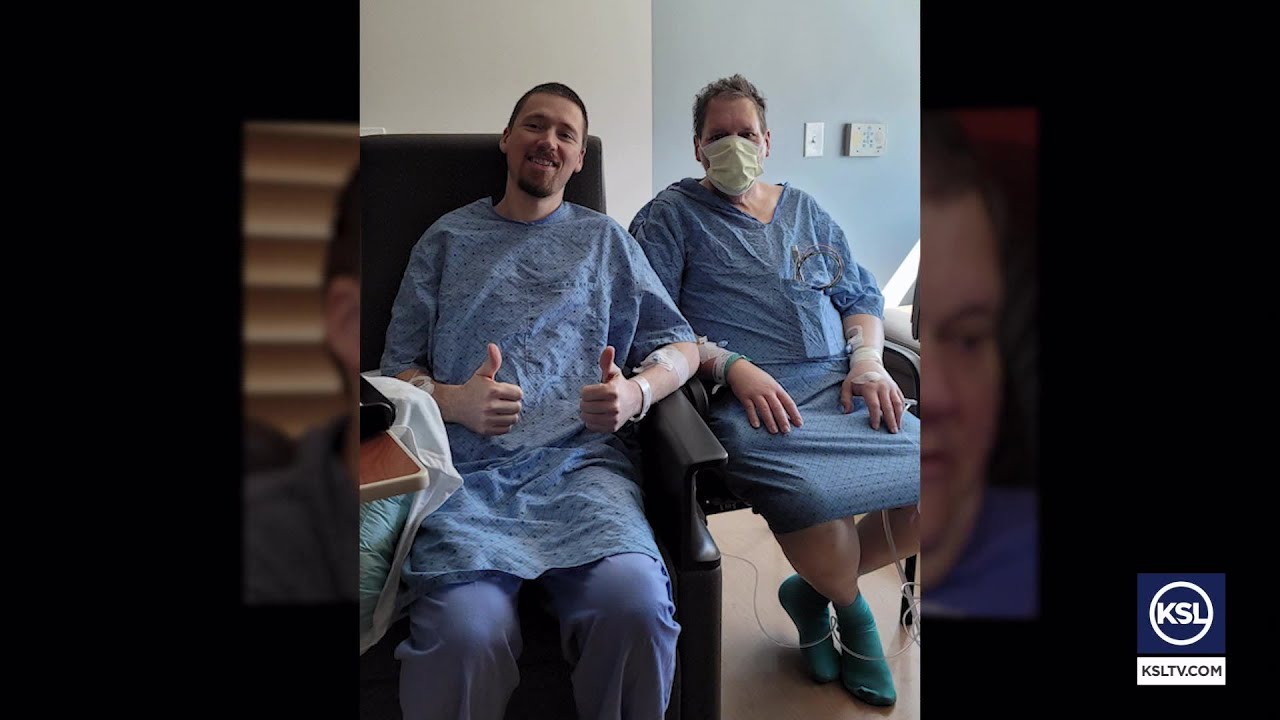
What began as an act widely described as heroic has since become a deeply complex and emotionally challenging story, raising difficult questions about family bonds, moral responsibility, and the often unseen psychological weight carried by those who choose to give a part of themselves to save another’s life.
When a son volunteered to donate part of his liver to his critically ill father, the decision was met with admiration and gratitude. Living organ donation is frequently framed as one of the most powerful expressions of love and sacrifice, particularly within families. In this case, doctors initially confirmed that the transplant surgery was successful. The father’s condition improved, and early reports suggested that the procedure had achieved its medical goal.

For the family, the days following the operation were filled with cautious optimism. Relatives and friends praised the son’s courage, describing his choice as selfless and deeply human. Online, the story resonated with many people who saw it as a testament to the strength of family ties and the lengths individuals are willing to go for those they love.
Yet weeks later, that narrative shifted. The son began experiencing serious medical complications linked to the donation. What had been understood as a calculated medical risk now became a life-altering reality. While medical teams worked to stabilize his condition, the emotional landscape surrounding the family changed dramatically.
From a sociological perspective, stories like this reveal how society often idealizes sacrifice while underestimating its cost. Living organ donors are frequently portrayed as heroes, but that framing can obscure the physical, emotional, and psychological toll that donation may carry long after surgery ends. In many cultures, particularly those that place strong emphasis on filial duty, the decision to donate may feel less like a choice and more like an obligation.
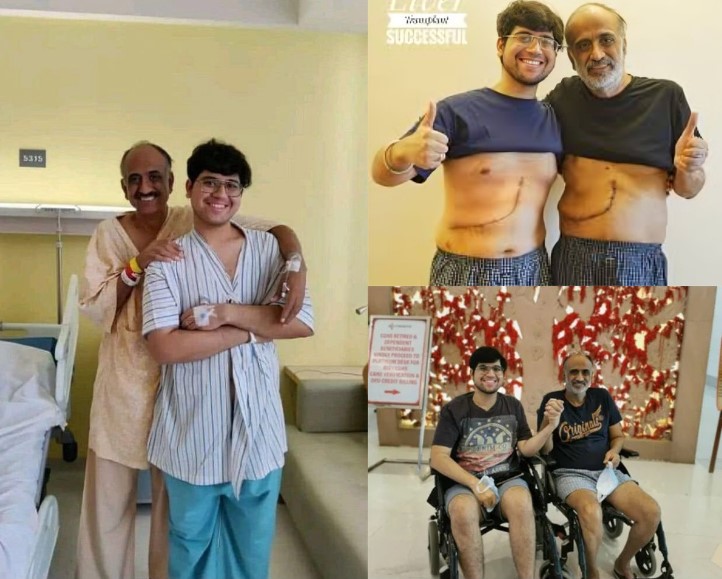
Psychologists who study family dynamics note that when a parent’s life is at stake, adult children often experience intense internal pressure. Even when doctors stress that donation must be voluntary, emotional factors can complicate consent. The fear of regret, guilt, or social judgment may influence decisions in ways that are difficult to articulate at the time.
In this case, those close to the family have described the son’s decision as deeply heartfelt. There is no indication that he was coerced or forced. Still, the psychological burden of knowing one’s body now carries permanent change can be profound. When complications arise, donors may struggle with feelings of confusion, grief, or even isolation, particularly if public attention focuses primarily on the recipient’s survival.
The father, meanwhile, faces his own emotional reality. Gratitude for receiving a life-saving gift may coexist with deep distress over his son’s suffering. Mental health experts describe this as “donor-recipient emotional conflict,” where relief and guilt become intertwined. Parents in such situations often report feelings of responsibility, even when medical professionals emphasize that complications are unpredictable and not caused by wrongdoing.
Families navigating these moments frequently find themselves in emotional limbo. The initial story of hope gives way to uncertainty, and the clear roles of “savior” and “saved” blur. Instead, everyone involved becomes vulnerable. Support networks that rallied around the family after the successful transplant must now adjust to a more complicated reality that offers no simple resolution.
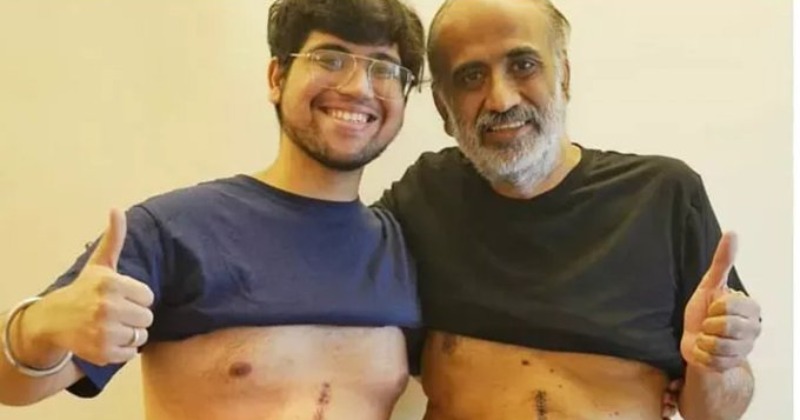
On a broader level, the story has reignited public discussion about the risks of living organ donation. While medical advances have made such procedures safer than ever, no surgery is without risk. Most donors recover fully and go on to live healthy lives, but rare complications can occur. When they do, they challenge the assumption that altruism is always rewarded with positive outcomes.
Social media responses to the case reflect this tension. Messages of admiration and support are often accompanied by expressions of shock and fear. Some commenters describe the story as a reminder that even the most loving decisions can carry unintended consequences. Others emphasize the importance of informed consent and long-term support for donors, not only medically but psychologically.
Healthcare sociologists argue that living donors occupy a unique position within medical systems. They are patients, but they are also caregivers in a sense. Their suffering may be less visible because it is not the original illness that brought the family into the hospital. When complications arise, donors may feel reluctant to express distress, fearing they will appear regretful or ungrateful.
This reluctance can intensify psychological strain. Studies show that donors who experience complications are at higher risk of anxiety and depression, particularly if they feel their pain is overshadowed by the success of the transplant itself. Comprehensive aftercare, including mental health counseling, is increasingly recognized as essential, though access varies widely.
The community’s reaction to the son’s condition highlights another social pattern: the desire for meaning in tragedy. People often seek narratives that explain suffering in moral terms, even when medical outcomes are shaped by chance. While some may view the son’s experience as a cautionary tale, others see it as a reminder of human fragility and the limits of control, even in acts driven by love.
For the family, the focus remains on hope and recovery. Loved ones have reportedly united around both father and son, offering support and comfort during an uncertain time. Their situation underscores that family solidarity does not end with a single act of sacrifice; it must continue through the aftermath, including moments when outcomes are painful and unresolved.
As societies continue to encourage organ donation, stories like this one invite a more nuanced conversation. Celebrating generosity should not mean ignoring risk, and honoring sacrifice should include acknowledging its cost. Living donors deserve not only praise but sustained care, understanding, and space to heal in all dimensions of health.
Ultimately, this story is not only about a medical procedure or its complications. It is about how love, duty, and vulnerability intersect within families, and how society interprets acts of giving when they do not unfold as hoped. It reminds us that even the most profound expressions of devotion exist within a fragile human body, and that compassion must extend to every person affected, especially when outcomes are uncertain.
In the quiet moments beyond headlines and online reactions, this family’s experience reflects a universal truth: love can motivate extraordinary acts, but it cannot guarantee certainty. What remains is the shared responsibility to respond with empathy, realism, and care for those who give more than words can fully capture.