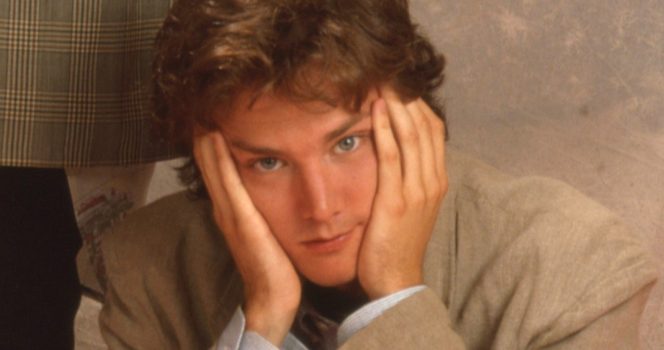
For many people who grew up in the 1980s, Andrew McCarthy’s face remains a familiar one — a symbol of teen romance, coming-of-age stories, and the distinctive tone of the decade’s films. His quiet charm and understated performances in movies like St. Elmo’s Fire, Pretty in Pink, Mannequin, and later Weekend at Bernie’s made him one of the defining young actors of his generation. But while audiences embraced him as a heartthrob, his real life was far more complex than the roles he portrayed.
Today, McCarthy is known not only as an actor, but also as a director, writer, and traveler with a perspective shaped by experience rather than fame. His path reflects the challenges of early stardom, the internal struggles he carried for years, and the stability he eventually found in adulthood. In many ways, his story is less about Hollywood success and more about personal evolution.
Early Life: Far From the Spotlight
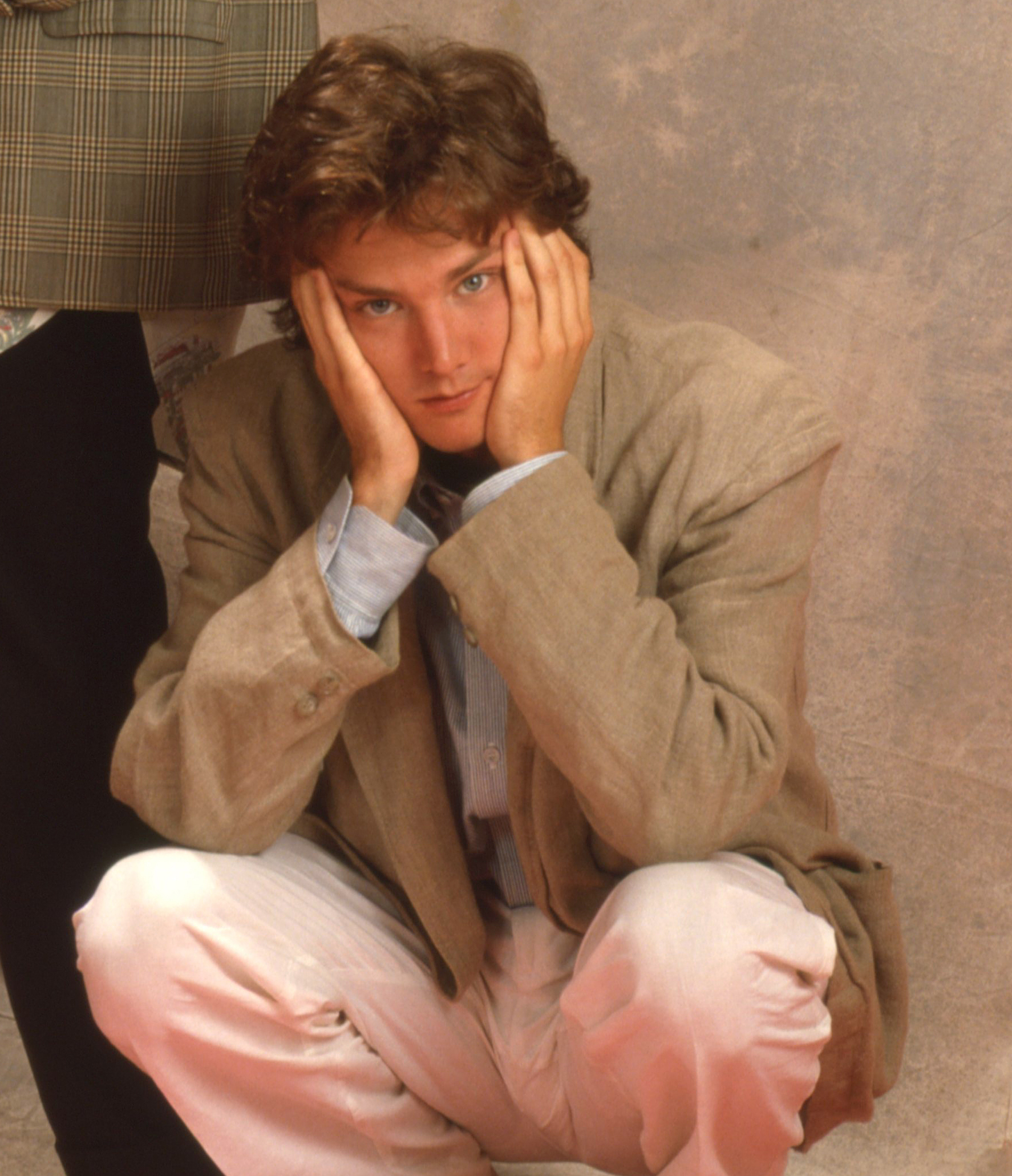
Andrew McCarthy was born in 1962 in Westfield, New Jersey, as the third of four brothers in a working-class family. His mother worked at a local newspaper, and his father worked in finance — occupations far removed from entertainment. McCarthy often spoke of feeling somewhat isolated during his school years, describing himself as someone who didn’t quite fit the social world around him. Performing became an outlet, offering structure and purpose at a time he felt uncertain about where he belonged.
After high school, he went on to study acting at New York University. But the structure of formal education didn’t suit him, and he later admitted that he rarely attended classes. Within two years, the university dismissed him, leaving him at a crossroads.
A Sudden Breakthrough
What followed was a rapid shift in circumstances. Shortly after leaving school, McCarthy answered an open audition notice for the film Class. He had no industry connections, no formal training beyond his brief time in college, and no expectations. Yet the audition changed everything. His casting in Class introduced him to the film industry at a level completely different from anything he had imagined.
From there, opportunities came quickly. By the mid-1980s, he appeared in St. Elmo’s Fire, one of the decade’s most talked-about ensemble films. Critics were divided on the movie, but audiences embraced it. McCarthy and his co-stars were soon identified as part of a group the media labeled “the Brat Pack” — a title meant to reflect a generation of young performers who were suddenly dominating teen cinema.
The label followed him for years. While it boosted his visibility, it also created challenges. McCarthy felt it overshadowed his work and placed him in a category he never fully identified with. Still, his performances resonated with audiences, especially his portrayal of sensitive, introspective characters.
The release of Pretty in Pink in 1986 cemented his status as a leading figure of teen cinema. Working alongside Molly Ringwald, he brought a quiet sincerity to the screen, becoming an unforgettable part of the film’s cultural legacy.
The Pressure Behind the Persona
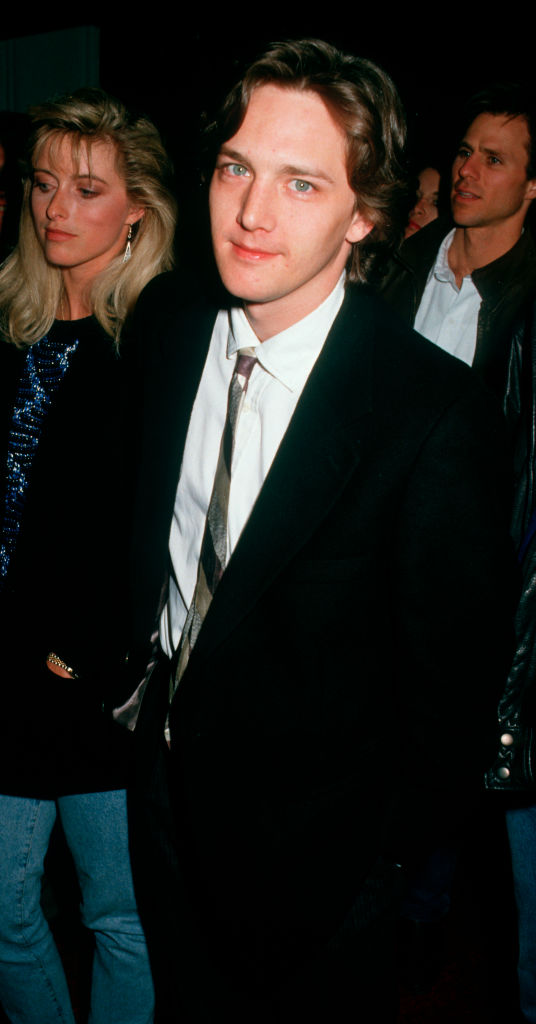
Publicly, McCarthy appeared to be navigating early fame with ease. Privately, he was struggling with issues he didn’t yet fully understand. In later interviews, he acknowledged turning increasingly to alcohol in his 20s, describing how it became intertwined with the pressures of sudden visibility.
Many assumed that the calm, gentle demeanor he brought to his roles reflected his personal stability. Instead, he later explained that he often felt overwhelmed, uncertain, and uncomfortable with attention. Alcohol gave him a temporary sense of confidence at a time when he lacked it internally.
McCarthy emphasized that his struggles were not unique in Hollywood, especially among young performers. Sudden stardom could magnify insecurities, and the industry provided few tools to navigate those pressures. For someone naturally introverted, the spotlight could be even more difficult to manage.
A Turning Point
By the late 1980s, McCarthy recognized that his relationship with alcohol was affecting his life and career. While preparing for the 1989 comedy Weekend at Bernie’s, he decided to make a dramatic change. He chose to stop drinking entirely before filming began — a decision that required distance from the social environments he once relied on.
The transition was not easy. He described the early period of sobriety as one that demanded self-discipline and isolation. But his commitment to change was strong, and he gradually learned to rebuild his daily life without substances. Years later, he was open about the challenges he faced, acknowledging that recovery was a long process rather than a single choice.
His decision marked a significant shift that shaped the decades that followed, both personally and professionally.
Transformation and Growth

As McCarthy entered the 1990s, he continued acting but gradually began exploring other avenues. After addressing his personal challenges, he developed a new relationship with creativity and the world around him. His once-boyish appearance evolved into a more grounded presence, reflecting a maturity shaped by lived experience.
This period marked the beginning of McCarthy’s interest in directing. He went on to build a substantial career behind the camera, especially in television. His directing credits include episodes of Orange Is the New Black, Gossip Girl, The Blacklist, and numerous other major series. His work earned praise for its sensitivity and attention to character dynamics — qualities visible in his acting throughout the 1980s.
But directing wasn’t his only reinvention. McCarthy developed a deep love for travel, eventually becoming an award-winning travel writer. He contributed long-form pieces to magazines such as National Geographic Traveler and Men’s Journal. In 2010, he was named Travel Journalist of the Year.
To him, acting and writing were different expressions of the same impulse: storytelling.
Family Life and Personal Stability

In 1999, nearly two decades after they first dated, McCarthy reconnected with his college friend Carol Schneider. They married later that year and welcomed a son, Sam, in 2002. Their marriage ultimately ended in 2005, but Sam went on to follow his father into acting.
In 2011, McCarthy married Irish writer and director Dolores Rice. Together, they have two children, Willow and Rowan. The family lives a relatively low-profile life in New York City. McCarthy often speaks about the grounding role that fatherhood plays in his life, describing it as a source of meaning and balance.
A Legacy Beyond Nostalgia
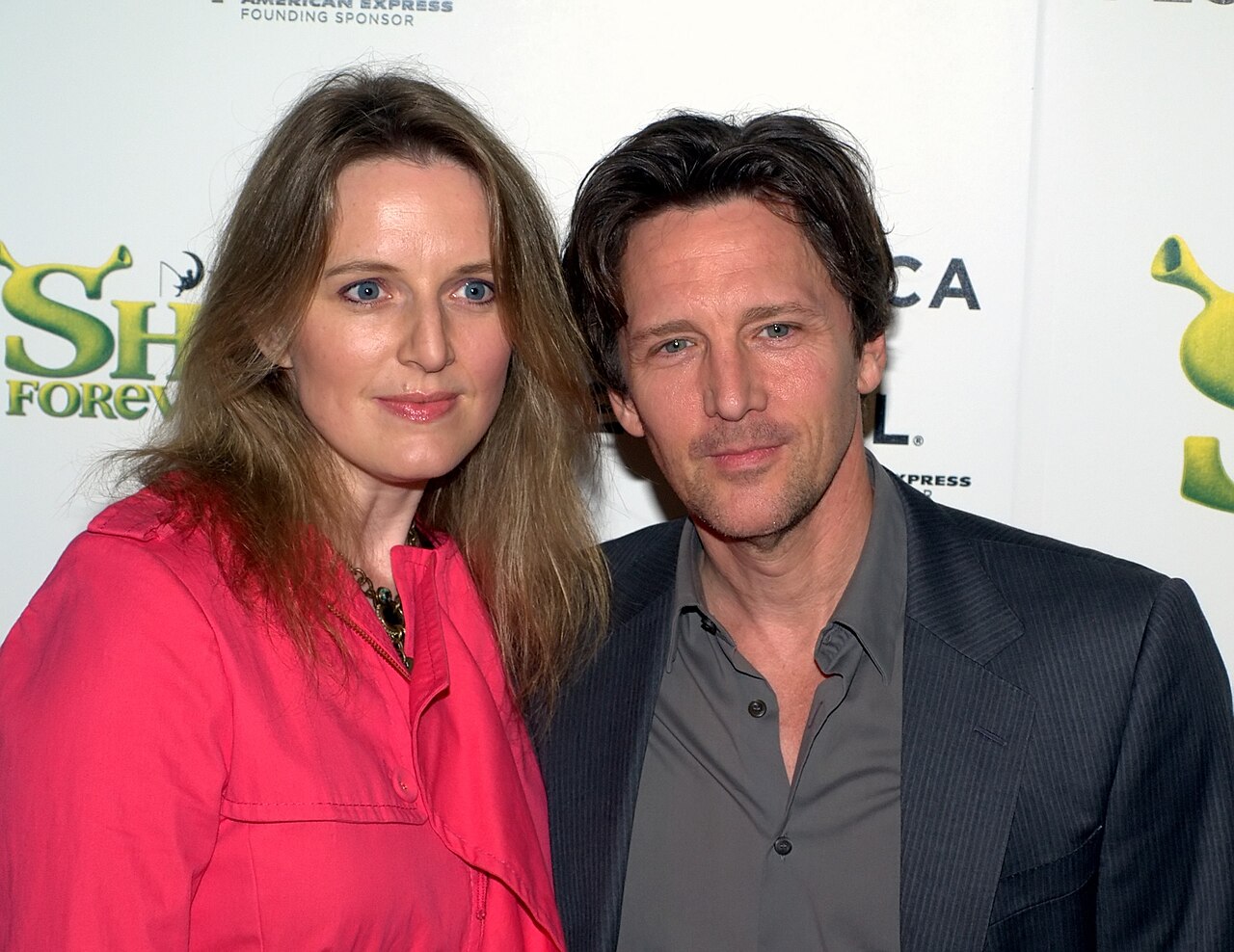
Although McCarthy remains closely associated with the films that defined his early career, he views them with a sense of distance. The nostalgia his fans feel is something he respects, but he acknowledges that the emotional connection belongs to the audience more than to him.
For many viewers, the characters he portrayed represented formative experiences — their teen years, their early romances, or the cultural landscape of the 1980s. For McCarthy, the meaning of those films has changed over time, shaped by decades of personal and artistic growth.
His career today spans acting, directing, and writing, reflecting a lifelong commitment to creative expression. He remains active in the industry while maintaining a life far removed from the excesses often associated with Hollywood.
A Story of Reinvention
Nearly forty years after his breakout, Andrew McCarthy’s story is less about fame and more about resilience. His journey illustrates how early success can coexist with deep personal challenges, and how reinvention is possible at any stage. From a young actor navigating sudden attention to a director, writer, and parent living a grounded life, McCarthy modeled a form of success defined not by glamour but by self-awareness and growth.
His legacy continues to evolve — not as a figure frozen in time, but as an artist who adapted, matured, and ultimately found stability after the turbulence of early stardom.