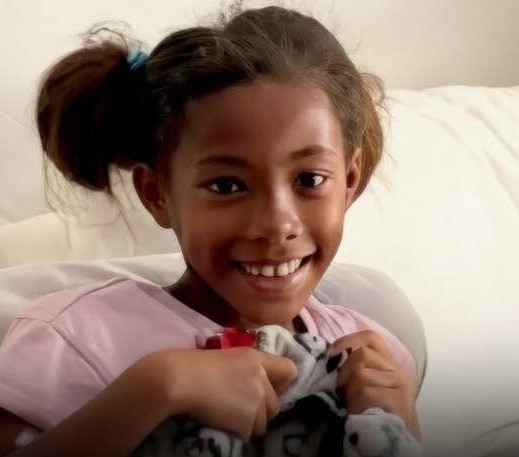
For months, the disappearance of 10-year-old Gabrielle Patricia Terrelonge remained hidden behind everyday routines, shifting addresses, and quiet movements across Florida’s cities. Her absence did not generate headlines. No Amber Alert was issued. No school official filed a concern. What should have triggered immediate alarms somehow slipped through unnoticed.
That silence—long, unusual, and deeply unsettling—finally fractured when investigators uncovered a discrepancy in her mother’s arrest records. A single missing detail unraveled an entire timeline and forced law enforcement across multiple jurisdictions to confront a difficult reality: a child may have vanished months earlier without anyone realizing it.

What began as a routine arrest in October spiraled into a multi-city search stretching from Orlando to Port St. Lucie, Margate, and smaller surrounding communities. The case now draws concern from child-safety advocates, detectives, and families who fear that Gabrielle’s disappearance reveals larger systemic failures in tracking vulnerable children who move frequently or lack stable housing.
The urgency grows with each passing day, especially given the length of time since her last confirmed sighting.
A Final Verified Moment: Stepping off a Bus in June
According to a federal bulletin, the last verified sighting of Gabrielle occurred on June 30, 2025. Surveillance footage captured her stepping off a Greyhound bus with her mother, Passha Davis, at the Florida Mall station in Orlando. The girl held a small backpack and clutched her mother’s hand, appearing calm and unaware that the moment would later become the cornerstone of an extensive missing-child investigation.
Gabrielle is described as having black hair, brown eyes, and a height of approximately 4 feet 8 inches. Relatives say she is gentle, imaginative, and loved to draw pictures of animals and princesses — creative habits that once filled her notebooks and school folders.
But investigators suspect that the months preceding her disappearance may have involved frequent relocations, nights in motels, periods of homelessness, and time spent moving between temporary shelters. Children living in these circumstances often leave minimal documentation behind, making it difficult for agencies to trace their whereabouts.
Authorities now believe that the instability Gabrielle experienced contributed significantly to how long her absence went unnoticed — a reminder of how vulnerable some children become when they fall outside predictable school or housing systems.
The Discovery That Triggered the Search

The turning point came not from law enforcement but from Gabrielle’s father, Gordon Terrelonge. While checking routine jail records online, Gordon noticed something alarming: Passha had been arrested in October in Margate, yet Gabrielle was nowhere in the documentation. She was not listed as being present, nor recorded as being in the care of another guardian.
Realizing he had not seen or heard from his daughter in months, Gordon immediately contacted authorities. Investigators began reviewing records, checking school systems, and contacting shelters — only to discover that no one had reported Gabrielle’s presence since June.
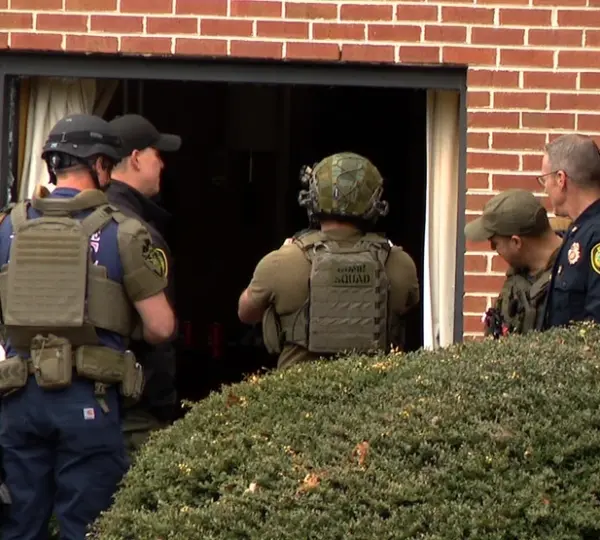
The revelation prompted an emergency response involving local police, the FBI, and child-protective agencies.
Months without sightings is considered severe in missing-child cases, particularly when the family has faced instability or homelessness. For investigators, it was a sign that the situation demanded immediate, wide-reaching attention.
A Family History Deepens the Concerns
As detectives moved through Gabrielle’s timeline, more details surfaced about the family’s circumstances. Passha had been arrested twice within a short span — first on October 17 for resisting an officer and providing false identification during an alleged petty-theft incident. Then again on November 4, this time charged with child neglect directly related to Gabrielle’s disappearance.
Court documents paint a picture of a family facing mounting pressures: long periods of housing instability, limited financial resources, strained relationships with extended family, and documented mental-health challenges. These complexities now form part of the investigative puzzle, making it more difficult to determine exactly when Gabrielle may have been separated from her mother or under what circumstances she disappeared.
What remains clear is that no recent record — legal, educational, medical, or social-service based — shows Gabrielle’s presence past the June bus arrival.
Investigators Retrace a Fragmented Trail

With few concrete leads, detectives began reconstructing the family’s movements across several Florida cities. They canvassed motels, checked with emergency shelters, interviewed staff at low-cost housing locations, and traveled along major corridors like U.S. 192 — an area known for short-term rentals and transitory populations.
Workers remembered seeing families come and go. Some recalled a mother with a young girl. Yet none could confirm that they had interacted with Gabrielle in recent months.
Surveillance recordings were reviewed frame by frame. Transportation logs were examined. Several agencies cross-referenced their case files. Still, no definitive sighting has emerged.
The search now spans hundreds of miles and involves layers of unrelated fragments, each requiring verification before investigators can determine which path might lead to Gabrielle.
A Father’s Determination

Throughout the ordeal, Gabrielle’s father has remained persistent. He has walked through hotels investigators identified as possible stops, retracing the routes his daughter might have taken. Friends describe Gordon as resilient, though clearly exhausted by the emotional toll.
He speaks of his daughter with deep affection: a child who collected shells on family beach outings, who loved reading, who wore princess dresses even on quiet afternoons, and who was known for her curiosity about animals.
Extended family members continue to appeal publicly for help. Gabrielle’s grandmother expressed her hope that someone may remember seeing the child during the summer months. “Even a small detail could matter,” she said, encouraging people to come forward.
Investigators Turn to the Public for Breakthroughs

Missing-child cases often rely on community involvement as much as police work. A single sighting, a recollection from a hotel employee, or a memory from a bus passenger can redirect an investigation that has gone cold.
Authorities urge anyone with information — even if it seems insignificant — to contact the FBI tip line or local law enforcement. These appeals now appear in multiple counties as the investigation expands further.
Detectives emphasize that community awareness is essential, especially when a child has moved between unstable housing situations.
A Community on High Alert
As word spreads, residents across Central and South Florida have begun organizing neighborhood searches, sharing social media posts, and distributing digital flyers to raise awareness.
Parents in Gabrielle’s former communities express fears that a child could disappear for months without authorities being alerted. Advocates warn that cases like Gabrielle’s highlight gaps in social-service tracking, particularly for children who move frequently or lack consistent access to school and healthcare.
For now, community members hold onto hope — hope that visibility will generate leads, that someone will recognize Gabrielle’s photo, and that the girl described as joyful and imaginative will be found safe.
The Search Continues
Investigators maintain that Gabrielle’s case remains active and urgent. As more people learn about her disappearance, the network of potential witnesses grows wider.
The circumstances surrounding her last confirmed sighting raise difficult questions about how vulnerable children can be overlooked when they fall outside familiar systems. The case also underscores the importance of shared responsibility among communities, families, and social institutions.
While many details remain uncertain, the priority remains the same: finding Gabrielle, understanding what happened after June 30, and ensuring she receives the protection she was denied for too long.
For now, the search carries on — driven by investigators, sustained by public involvement, and anchored by a family still waiting for answers.