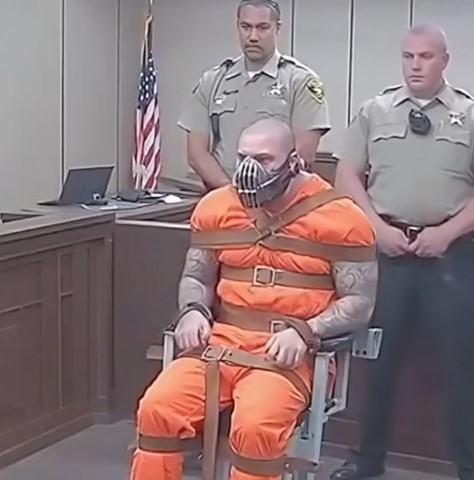
Courtrooms are supposed to be the last place where chaos thrives. They symbolize structure, control, and rational decision-making. Judges preside with authority, lawyers argue with precision, and proceedings unfold with ritualistic calm. At least, that’s how it works in the real world.
But fiction plays by different rules.
Long before social media turned outrageous moments into memes, small communities of readers and viewers whispered about certain fictional courtroom scenes—moments so absurd, so unexpectedly unhinged, that audiences assumed they had to be inspired by untold real-life stories. Over the years, clips resurfaced, quotes circulated, and debates continued: Were writers exaggerating for laughs? Or were they slyly referencing courtroom incidents no one ever dared put on record?
Regardless of the origin, one truth stands firm: fictional courtroom meltdowns are often far stranger, more unpredictable, and more entertaining than anything likely to unfold in an actual courtroom.
This article explores some of the most memorable fictional courtroom breakdowns—scenes where characters had to be physically stopped—not to glorify disorder, but to understand why audiences find these moments so irresistible.
Why Courtrooms Make Perfect Settings for Fictional Chaos
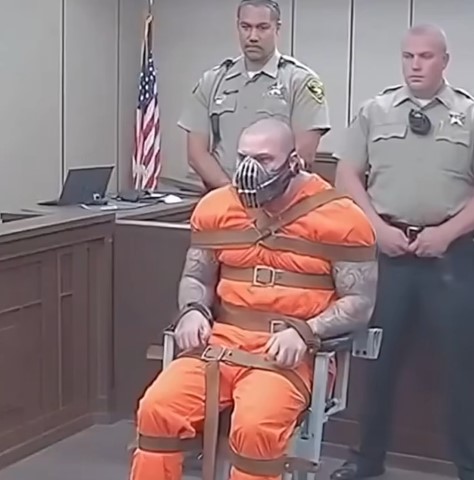
Courtrooms represent order. Fiction thrives on disorder. Put the two together, and you spark a genre of comedy and drama that practically writes itself.
When a character acts outlandishly in a space where self-control is expected, the contrast becomes instantly funny, unsettling, or emotionally revealing. For writers:
-
Comedy erupts when rules collapse.
-
Drama intensifies when characters lose composure under pressure.
-
Character development accelerates because extreme reactions expose deeper fears or flaws.
-
Social commentary emerges when fictional chaos reflects societal anxieties about justice systems or authority.
Below are seven iconic fictional courtroom breakdowns—rewritten, expanded, and analyzed to show why these moments continue to captivate audiences.
1. The Defendant Who Thought Touching the Judge Would Guarantee Victory
In one comedic sketch, a confused defendant confidently proclaims a theory that would horrify every legal expert alive:
“If I touch the judge, I win the case!”
Before anyone can respond, he takes off sprinting—hands extended like a tackle in slow motion. Security leaps into action, intercepting him just inches away from the bench.
As the character is dragged back, he mutters, defeated:
“I almost made it.”
The humor doesn’t come from defiance, but from pure misunderstanding.
It’s a parody of courtroom myths, a reminder of how absurd “folk legal logic” can become when taken literally.
2. The Hyperactive Defendant Who Kept Shoving the Defense Table
Another fictional courtroom features a character buzzing with frantic energy, unable to sit still. As lawyers debate, she kicks at the floor, nudges the table forward centimeter by centimeter, and declares:
“Don’t control me—I’m an athlete!”
Her constant attempts to stand, escape, or “stretch” force officers to secure her in a restraint belt. Even then, she wiggles nonstop for a full twenty minutes.
It’s slapstick chaos, but also an exaggerated reflection of how pressure can push eccentric characters to their limits.
3. The Man Who Tried to Bite a Guard… and Then the Microphone
A fictional defendant, agitated and confused, leans menacingly toward a guard. Before anyone can guess what he’ll do next, he turns and attempts to bite the courtroom microphone.
When officers restrain him, he protests:
“They said speak into the mic! I’m doing my best!”
The humor lies in the literal interpretation of instructions—an age-old comedic device that works brilliantly in formal settings like a courtroom.
4. The Character Who Headbutted the Plexiglass Divider
In another fictional scene, a furious character decides the plexiglass barrier is somehow responsible for his frustration. He slams his forehead into it—dramatically, repeatedly, and with operatic intensity.
He’s placed in wrist and ankle restraints, but continues doing “air headbutts,” producing a bizarre performance somewhere between interpretive dance and theatrical meltdown.
The judge’s baffled expression sells the comedy: even in fiction, the justice system can’t prepare for everything.
5. The Woman Who Tried to Tip the Witness Stand
In one story, a frustrated character—fed up with questioning and losing patience—tries to physically tip the witness stand, yelling:
“I’m not done yet! That was just my warm-up!”
Security intervenes immediately, preventing disaster. The scene becomes iconic not because of violence, but because it parodies dramatic courtroom confrontations often seen in film noir or legal thrillers.
It’s exaggerated conflict, designed for entertainment—not realism.
6. The Character Who Crawled on the Floor Like a Ninja
Bad news hits. Tension builds. A character suddenly collapses to the carpet and begins crawling forward, whispering:
“You can’t stop me—I’m in snake mode.”
Court officers gently retrieve him, returning him to his seat. The moment is comedy gold because it shatters courtroom decorum with a move more suited to a slapstick spy parody.
7. The Man Who Tried to Throw His Own Chair
In one chaotic fictional verdict scene, a restrained character tries to lift his chair—while still strapped into it—and toss it in protest.
Instead, he tips sideways and lands on the floor, arms flailing like an overturned turtle.
He shouts:
“This isn’t over!”
But the struggle is so unthreatening and absurd that the audience can’t help laughing.
Why We Love These Unreal Courtroom Meltdowns
Even when the scenes are silly or exaggerated, they reveal something deeper about storytelling.
1. Comedy through Contrast
A courtroom is a symbol of control. Anything that breaks that control becomes instantly funny.
2. Pressure Creates Explosive Fictional Reactions
High stakes produce heightened emotions. Meltdowns, though unrealistic, reflect internal struggles exaggerated for effect.
3. Character Vulnerability
Extreme behavior shows panic, fear, immaturity, or eccentricity—elements that help viewers understand a character quickly.
4. Safe Exploration of Chaos
People enjoy watching fictional disasters precisely because they’re fictional. No one is hurt, no real justice is compromised, and comedy arises instead.
5. A Reminder of Why Real Courtrooms Need Order
Fictional chaos highlights how important neutrality, clarity, and discipline are in real legal systems.
The Real Heroes: Calm Court Officers in Fiction
Fiction often portrays bailiffs and court officers as the last line of sanity in a swirling sea of absurdity. They remain:
-
calm
-
patient
-
unfazed
-
quietly heroic
Their steadiness amplifies the chaos around them. Without these grounded figures, the comedy wouldn’t land as effectively.
Conclusion: Fiction Loves Chaos So We Don’t Have To
These fictional courtroom meltdowns aren’t reflections of real court behavior—they’re storytelling tools. They give us permission to laugh at disorder, explore emotional extremes, and enjoy absurdity from a safe distance.
Real courtrooms rely on respect, procedure, and structure.
Fictional ones remind us why those qualities matter.
And that’s why these wild, unhinged moments—characters sprinting toward judges, crawling in “snake mode,” attempting to bite microphones, or tipping furniture—continue to entertain audiences: they’re chaotic, hilarious, and completely harmless exaggerations of human behavior under pressure.
If anything, they remind us that in storytelling, as in life, sometimes the most unreasonable reactions reveal the most about who we are.